How to Clean Live Plants Before Adding to Your Aquarium
Healthy aquarium plants start with clean, pest-free specimens. Cleaning live plants before introducing them to a tank reduces the risk of algae blooms, hitchhiking pests, and unwanted debris. This practical guide walks through the best methods for U.S. hobbyists, using common tools and safe techniques to protect delicate leaves and ensure a smooth transition into the aquarium environment.
Whether you’re building a new planted tank or refreshing an established one, a careful pre-wash protocol helps plants acclimate quickly and thrive. The steps below emphasize safety, efficiency, and keeping aquatic ecosystems balanced from day one.
Quick Answer
Short version: Rinse plants under running water, use gentle manual removal for debris, soak in a plastic plant soaking tub with a mild, plant-safe solution, then rinse again before planting. For delicate leaves, handle with soft tools and tweezers to prevent tearing. Always inspect for pests and quarantine any new additions before full integration.
What You’ll Need
Before you begin, assemble the essential tools. The following items are recommended for a safe, effective pre-clean:
- Soft nylon bristle aquarium plant cleaning brush for gentle scrubbing without tearing leaves
- Stainless steel aquarium plant tweezers for delicate leaves to maneuver and trim with precision
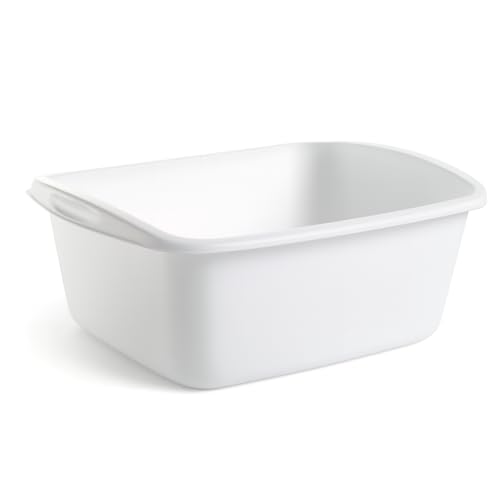
- Plastic plant soaking tub aquarium pre-wash to soak and rinse in a controlled, contained environment


Before You Start
Preparation reduces risks during the cleaning process. Set up a clean workspace with a sink or basin at comfortable height. If possible, dedicate a container for plant soaking to avoid cross-contamination with other aquarium items. Plan for a total pre-wash time of about 20–40 minutes per batch, depending on plant size and leaf density. Always wash hands and wear clean gloves to minimize oil or residue transfer.
Safety notes include keeping electrical devices away from water, using room-temperature water, and avoiding harsh chemicals. Do not use household cleaners that may leave residues harmful to fish or invertebrates. If a plant shows signs of disease, detach affected parts and consider quarantining the plant before full integration.
Step-By-Step: How To Clean Live Plants Before Adding To An Aquarium
- Inspect the plant for visible pests, eggs, or damaged leaves. Gently separate any crowded fronds to improve access for cleaning.
- Rinse under cool, running water to remove surface debris. Let the water flow over the entire plant, turning it to expose undersides.
- Use the soft nylon bristle aquarium plant cleaning brush to remove stubborn grime. Brush in the direction of the leaf veins, avoiding aggressive scrubbing that could tear tissue.
- For thicker stems or densely packed areas, use stainless steel aquarium plant tweezers for delicate leaves to lift and loosen dirt without pinching.
- Prepare the plastic plant soaking tub aquarium pre-wash with a small amount of plant-safe pre-wash solution or plain water, depending on your standard protocol. Submerge the plants briefly to loosen embedded debris.
- Allow a short soak of 5–10 minutes, then drain the tub and rinse the plants again under cool water to wash away any loosened particles.
- Inspect for pests after the initial rinse. Remove any leaves showing heavy damage or signs of disease. Trim edges with the tweezers if necessary.
- Give a final rinse under running water. Shake off excess moisture carefully and lay the plants on a clean towel to dry slightly before planting.
- Condition for acclimation by placing the cleaned plants in a separate quarantine container or a small aquarium until introducing them to the main tank reduces shock to existing inhabitants.
- When ready, plant the cleaned specimens into the aquarium substrate, ensuring roots or rhizomes are adequately covered and lightly pressed into place.
- Monitor the tank over the next several days for any signs of stress or pests returning, and be prepared to adjust lighting or nutrient levels accordingly.
Troubleshooting
| Symptom | Likely Cause | Fix | Prevention |
|---|---|---|---|
| Leaves tearing during cleaning | Rough handling or aggressive scrubbing | Use gentle strokes with the brush; avoid forceful pinching | Trim damaged areas and handle with tweezers |
| Residual debris after rinse | Embedded dirt in thick leaf tissue | Increase soak time slightly; re-brush with soft brush | Choose plants with smoother leaf surfaces when possible |
| Pests observed after planting | Pests survived the wash | Quarantine and rewash the plant; consider treating with a plant-safe disinfectant | Quarantine all new plants before adding to display tank |
| Discoloration of leaves | Exposure to improper temperature or chemical residue | Rinse thoroughly; ensure water is room temperature | Use only plant-safe products and limit chemical use |
Common Mistakes
- Not inspecting for pests before introduction
- Using strong household cleaners that leave harmful residues
- Over-soaking, which can cause root rot in some plant species
- Handling delicate leaves with bare fingers or coarse tools
- Skipping quarantine, risking existing tank health
To avoid these pitfalls, follow a consistent cleaning routine and keep a dedicated workspace for plant prep. Consistency helps new plants integrate smoothly with minimal disruption to tank balance.
Tips For Best Results
- Pre-wash smaller batches to maintain thorough cleaning without fatigue
- Label plant batches by species to track care needs and growth patterns
- Use room-temperature water to prevent shocking plant tissues
- Pair cleaning with a quick inspection for pests and disease indicators
- Keep tweezers sterilized between plants to reduce cross-contamination
Call A Professional
When should professional help be called? If pests are extensive, if you notice widespread disease, or if you are unsure how to treat unusual infections without risking your tank inhabitants, contact a qualified aquatic plant specialist or your local aquarium store for guidance. Sudden, unexplained plant death or persistent algae outbreaks may warrant expert assessment.
FAQ
Is it necessary to quarantine new aquatic plants?
Yes. Quarantine minimizes the risk of introducing pests or disease to an established tank and allows for a controlled cleaning and treatment routine.
Can I use household soap to wash live plants?
Avoid household soaps and cleaners; use plant-safe solutions or plain water to prevent harmful residues.
How long should I soak plants before planting?
Typically 5–10 minutes, depending on debris and leaf density. Do not over-soak, which can weaken roots.
What if some leaves look damaged after cleaning?
Trim damaged leaves with stainless steel tweezers and monitor plant recovery after planting.
Buying Guide
Choosing clean, healthy plants starts with understanding size, growth rate, and compatibility with the aquarium’s goals. Consider these factors:
- Size and growth: Select plants that fit your tank dimensions and desired landscaping. Fast-growing species may require more maintenance.
- Leaf texture: Delicate leaves require gentler handling and specialized tools; consider plant types that suit your cleaning routine.
- Noise and energy: Cleaning tools are low-noise, but the overall process should minimize stress on tank inhabitants. Choose simple, reliable equipment.
- Controls and workflow: A dedicated plant care station with a plastic soaking tub helps organize pre-wash steps and reduces cross-contamination.
- Placement: Plan where the plant will be added in the tank to ensure light exposure and substrate compatibility.
Multiple perspectives matter: evaluate plant origin, acclimation needs, and compatibility with your filtration and lighting. A consistent pre-wash routine saves time and improves plant health in the long term. Curious about specific plant species that work well for beginners? Consult local stores or reputable online guides to tailor your selection to your aquarium setup.
Leave a Reply