How to Get Rid of Closet Smell on Clothes
Smelly closets can transfer odors to fabrics, leaving clothes with musty or sour scents. This guide provides practical, step by step methods to refresh garments and maintain a fresh closet environment using common odor control tools.
Quick Answer
Start with removing damp items and boosting air flow. Use a fragrance free enzymatic odor eliminator on fabrics, add a closet dehumidifier with silica gel moisture absorber, and place an activated charcoal odor absorber for closet clothes to trap smells. Regular airing, simple washing, and proactive moisture control keep odors from returning.
What You’ll Need
- Activated charcoal odor absorber for closet clothes
- Closet dehumidifier with silica gel moisture absorber for clothes
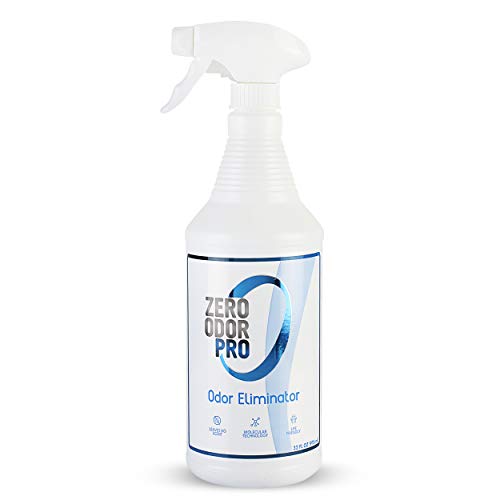
- Enzymatic odor eliminator spray for musty closet clothes

![FURWEY 100g [ 6 Packs] Rechargeable Desiccant Packs for Storage, Color Indicating Silica Gel Desiccant Packets, Moisture absorbers for storage, Dehumidifier bag for Closets](https://m.media-amazon.com/images/I/51+FVaudz3L._SL500_.jpg)
Before You Start
Clear the closet space and remove all items. Check for signs of moisture such as damp shelves or clothing dampness. Ventilate the area for several hours before treating fabrics. Test any spray on a hidden fabric swatch first to avoid staining. Time estimates vary from 1 hour for quick refresh to overnight for deeper odor removal.
Step-By-Step: How To Get Rid Of Closet Smell On Clothes
- Sort clothes by fabric type and odor level to tailor treatment.
- Wash heavily odored items with a specialized detergent or pre soak if fabric care allows.
- Air out the closet by opening doors and adding gentle airflow with a fan if possible.
- Apply enzymatic odor eliminator spray to musty garments following product directions.
- Place activated charcoal odor absorber for closet clothes at strategic spots on shelves or corners.
- Set up a closet dehumidifier with silica gel moisture absorber for clothes to reduce humidity.
- Replace or refresh moisture absorbers as needed to maintain low humidity levels.
- Wipe down shelves with a mild, fragrance free cleaner to remove residual odor sources.
- Reorganize clothing so there is ample air circulation around each item.
- Periodically reapply enzymatic spray and recheck humidity levels to prevent regrowth of odors.
- Do a routine weekly check during humid seasons to keep odors at bay.
- For persistent odors, repeat steps with extended airing time and consider additional odor absorbing sachets.
Troubleshooting
| Symptom | Likely Cause | Fix | Prevention |
|---|---|---|---|
| Musty smell returns after a few days | Humidity spikes or hidden moisture | Increase dehumidifier use and recheck for damp spots | Keep closet dry and ventilated |
| Odor fades but clothing feels damp | Overly moist air or surface dampness | Improve airflow, use silica gel absorbers | Avoid overloading closet with wet items |
| Staining after spray application | Fabric sensitivity or direct application | Test on a small area first and follow label directions | Use light mist on breathable fabrics |
| No improvement after treatment | Odor trapped in fibers or hidden moisture | Consider professional cleaning for fabrics and deeper moisture check | Regular maintenance schedule |
Common Mistakes
- Overlooking hidden moisture sources such as walls or baseboards
- Using too much spray or saturating fabrics
- Neglecting regular airflow and dehumidification during humid months
- Ignoring the need to wash or air difficult fabrics thoroughly
Tips For Best Results
- Place dehumidification devices away from direct sunlight for best moisture control
- Rotate clothes during airing to maximize exposure to fresh air
- Combine odor absorbers with routine cleaning to address both sources and scents
- Store seasonal clothing in breathable containers to reduce odor buildup
Call A Professional
Consider a pro if odor persists after repeated treatments, if there are persistent moisture signs, or if mold growth is suspected. Seek help for structural moisture assessment, water damage remediation, or professional fabric cleaning options.
FAQ
What causes closet smells to cling to clothes
Common causes include humidity, poor air circulation, mildew, and stored items remaining damp from washing or spills.
Can I use essential oils to refresh closet odor
While they can provide a temporary scent, essential oils do not eliminate the source of odor and should be used cautiously to avoid staining.
How often should I run a closet dehumidifier
During humid seasons, run it continuously or as needed to maintain low humidity, checking moisture levels regularly.
Are enzymatic sprays safe on all fabrics
Most are suitable for common fabrics, but always check care labels and test on a small area first.
Should I wash clothes before applying odor absorbers
Washing is recommended for heavily odored items; use odor eliminators on items that cannot be washed or as a follow up.
Is activated charcoal safe around kids and pets
Most activated charcoal products are safe when used as directed; ensure they are placed out of reach and do not irritate skin or lungs.
Buying Guide
Choosing the right approach to eliminate closet odors involves understanding size, noise, energy use, controls, and placement. Here are key factors to consider when evaluating products and solutions.
Size and Capacity
Look for a closet dehumidifier and moisture absorbers that fit your closet dimensions. Smaller spaces benefit from compact dehumidifiers, while larger walk in closets may require higher capacity models.
Noise Level
Some dehumidifiers operate quietly, which helps in bedrooms or shared spaces. Check decibel ratings and customer reviews to avoid disruptive units.
Energy Efficiency
Energy efficient models save running costs over time. Compare Energy Star ratings and operating modes to balance performance with consumption.
Controls and Features
Consider user friendly controls, adjustable humidity set points, and indicators for full humidity or full moisture absorbers. Enzymatic spray compatibility and refill options are also important.
Placement and Accessibility
Place absorbers and dehumidifiers where air flows freely around clothes. Avoid obstructing shelves or placing devices on damp surfaces.
Maintenance and Replacement
Check for easy to replace silica gel packs, refill schedules for enzymatic sprays, and availability of replacement charcoal absorbers. Long term upkeep matters for ongoing odor control.
Cost and Availability
Balance upfront costs with ongoing replacement needs. Look for bundles that include moisture absorbers and odor eliminators for a cohesive approach.
Compatibility With Fabrics
Some fabrics respond better to odor elimination sprays than others. Always read care labels and patch test before broad use.
User Experience
Read reviews focused on odor removal effectiveness, ease of use, and long term results to choose reliable products and methods.
Leave a Reply