How to Clean Up Fiberglass From a Mattress
Fiberglass particles can become airborne during cleanup, posing a risk to skin, eyes, and lungs. Proper disposal and protective gear are essential to minimize exposure and prevent damage to bedding and surrounding surfaces. This guide provides practical steps to safely remove fiberglass from a mattress using common tools and safer disposal methods.
By following a careful process, homeowners can reduce the mess and avoid unnecessary irritation. The focus is on effective containment, protective equipment, and systematic cleaning to restore a clean sleeping area without spreading dust through the room.
Quick Answer
Seal off the area, don a P100 respirator fiberglass dust mask and protective clothing, and use a HEPA vacuum cleaner for fiberglass dust to gently remove fibers. Do not rub the fabric; wipe with damp cloths or tape, then bag and dispose of fiberglass-infused materials according to local guidelines. Replace contaminated textiles and launder remaining linens separately.
What You’ll Need
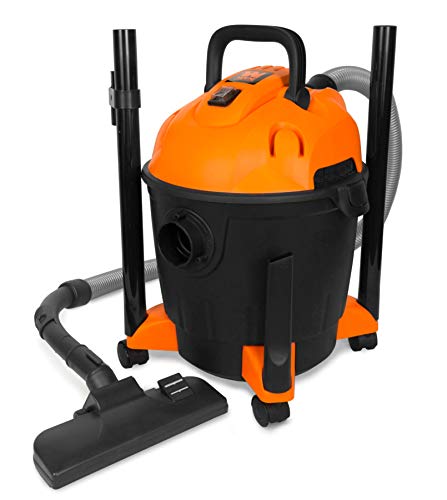
- HEPA vacuum cleaner for fiberglass dust
- P100 respirator fiberglass dust mask
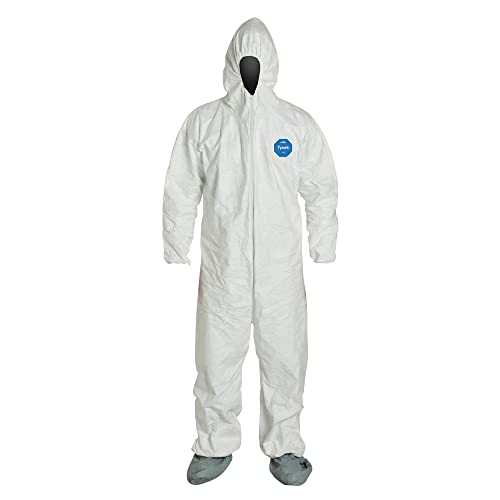
- Tyvek disposable coveralls fiberglass dust cleanup
- Disposable gloves and eye protection
- Soft, damp microfiber cloths
- Silica-free disposable adhesive tape or lint rollers
[idr]

Before You Start
Before you begin, clear the area and isolate the mattress to prevent dust spread. Ventilate the room if possible, but avoid forcing air under the mattress with a fan. Prepare a waste bag and a separate container for used cleaning cloths. Keep children and pets away from the work zone.
Fiberglass irritation can occur on skin and in eyes; wear protective gear at all times. Test any cleaning method on a small, inconspicuous area of the mattress first to ensure no additional damage. Time for the job may vary, but budget about 30 minutes to an hour for careful cleanup.
Step-By-Step: How To Clean Fiberglass From A Mattress
- Put on the P100 respirator fiberglass dust mask, Tyvek coveralls, gloves, and eye protection before touching the mattress.
- Gently lift and separate any torn fabric areas to access loose fibers without grinding them into the surface.
- Use a HEPA vacuum cleaner for fiberglass dust to carefully vacuum along the seams and edges, moving in one direction to avoid redistributing dust.
- Wipe the mattress surface with a damp microfiber cloth, starting from the top and working downward. Use a dry cloth only if a damp wipe leaves fibers behind, then switch to a fresh area.
- Apply light upholstery tape or a lint roller to lift stubborn fibers from the fabric without pressing them deeper into the material.
- Bag any fabric fragments and used cleaning cloths in a sealed disposal bag. Do not shake the bag to minimize dust release.
- Inspect the area for remaining visible fibers and repeat vacuuming and wiping as needed.
- Disassemble and launder any reusable covers that touched fiberglass separately if the manufacturer permits washing instructions. Use a hot water cycle if safe for the fabric.
- After cleanup, seal the waste bag and dispose of it according to local guidelines. Clean and store protective gear for future use.
- Return the mattress components and textiles to their original place once the area is completely dry and free of loose fibers.
- If you notice persistent irritation or unseen fibers, consider repeating the procedure or seeking professional help.
Troubleshooting
| Symptom | Likely Cause | Fix | Prevention |
|---|---|---|---|
| Fiberglass appears on hands after cleanup | Pores or gaps in protective gear | Check fit of respirator and gloves; replace when worn | Use properly fitted PPE and avoid touching face |
| Dust continues to spread when vacuuming | Clogs or inadequate filtration | Clean or replace HEPA vacuum filter; run on low power | Vacuum slowly in multiple passes |
| Fibers on clothing come loose after washing | Contaminated textiles shed fibers | Wash separately, use lint-free settings, or dispose of single-use items | Contain cleanup clothing in a sealed bag |
| Skin itching or irritation | Exposure to fiberglass fibers | Remove PPE, wash exposed skin with soap and water, seek medical advice if persistent | Never work without protective gear |
Common Mistakes
- Rubbing fibers into the mattress instead of lifting them
- Using a vacuum without a HEPA filter or proper attachment
- Skimping on personal protective equipment
- Shaking bags or textiles to remove fibers
- Delaying cleanup, which allows fibers to settle deeper into fibers
Taking time to plan and using the right gear reduces irritation and improves results.
Tips For Best Results
- Work in a well-ventilated area and keep pets and kids away during cleanup.
- Start with intact areas before addressing torn sections to minimize dust release.
- Use a damp cloth rather than a dry one to capture fibers effectively.
- Keep a dedicated trash bag for fiberglass waste and seal it tightly before disposal.
- If the mattress has a removable cover, remove it and clean the cover separately according to its care label.
Call A Professional
Consider contacting a professional if fiberglass exposure concerns persist, if the mattress damage is extensive, or if respiratory symptoms arise despite precautionary steps. Seek immediate help if signs of severe irritation or an allergic reaction appear.
FAQ
Is fiberglass cleanup dangerous for interior air quality?
Yes, fiberglass fibers can irritate the lungs and skin if disturbed. Use a PPE-equipped approach and HEPA filtration to minimize exposure.
Can I reuse the mattress cover after cleaning?
Only if the cover is undamaged, washable per the care label, and free of loose fibers after cleaning.
What is the best tool for removing fiberglass from fabric?
A HEPA-filtered vacuum combined with damp cloths is effective for lifting fibers without pushing them deeper.
How long should I wait before sleeping on the mattress after cleanup?
Wait until the mattress and surrounding area are completely dry and free of visible fibers to avoid irritation.
Are there alternative protective measures for future use?
Consider sealed protective covers and regular maintenance to reduce fiber exposure during any future repairs.
Buying Guide
Choosing the right accessories for fiberglass cleanup depends on area size, fiber exposure risk, and maintenance preferences. Key buying factors include:
- <bSize and coverage: A larger room may require a more powerful HEPA vacuum with versatile attachments.
- <bNoise level: Look for low-noise models if cleanup occurs in sleeping or living spaces.
- <bEnergy efficiency: Energy-efficient vacuums can reduce running costs during routine maintenance.
- <bControls: Simple, intuitive controls help minimize mistakes during cleaning.
- <bPlacement: Store gear in a reachable spot and label bags for easy disposal.
When comparing options, balance performance with comfort and safety features. A compact, well-filtered setup often works best for household mattress cleanups, while larger homes may benefit from a heavier-duty system.
Leave a Reply