How to Clean Greasy Vent Hood Filters
Grease buildup in vent hood filters can reduce efficiency and attract odors. This guide provides a practical, step‑by‑step approach for American kitchens to clean greasy vent hood filters safely and effectively, using common tools and a few specialized products.
Quick Answer
Remove the filter, scrub with a dedicated brush, soak in a warm degreasing solution, rinse thoroughly, and reinstall. For stubborn buildup, repeat or let the filters soak longer; avoid hot water on delicate parts, and dry completely before reassembly.
What You’ll Need
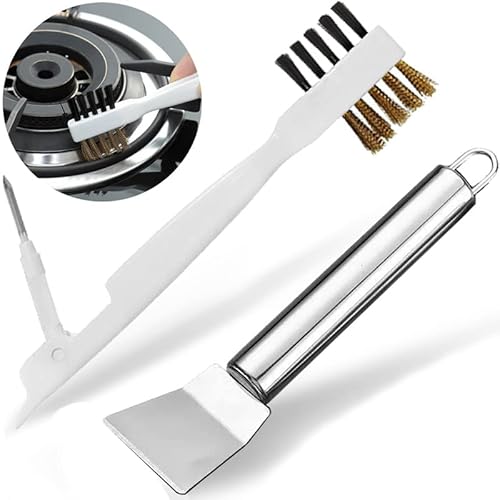
- Vent hood filter cleaning brush stainless steel
- Range hood grease filter scrub brush set
- Grease-release degreaser spray for vent hood filters
- Warm water, dish soap, and a non‑abrasive sponge
- Old towels or a drying rack
- Rubber gloves (optional)
- Bucket or large sink


Before You Start
Prepare a well‑ventilated workspace and protect countertops with towels. Remove the filter according to the range hood model’s manual. Wear gloves to minimize skin contact with grease and cleaners and avoid mixing cleaners with ammonia or bleach. Check that the filter is fully cool before handling. Allow time for soaking and air drying; plan for about 30–60 minutes total, depending on buildup.
Step-By-Step: How To Clean Greasy Vent Hood Filters
- Turn off the range hood and remove the filter according to the manufacturer’s instructions.
- Inspect the filter for any warping or damage; replace if needed.
- Rinse the filter under warm running water to loosen loose grease.
- In a container, mix warm water with a few drops of dish soap or use a grease-release degreaser spray for vent hood filters for heavy buildup.
- Submerge the filter and let it soak for 10–20 minutes to break down grease.
- Use a vent hood filter cleaning brush stainless steel or range hood grease filter scrub brush set to scrub with firm, circular motions, paying attention to corners and fins.
- Rinse thoroughly with warm water until all soap and degreaser residues are removed.
- Dry the filter completely with towels or allow it to air dry on a rack before reinstalling.
- Reinstall the filter and run the hood briefly to ensure proper airflow after cleaning.
- For heavy buildup, repeat the soaking and scrubbing steps or substitute a stronger degreaser while following label directions.
- Schedule regular cleaning—monthly or quarterly depending on cooking frequency—to prevent future buildup.
Troubleshooting
| Symptom | Likely Cause | Fix | Prevention |
|---|---|---|---|
| Grease remains after washing | Insufficient soaking or scrubbing | Soak longer; scrub with a sturdier brush | Clean weekly during heavy cooking seasons |
| Grease smells after use | Residual grease or residue in ducts | Clean filter again; inspect duct area | Use grease‑releasing degreaser regularly |
| Filter is warped or damaged | Aggressive scrubbing or old filter | Replace filter | Handle gently; replace per manufacturer guidance |
| Removable filter won’t fit after cleaning | Reinstallation alignment issue | Recheck orientation and tabs; dry thoroughly | Let dry completely before reinstall |
Common Mistakes
- Using abrasive brushes that scratch the metal or plastic components
- Using hot water on plastic or delicate filters, which can warp
- Neglecting to rinse off degreaser completely, leaving residues
- Skipping drying, which can promote mold or mildew growth
- Overtightening screws during reinstallation, risking damage
Tips For Best Results
- Choose a grease-release degreaser spray for vent hood filters with surface‑safe formulation; test on a small area first if unsure.
- For a quick clean between deep cleans, wipe the filter with warm soapy water and a brush, then rinse and dry.
- Keep a routine; placing a reminder on the calendar helps maintain cleaner hoods and better air flow.
- If the hood is fan‑intensive, consider cleaning more frequently to prevent rapid buildup.
Call A Professional
Contact a professional if there is persistent odor after cleaning, unusual noises from the hood, visible damage to filters or housing, or signs of mold growth behind the filter. Do not attempt to disassemble electrical components or ductwork beyond the filter area yourself.
FAQ
How often should vent hood filters be cleaned?
Most households benefit from a monthly wipe‑down and a deeper clean every 1–3 months, depending on cooking frequency and grease production.
Can I use dish soap alone to clean greasy filters?
Dish soap helps break down grease, but a dedicated degreaser provides stronger, faster results for heavy buildup.
Is it safe to soak metal filters in degreaser?
Yes, as long as the degreaser is labeled safe for metal and you follow the product directions and rinse thoroughly.
What if my filter is not removable?
Consult the hood’s manual for alternatives to cleaning, such as wiping the interior components or replacing the filter assembly if needed.
Are there filters that cannot be machine washed?
Some carbon or specialized filters should not be soaked or machine cleaned; follow the manufacturer’s guidance for that model.
Buying Guide
When selecting tools and products to clean greasy vent hood filters, consider several factors to ensure effective, safe maintenance.
Size and compatibility: Ensure brushes and degreasers fit your filter dimensions and hood style. Narrow channels or uniquely shaped filters may require specialized brushes.
Noise and ease of use: Look for ergonomic handles, non‑slip grips, and brushes designed for minimal splashing in a busy kitchen.
Energy efficiency and performance: Regular cleaning maintains airflow efficiency, reducing strain on the fan and improving kitchen ventilation.
Controls and ease of cleaning: Choose degreasers with simple spray bottles or foaming action for easy application and thorough coverage.
Placement and storage: Keep cleaning supplies near the range hood for quick maintenance; avoid clutter near heat sources.
For most cooks, a basic kit including a vent hood filter cleaning brush stainless steel, a range hood grease filter scrub brush set, and a grease-release degreaser spray for vent hood filters covers routine needs. This setup balances effectiveness, cost, and ease of use, helping keep the kitchen air clean and the hood performing at its best.
Leave a Reply