How to Get Rid of White Fungus on Plants
White fungus on plants can indicate powdery mildew or other fungal issues that affect growth and appearance. This guide offers practical, step-by-step methods suited for home gardens in the United States, using common tools and safe practices to restore plant health and prevent recurrence.
Effective management combines early detection, proper treatments, and prevention. With the right approach, many plants recover quickly and maintain strong, vibrant foliage through the growing season.
Quick Answer
Identify the fungus (powdery white dust on leaves is typical). Act quickly with a homemade remedy or commercial fungicide, and maintain good air circulation. Reapply as directed and monitor for new growth signs. Use dedicated sprayers to avoid cross-contamination and ensure even coverage.
What You’ll Need
- 1 gallon garden sprayer fungicide
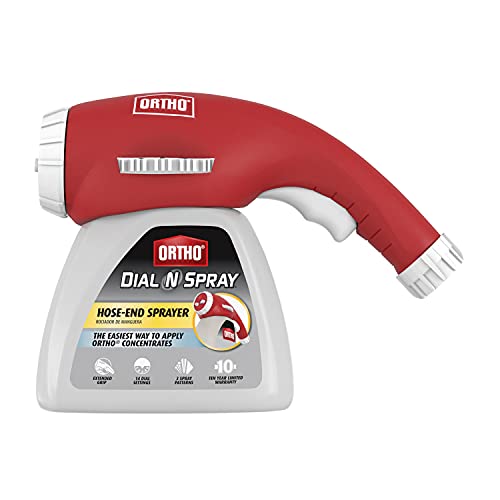
- adjustable nozzle plant spray bottle fungicide
- backpack garden sprayer fungicide for plants
- Protective gear (gloves, goggles, long sleeves)
- Water source and mixing container
- Labelled storage for leftover solution


Before You Start
Powdery mildew and related white fungal growth thrive in dry conditions with poor air circulation. Before applying any spray, inspect plants for leaves with heavy infection; prune affected areas if needed to improve airflow. Always follow label directions on fungicide products and test on a small leaf area first to prevent phytotoxicity. Plan spraying for a calm, dry day to avoid drift and ensure the product adheres properly to plant surfaces. Estimate a time window of about 30–90 minutes for preparation, spraying, and cleanup depending on the number of plants.
Step-By-Step: How To Get Rid Of White Fungus On Plants
- Identify affected species and confirm the fungus type. Powdery mildew is common on roses, cucurbits, and ornamentals, but other white growths may require different treatments.
- Prepare the treatment solution according to product labels. If using a generic approach, mix a mild solution (for example, a soap-based or baking-soda helper solution) or combine with a registered fungicide recommended for powdery mildew.
- Fill the 1 gallon garden sprayer fungicide with the appropriate mixture. Ensure the sprayer is clean and free of previous residues to prevent cross-contamination.
- Attach an adjustable nozzle plant spray bottle fungicide or a backpack sprayer to achieve even coverage, especially on the undersides of leaves where powdery mildew often harbors.
- Test spray on a small patch of leaves and wait 24 hours. If there is no leaf burn, proceed to full coverage.
- Apply in the early morning or late afternoon when temperatures are mild and bees are less active. Apply to both the tops and undersides of leaves until surfaces are evenly wet but not dripping.
- Reapply as directed by the product label, typically every 7–14 days or after heavy rain. Inspect the plant between applications for new growth and repeat treatment as needed.
- After treatment, monitor for signs of improvement such as darkened leaves, new healthy growth, and reduced mildew residue. Remove severely infected leaves if necessary to prevent spread.
- Keep plants spaced to improve air circulation. Prune overcrowded branches and ensure adequate sunlight exposure where possible.
- Clean equipment after use and store in a dry, sheltered area away from children and pets. Label sprayers to avoid mix-ups with other household products.
- For potted plants, check drainage and avoid overwatering, which can worsen fungal growth by creating a humid microenvironment.
- Consider integrating preventive measures such as resistant varieties, balanced fertilization, and routine scouting for early signs of infection.
Troubleshooting
| Symptom | Likely Cause | Fix | Prevention |
|---|---|---|---|
| Persistent white powder after spraying | Incomplete coverage or resistant strain | Respray with adjusted nozzle and correct concentration | Rotate fungicide types yearly; ensure thorough leaf coverage |
| Leaves yellowing after application | Chemical sensitivity or overapplication | Rinse leaves gently and dilute next application | Follow label rates; avoid spray on stressed plants |
| Fungus returns soon after rain | Rain wash-off or high humidity | Reapply after dry period; improve airflow | Choose appropriate fungicide with rainfast properties |
| New growth affected | Overuse or incompatible product | Switch product or reduce concentration | Test on a few leaves first |
Common Mistakes
- Overwatering during treatment can create a damp environment that favors fungi.
- Spraying during peak heat hours may cause leaf burn or poor uptake.
- Skipping the undersides of leaves where powdery mildew often hides.
- Using the wrong product for the specific fungus or plant type.
Tips For Best Results
- Schedule routine inspections to catch infections early, ideally weekly during humid seasons.
- Alternate between fungicides with different modes of action to reduce resistance risk.
- Improve airflow by spacing plants and pruning dense growth to reduce humidity around foliage.
- Water at soil level rather than from above to minimize leaf wetness durations.
- Keep garden tools clean and dedicated to infected plants to minimize spread.
Call A Professional
If white fungus spreads rapidly despite treatment, or if affected plants include valuable ornamentals or edibles, consider consulting a local extension service or licensed horticulturist. Stop signs to contact a pro include: widespread disease across multiple plant species, presence of unusual growth patterns beyond mildew, or persistent infections after multiple treatment cycles. A professional can diagnose specific pathogens and recommend targeted controls compatible with your landscape plan.
FAQ
What is white fungus on plants?
White fungus usually refers to powdery mildew, a common fungal infection that coats leaves with a white powder and can stunt growth if not treated.
Can I use household products to treat powdery mildew?
Some household options exist, but use only proven recipes and ensure they are safe for the plant type. Commercial fungicides designed for powdery mildew are often the most reliable choice.
Should I prune affected leaves?
Pruning can help improve air circulation and remove sources of infection, but avoid removing too much foliage, which can stress the plant.
How often should I spray?
Follow the fungicide label for frequency, usually every 7–14 days or after rain events, and adjust based on plant response and weather conditions.
Are some plants naturally resistant to powdery mildew?
Yes, certain varieties have stronger natural resistance, which can reduce disease risk in humid climates.
Is it safe to spray edible plants?
Yes, but use products labeled safe for edibles and follow waiting periods before harvesting.
Buying Guide
Choosing the right tools and products helps control white fungus effectively while protecting plants and people. When evaluating options, consider
- Size and coverage: Larger sprayers cover more area but may be heavier to carry; smaller bottles are portable for spot treatments.
- Noise level: Backpack sprayers can be louder due to pumps; consider comfort for long sessions.
- Energy efficiency and battery use: If using battery-powered sprayers, look for efficient pumps and long runtimes.
- Controls and ease of use: Adjustable nozzles and clear dilution instructions reduce mistakes during mixing.
- Placement and storage: Store in a dry, upright area away from children; keep labels visible for quick reference.
- Product compatibility: Choose fungicides labeled for powdery mildew on the affected plant types and ensure compatibility with any existing garden programs.
Think about your garden size, climate, and plant diversity when selecting tools. If you have a small patio garden, a compact spray bottle may suffice; for larger beds, a backpack sprayer or robust garden sprayer might save time and improve coverage. Would you like recommendations tailored to your garden size and typical weather patterns?
Leave a Reply