How to Clean a Brass Door Knocker
Brass door knockers add a classic touch to entryways, but their beauty can fade if tarnish and grime build up. This guide provides practical, step-by-step methods using common brass cleaners and polishing kits to restore shine without damaging the finish.
Whether you’re refreshing a vintage piece or maintaining a modern brass knocker, following proper cleaning techniques helps preserve the hardware and keep it welcoming for guests.
Quick Answer
Remove surface dirt with a soft cloth, apply a brass cleaner or polishing paste, rub gently with a microfiber cloth until shine returns, rinse with warm water, dry completely, and protect with a light anti-tarnish polish. For intricate designs, use a soft brush to reach crevices.
What You’ll Need
- brass door knocker cleaning kit with polish paste and cloth
- brass polishing kit with paste and microfiber cloth
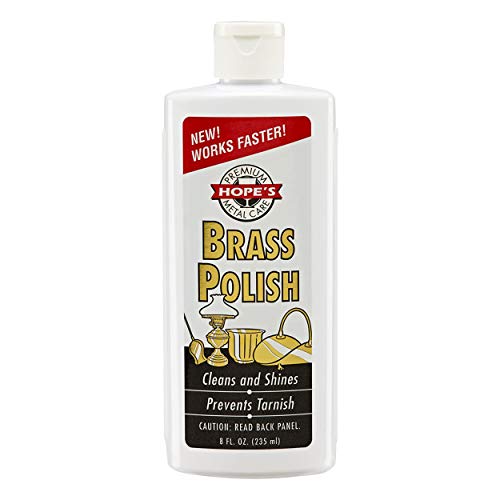
- brass cleaner and anti-tarnish polish for door hardware


Before You Start
Inspect the knocker for any loose parts or corrosion. Protect surrounding surfaces with a drop cloth or painter’s tape to prevent polish from contacting wood or metal. Work in a well-ventilated area and wear gloves to guard against skin irritation. Time estimate: 20–40 minutes for a typical knocker. If the piece is heavily oxidized or has a lacquer coating that is peeling, extra care may be required.
Step-By-Step: How To Clean A Brass Door Knocker
- Remove the knocker from the door if possible to prevent accidental scratches on the surface around the mounting.
- Wipe away dust with a soft, dry cloth to reveal the base level of tarnish.
- Apply a small amount of brass cleaner paste to a microfiber cloth and rub in small circular motions onto the tarnished areas.
- For crevices, use a soft-bristled brush to gently loosen grime before reapplying paste.
- Buff with a clean microfiber cloth until the metal begins to gleam, then wipe away any residue with a damp cloth.
- Rinse the knocker with lukewarm water if the manufacturer’s directions allow, and dry thoroughly with a lint-free towel.
- Apply a thin layer of anti-tarnish polish designed for brass to seal the surface and slow future tarnish.
- Reattach the knocker to the door securely and give it a final wipe to remove fingerprints.
- For regular maintenance, repeat every few months or as needed based on climate and exposure to elements.
- If the knocker has lacquer or protective coating, test a small area first and consult the product directions before removing the coating.
- Store any remaining paste in a sealed container to prevent drying out between uses.
- Document the process with a quick photo for future reference and continuity in care.
Troubleshooting
| Symptom | Likely Cause | Fix | Prevention |
|---|---|---|---|
| Wooden door nearby shows polish on it | Spillage or splatter | Wipe immediately with a damp cloth, then dry | Protect surface with masking tape |
| Streaks or streaky dark patches remain | Residual polish or improper buffing | Reapply a small amount of paste and buff with a fresh cloth | Use a microfiber cloth and moderate pressure |
| Brass looks dull after cleaning | Oxidation not fully removed | Repeat cleaning steps or use a dedicated brass polish | Clean regularly to prevent heavy buildup |
| Patina appears or is desired | Intentional aging | Use a neutral or patina-friendly finish and avoid aggressive polishing | Choose a finish that matches the home style |
Common Mistakes
- Using abrasive pads that scratch the brass surface
- Over-polishing, which can wear away decorative details
- Applying cleaners directly to wood doors or hinges
- Skipping thorough drying, which can promote water spots
Tips For Best Results
- Test any cleaner on a small, inconspicuous area first to confirm compatibility.
- Use warm water rather than hot to avoid thermal stress on the metal.
- For outdoor door knockers, consider applying a protective wax or anti-tarnish coating after cleaning.
- Regular light maintenance beats heavy, infrequent cleaning in resisting tarnish buildup.
- Store polish pastes in a cool, dry place away from direct sunlight to maintain effectiveness.
Call A Professional
Consider professional help if the brass knocker is heavily corroded, attached hardware is seized, or the knocker is part of an antique with cultural or monetary value. Stop and seek expert advice if you notice cracks in the mounting or if removing the knocker risks structural damage to the door.
FAQ
How often should I clean a brass door knocker?
Light cleaning every few months helps prevent heavy buildup and keeps the finish bright.
Can I use household cleaners on brass door knockers?
Best results come from products designed for brass; harsh household cleaners can discolor or dull the finish.
Should I remove the lacquer before cleaning?
Only if the product instructions require it; test a small area first and follow manufacturer guidance.
Is it safe to clean brass outdoors?
Yes, but ensure you rinse thoroughly and dry to minimize water spots and corrosion, especially in humid climates.
Buying Guide
When selecting a brass door knocker cleaning kit or related products, consider several factors to ensure reliable results and long-lasting shine.
- Size and design compatibility: Choose a kit that suits the knocker’s size and your door’s style. Heavy, ornate knockers may require stronger paste but gentler polishing motions.
- Cleaner type and paste consistency: Paste-based cleaners are usually forgiving and effective on tarnish; liquid cleaners can reach tight crevices but may require more careful wiping.
- Cloth and applicator quality: High-quality microfiber cloths and soft brushes help prevent scratches while achieving a uniform shine.
- Anti-tarnish protection: Anti-tarnish polish helps extend the shine, particularly in humid or coastal environments where brass tarnishes faster.
- Durability and surface finish: Some knocker finishes are lacquered; choose products compatible with lacquered or unlacquered brass as appropriate.
- Ease of use and instructions: Look for clear directions and safer formulas for DIY use at home.
- Safety: Gloves and ventilation are important; avoid inhaling fine pastes and ensure surfaces are well protected during cleaning.
- Maintenance plan: A simple maintenance routine can prevent heavy tarnish and preserve the knocker’s original character.
With the right kit and careful technique, a brass door knocker can regain its luster and continue to welcome guests for years to come. If in doubt, consult product documentation or a professional restorer to choose the best approach for your specific piece.
Leave a Reply