How to Remove Mold in an Apartment Safely
Mold growth in rental spaces is a common issue that can affect air quality, health, and comfort. This guide outlines practical, step-by-step methods for residents to address mold safely, legally, and effectively. It emphasizes preventative practices to keep mold from returning and offers product recommendations that support detection and remediation without replacing professional services when they are needed.
Residents should approach mold removal with care, especially in shared buildings where moisture issues may be driven by plumbing, ventilation, or outside elements. The focus here is practical, home-friendly actions that improve indoor air and reduce mold spore exposure while staying within typical tenancy guidelines.
Quick Answer
Act quickly, focus on moisture control, and use protective gear. Use a dehumidifier to reduce humidity, a HEPA air purifier to capture spores, and a digital moisture meter to identify damp spots. Clean visible growth with appropriate cleaners and seal porous surfaces after drying to prevent recurrence.
What You’ll Need
- 30 pint dehumidifier for mold removal
- HEPA air purifier for mold spores
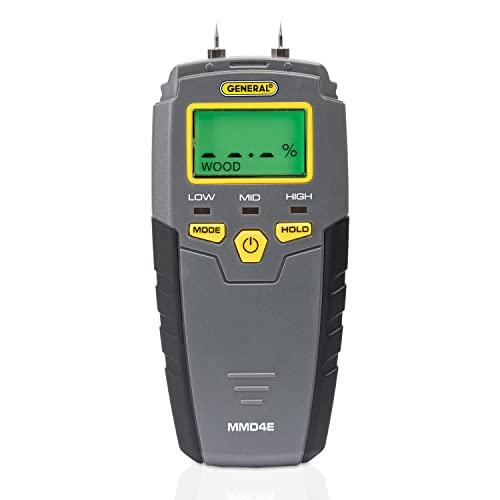
- digital moisture meter hygrometer mold detection
- Protective gear (gloves, mask with N95/HEPA rating, goggles)
- Non-ammonia household cleaner or a mold-safe disinfectant
- Plastic sheeting and damp cloths for containment and cleanup


Before You Start
Assess the area and determine if the mold covers more than a small patch (typically larger than 10 square feet may require professional remediation). Ventilate the space by opening windows and using fans directed outside to move air. Turn off HVAC systems in the affected area to prevent spread through ducts. Always wear protective gear when cleaning mold to minimize inhalation and skin contact.
Prepare the space by sealing off the work area with plastic sheeting to prevent spores from migrating to other rooms. If there are lingering odors or persistent damp spots, identify the moisture source—leaks, condensation, or poor ventilation—and plan to address it after remediation. Expect the process to take several hours to days, depending on size and moisture levels.
Step-By-Step: How To Remove Mold In An Apartment
- Identify the scope with the digital moisture meter hygrometer mold detection to locate high humidity zones and damp surfaces.
- Increase air circulation and moisture control by running a 30 pint dehumidifier for mold removal in the affected area until humidity drops below 50-60%.
- Put on protective gear (gloves, N95 mask, goggles) and isolate the area using plastic sheeting to limit spore spread.
- Remove small, porous items that are heavily moldy or beyond cleaning (e.g., fabric, carpet fragments) and place them in sealed bags for disposal.
- Clean hard, non-porous surfaces with a mold-safe cleaner or a mixture of water and detergent. For stubborn growth, apply a dedicated disinfectant and scrub until the mold loosens.
- Rinse surfaces with clean water and dry promptly with towels or a dehumidifier-assisted air-dry method to prevent regrowth.
- Address moisture sources directly—repair leaks, improve ventilation, or install better insulation to reduce future dampness.
- Retest the area with the digital moisture meter after drying to confirm moisture levels are safe before reoccupying or rehanging materials.
- Reassess airflow by running the HEPA air purifier for several hours daily to capture any residual spores and improve indoor air quality.
- Inspect adjacent areas for hidden mold growth, especially behind walls or under flooring, and repeat cleaning if necessary.
- Document remediation steps and dates for tenant-landlord records in case future issues arise or for inspection compliance.
Troubleshooting
| Symptom | Likely Cause | Fix | Prevention |
|---|---|---|---|
| Musty odor persists after cleaning | Hidden mold or moisture lingering | Reassess with moisture meter; expand cleanup if needed | Improve ventilation; monitor humidity |
| Humidity stays high despite dehumidifier | Continuous moisture source (leak, poor seal) | Repair source; seal leaks; enhance insulation | Regular moisture checks |
| Spore spread to nearby rooms | Inadequate containment or HVAC spread | Re-seal area and temporarily shut off HVAC | Use portable air purifiers in affected spaces |
| New mold growth after cleaning | Recontamination or residual dampness | Repeat cleaning with emphasis on dry time | Maintain steady humidity; frequent inspections |
Common Mistakes
- Using bleach on porous materials—mold may persist under the surface.
- Neglecting moisture control after visible cleanup, leading to rapid regrowth.
- Cleaning in poorly ventilated spaces without proper PPE.
- Patching over moldy areas without addressing underlying leaks or condensation.
Sticking to moisture-first remediation and proper containment dramatically reduces the chance of recurrence and protects air quality.
Tips For Best Results
- Use the dehumidifier continuously during cleanup and for several days after to stabilize humidity.
- Place the HEPA air purifier for mold spores in the most affected room and run it according to manufacturer guidance.
- Keep temperatures steady and avoid rapid fluctuations that can drive condensation on cold surfaces.
- Document moisture readings with the digital moisture meter hygrometer to track progress over time.
- Store cleaned items away from damp areas and ensure surfaces are fully dry before reintroducing items.
Call A Professional
Consider professional help if mold covers more than 10 square feet, is spreading behind walls, or recurs after owner-implemented remediation. Stop signs include persistent musty odors, active leaks, or health symptoms such as persistent coughing or allergic reactions after exposure. Tenants should notify landlords in writing when mold is suspected, and escalation to a licensed mold remediation service or building maintenance is advised when safety or structural concerns exist.
FAQ
How quickly should I start remediation after noticing mold?
Begin as soon as possible to minimize spread. Immediate action typically reduces the area needing professional intervention.
Can I remove mold myself in a rental unit?
Yes, for small, non-porous areas and when you can access the source safely. Large areas or porous materials may require professionals.
What humidity level is best for mold prevention?
Keep indoor relative humidity between 30% and 50% to reduce mold growth risk.
Is bleach effective for mold cleanup?
Bleach can be effective on non-porous surfaces but may not penetrate porous materials. Use mold-safe cleaners and proper drying after treatment.
How long should I run a dehumidifier after cleanup?
Continue until humidity stays consistently below 50% in the affected area.
Should I replace porous materials after mold cleanup?
Porous items with extensive mold damage are often best discarded to prevent return growth.
What should I tell my landlord about mold?
Provide written documentation of the issue, remediation steps, and moisture-control measures taken. Seek guidance on shared responsibility and potential inspections.
Buying Guide
When selecting tools to assist mold removal in an apartment, consider size, energy use, noise, and placement. A compact dehumidifier with a 30-pint capacity can reliably reduce moisture in small-to-medium rooms without consuming excessive energy. Pair it with a HEPA air purifier to capture spores released during cleaning, especially in bedrooms and living areas. A digital moisture meter hygrometer helps identify damp spots and track progress over time. Look for devices with quiet operation, easy filter maintenance, and clear humidity readouts. Consider placement near the source of moisture or in rooms with poor ventilation, and ensure electrical outlets and cords are safely arranged away from water. For best results, use these tools as part of a broader moisture-control strategy that includes leak repair, improved ventilation, and regular monitoring of humidity levels.
Leave a Reply