How to Remove Sulfur Odor From Water
Sulfur odor in water, often described as a rotten egg smell, can be caused by hydrogen sulfide gas or minerals. Getting rid of the odor improves taste, smell, and overall water quality for everyday use. This guide outlines practical steps, equipment options, and common issues when tackling sulfur odors in residential wells or municipal supply systems.
With the right approach, customers can often reduce or eliminate sulfur odors using consumer-ready filters and treatment media. The recommendations below emphasize safe, effective methods suitable for typical American homes.
Quick Answer
Quick fix: Start with a carbon-based filter for sulfur odor and consider specialized media like Birm or manganese greensand if odors persist. For well water, test your water to determine hydrogen sulfide levels and select a treatment that targets hydrogen sulfide directly. Regular maintenance and timely media replacement are essential for lasting results.
What You’ll Need
- Water filter for sulfur odor removal activated carbon
- Birm media sulfur removal filter cartridge
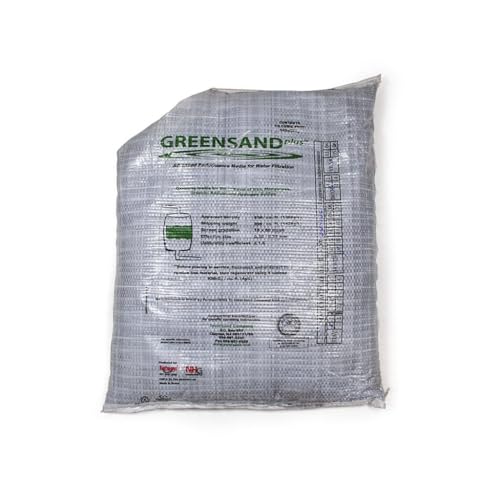
- Manganese greensand sulfur odor filter for well water


Before You Start
Before any treatment, perform a basic water test to confirm sulfur presence and estimate hydrogen sulfide levels. Consider the water source (well or city supply) and flow rate, as these affect filter sizing.
Caution: Some treatment media can release odors or require pretreatment if iron or water hardness is high. Follow manufacturer instructions for installation, backwashing (if applicable), and replacement intervals. Plan for a dedicated installation location with accessible shutoff valves and secure mounting.
Step-By-Step: How To Remove Sulfur Odor
- Identify the source: Confirm whether hydrogen sulfide is causing the odor by testing water for sulfur compounds.
- Choose a treatment approach: For mild odors, a carbon-based filter often suffices. For stronger sulfur, select media such as Birm or manganese greensand designed for hydrogen sulfide removal.
- Shut off the main water supply and relieve pressure by opening a faucet to drain.
- Install the chosen filter or media cartridge according to the manufacturer’s instructions, ensuring correct orientation and flow direction.
- Activate and flush the system: Run water through the new filter for the recommended period to remove loose media and air.
- Set maintenance reminders: Record replacement dates for carbon filters or media to maintain odor control.
- Test water after installation: Recheck odor and, if possible, hydrogen sulfide levels to verify improvement.
- Address iron or scale: If iron content or sediment is high, pre-filter or pretreat to protect the sulfur-removal media and extend filter life.
- Schedule regular backwashing (if applicable): Some media require periodic backwashing to maintain efficacy and remove accumulated substances.
- Monitor taste and odor over time: If odor recurs, inspect seals, connections, and media condition; replace media as needed.
- Consider a whole-house system: For persistent or strong odors, a dedicated whole-house treatment with Birm or manganese greensand can be more effective than point-of-use filters.
Troubleshooting
| Symptom | Likely Cause | Fix | Prevention |
|---|---|---|---|
| odor returns after a few days | Media exhausted or channeling occurs | Replace media and ensure proper bed depth | Periodic maintenance and correct installation |
| Odor remains strong after carbon filter | Hydrogen sulfide too high for carbon alone | Install or add Birm or manganese greensand stage | Combine media for multi-stage treatment |
| Backwashing issues or reduced flow | Accumulated sediment or clogged media | Check valves, refresh media, clean pre-filter | Regular pre-filtration and media inspection |
| Taste change but no odor | Chlorine or other chemicals interacting with filter | Rinse or replace filter, inspect for chemical residues | Follow manufacturer maintenance schedule |
Common Mistakes
- Assuming a single small filter handles all sulfur odors—strong odors often require a staged approach.
- Using the wrong media for the water chemistry—iron, manganese, and pH can affect performance.
- Neglecting pretreatment—sediment or iron can foul media quickly.
- Skipping regular maintenance—filters and media degrade over time, reducing effectiveness.
Tips For Best Results
- Test water annually or after any changes in source to catch shifting chemistry.
- Match filter size to your household water demand to avoid pressure loss.
- Consider a combination approach: a carbon stage for taste and a sulfur-targeted media stage for odor removal.
- Record replacement dates and keep spare media cartridges on hand for quick maintenance.
- For well water, coordinate with local water specialists if hydrogen sulfide is persistent or high in concentration.
Call A Professional
Seek professional help if the sulfur odor persists after initial treatment, or if you detect gas buildup, unusual discoloration, or high iron/manganese levels. A licensed plumber or water-treatment specialist can assess system compatibility, perform precise testing, and install or upgrade a comprehensive solution.
FAQ
Is sulfur odor a health risk?
Hydrogen sulfide at low levels is primarily an odor issue; it can cause taste changes and, at higher concentrations, irritation. A professional should assess any potential health concerns related to prolonged exposure.
What filter is best for sulfur odor?
Activated carbon filters remove many odors; for persistent hydrogen sulfide, media like Birm or manganese greensand can be more effective, especially in well water.
How often should I replace sulfur odor filters?
Replacement intervals vary by media and usage. Follow manufacturer guidelines; test water periodically to confirm continued odor control.
Can I install these systems myself?
DIY installation is possible for simple cartridges with basic plumbing, but complex setups or well-water systems often require a professional.
Do I need pretreatment for well water?
Yes, pretreatment for iron, manganese, or sediment improves media lifespan and odor reduction efficiency.
Will these systems remove taste as well as odor?
Yes, carbon-based stages improve taste and odor, while hydrogen sulfide-targeted media focus on odor removal.
Buying Guide
When choosing a sulfur odor treatment, consider size, noise, energy use, controls, and placement. For most homes, a staged approach with carbon filtration followed by a sulfur-targeted media (Birm or manganese greensand) offers robust odor control.
Size: Select a filter or system that matches your daily water usage and flow rate. Too-small units will require frequent maintenance; too-large units may be unnecessary and cost-inefficient.
Noise level: Some filtration systems include backwash cycles that generate noise. Look for low-noise models if the unit will be near living spaces.
Energy efficiency: Most filtration systems are passive, but backwashing stages consume water and energy. Choose systems with efficient backwash controls if applicable.
Controls: Easy-to-use indicators for maintenance and replacement help keep the system functioning effectively. Consider models with clear maintenance schedules.
Placement: Install in a dedicated utility area or with accessible shutoffs. Ensure proper venting and adequate clearance for media replacement and system service.
Multi-stage options: For well water with multiple contaminants, a combination of activated carbon and sulfur-targeted media can provide comprehensive water quality improvements.
By considering these factors, homeowners can select a sulfur odor removal solution that balances effectiveness, cost, and convenience while keeping home water clean and pleasant.
Leave a Reply