How to Clean Electronics Safely and Effectively
Keeping electronics clean helps extend their life, maintain performance, and reduce the spread of germs on frequently touched devices. This guide covers practical, safe methods for common consumer electronics, using accessible tools and materials available in the U.S. market.
Quick Answer
Power down and unplug all devices before cleaning. Use antistatic microfiber cloths for screens and exteriors, and apply electronic contact cleaner spray 99% isopropyl alcohol only where recommended. For stubborn grime on non-porous housings, an ultrasonic cleaner for electronics 40kHz 2L can help, but never submerge devices with openings. Let devices dry completely before reassembly or powering on.
What You’ll Need
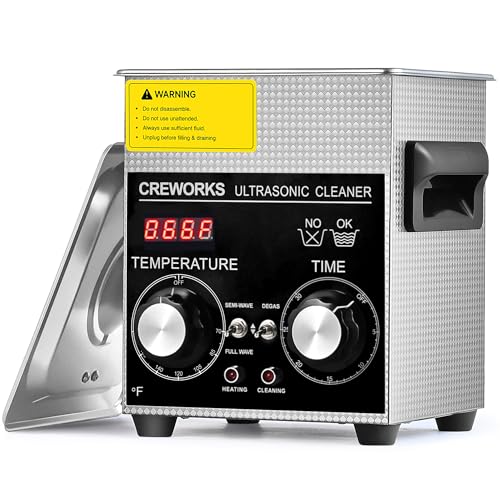
- Ultrasonic cleaner for electronics 40kHz 2L
- Antistatic microfiber cloths electronics screen cleaning kit
- Electronic contact cleaner spray 99% isopropyl alcohol


Before You Start
Prepare a clean, dry workspace and ensure all devices are powered off and unplugged. Remove batteries where safe. Protect delicate connectors and screens from moisture; avoid spraying cleaners directly on devices. If using an ultrasonic cleaner, only submerge items that are rated as safe for immersion and follow the manufacturer’s directions. Expect a total cleaning session to take 15–45 minutes depending on severity and device type. Do not use abrasive pads or harsh solvents that can damage coatings.
Step-By-Step: How To Clean Electronics
- Disconnect power and remove batteries from devices when possible.
- Wipe exterior surfaces with antistatic microfiber cloths to lift dust without scratching screens or casings.
- For screens, use a lightly dampened microfiber cloth with water or a recommended screen cleaner; wipe in gentle, circular motions.
- Apply electronic contact cleaner spray 99% isopropyl alcohol only to areas with clinging residue or corrosion risk, never directly onto ports or openings.
- For keyboard and small crevices, use a soft brush or compressed air first, then wipe with a microfiber cloth dampened with alcohol if needed.
- If using an ultrasonic cleaner, submerge only non-electronic components and follow the device’s clearance guidelines. Run a short cycle and inspect items as they emerge to ensure no moisture pockets remain.
- Rinse away any remaining cleaner with a clean microfiber cloth and allow all components to dry completely in a well-ventilated area.
- Reassemble carefully and reinsert batteries if removed; power up to verify function after thorough drying.
- Store cleaning tools and cleaners out of reach of children and pets to prevent accidental misuse.
- Dispose of any used consumables (cloths or wipes) responsibly after a cleaning session.
- Regular maintenance: a quick daily wipe and a deeper clean monthly can prevent grime buildup.
- Document any persistent issues (sticky keys, screen discoloration) for professional assessment if needed.
Troubleshooting
| Symptom | Likely Cause | Fix | Prevention |
|---|---|---|---|
| Screen shows streaks after cleaning | Residue from cleaner or improper drying | Wipe with a clean dry microfiber cloth; repeat with minimal moisture | Use recommended screen-safe products; avoid excess liquid |
| Device powers off during cleaning | Moisture intrusion into internal components | Unplug, dry thoroughly, and test after 24 hours | Keep liquids away from ports; use minimal dampness |
| Ports or connectors corrode | Exposure to alcohol or moisture | Rinse with approved cleaner in small amounts; dry completely | Only spray cleaner on cloth; never directly into ports |
| Residue around seams | Overuse of cleaner or spray on seams | Spot clean with cloth, avoid spraying directly | Apply cleaner sparingly and precisely |
Common Mistakes
- Using household cleaners not designed for electronics
- Saturating cloths or spraying liquids directly onto devices
- Cleaning while devices are plugged in or powered on
- Ignoring drying time after cleaning
- Using abrasive tools or rough motion near screens
Tips For Best Results
- Test cleaners on a small, inconspicuous area first to gauge compatibility.
- Keep liquids away from openings; use isopropyl alcohol only where appropriate and in low concentrations.
- Choose ultrafine microfiber cloths to minimize micro-scratches on delicate surfaces.
- For dusty environments, a damp microfiber wipe followed by a dry pass works well.
- When using an ultrasonic cleaner, ensure items are rated for immersion and remove any debris with a soft brush before submersion.
Call A Professional
Seek professional help if devices exhibit persistent moisture damage, screen flickering after cleaning, loose connectors, or if cleaning involves electronics that are still under warranty. Stop cleaning and consult a technician when you notice unusual heat, unusual noises, or burning smells during or after cleaning.
FAQ
Can I clean my phone with water spray?
Use a microfiber cloth dampened with water or a screen-safe cleaner; avoid direct spraying and excessive moisture.
Is it safe to use isopropyl alcohol on all electronics?
Isopropyl alcohol is generally safe for many surfaces if used sparingly and not on screens with special coatings; always follow manufacturer recommendations.
How often should I clean my electronics?
Light daily dusting is fine; deeper cleaning every few months helps prevent buildup on screens and keyboards.
What should I do if a device stops working after cleaning?
Power it off, unplug, and allow thorough drying. If issues persist, contact support or a professional technician.
Are ultrasonic cleaners safe for electronics?
Only use ultrasonic cleaning for items rated as safe for immersion and designed to withstand brief submersion; avoid the device’s electronic components.
Buying Guide
When selecting cleaning gear for electronics, consider several factors to fit typical American households and workspaces. Size and capacity matter; a compact ultrasonic cleaner may fit small parts, while a larger model handles multiple components. Noise levels and energy use influence comfort during longer sessions. Energy efficiency helps reduce electricity consumption without sacrificing performance. Controls should be intuitive, with clear timing and temperature options. Placement matters too: keep devices in a cool, dry area away from direct sunlight and moisture-prone zones. Compare cleaning kits for compatibility with your devices, including screens, keyboards, and non-electronic housings. A balanced set of tools—like an ultrasonic cleaner, antistatic microfiber cloths, and a safe electronic contact spray—offers versatility for most home and office environments without overcomplicating upkeep. If you frequently clean multiple devices or handle delicate gear, prioritize quality cloths and a cleaner that won’t degrade coatings or plastics. Consider also the availability of replacement cloths and accessories to sustain long-term use. Finally, assess warranties or guarantees on cleaning tools to ensure reliable support if parts wear out. Is your setup primarily for smartphones, laptops, or desktop peripherals? Your choice should align with those needs while allowing room to expand as your collection grows.
Leave a Reply