How to Get Rid of Alcohol Stains on Wood
Alcohol spills can leave ghostly marks on wood surfaces, especially on unfinished or softwood furniture. With the right approach, many stains can be lightened or removed without damaging the finish. This guide covers practical methods using common products to safely restore appearance while protecting the wood over time.
Understanding the type of stain and the wood finish is key. Dyes, varnishes, and wax coatings react differently to treatments, so testing a small, inconspicuous area first is essential. The steps below focus on controlled, reversible methods ideal for household furniture and typical wood finishes.
Quick Answer
Target the stain early with a gentle approach: blot, test a cleaner, then consider sanding with a fine block and applying a wood stain remover for alcohol stains or a wood bleach gel if needed. Always work in small areas and follow safety instructions on product labels.
What You’ll Need
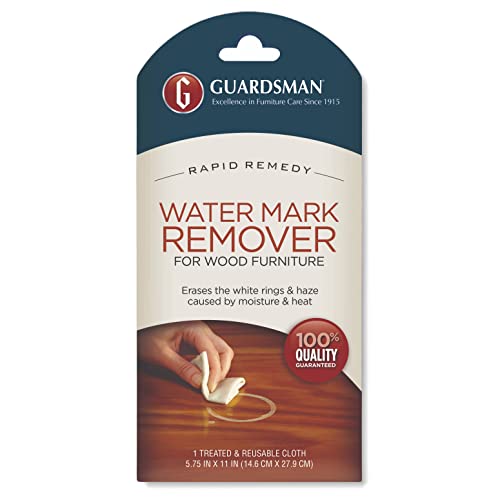
- Wood stain remover for alcohol stains furniture
- Wood bleach gel to remove alcohol marks on wood
- Sanding block 180 grit for refinishing wood furniture


Before You Start
Prepare a clean, well-ventilated workspace. Protect nearby surfaces with drop cloths, and wear gloves and eye protection. Time estimates vary by stain size and wood type; plan for 30 minutes to several hours, including drying intervals. Critical cautions include avoiding aggressive scrubbing that can lift the finish and always testing products on a hidden area first.
Step-By-Step: How To Get Rid Of Alcohol Stains On Wood
- Blot the spill immediately with a clean cloth to remove surface liquid without pushing it deeper into the grain.
- Assess the stain. If it’s localized and pale, a gentle cleaner may suffice; if it’s darker or has set, move to a stain remover specifically designed for alcohol marks.
- Apply a wood stain remover for alcohol stains furniture following the product directions. Use a soft cloth to rub lightly in the direction of the grain.
- Allow the remover to sit as directed, then wipe away residues with a clean, damp cloth. Dry thoroughly before proceeding.
- If the stain persists, apply a wood bleach gel to remove alcohol marks on wood to a small test area. Follow the label for application time and rinsing requirements.
- Rinse or wipe off the bleach gel completely and let the surface dry completely. If marks remain, lightly sand the area with a sanding block 180 grit to smooth the surface and remove the most affected layer.
- Wipe the area clean and check the color match. If the wood tone looks uneven, consider applying a neutral wood stain or finish to even out the appearance after sanding.
- Finish with a protective coat suitable for the wood type (polyurethane, lacquer, or wax) following the manufacturer’s instructions to seal the surface and reduce future staining risk.
Troubleshooting
| Symptom | Likely Cause | Fix | Prevention |
|---|---|---|---|
| Stain reappears after drying | Residual alcohol seeped deeper than surface | Repeat stain remover treatment on the affected area and re-sand lightly if needed | Blot spills immediately; use protective coasters |
| Finish hazy after bleach gel | Over-application or moisture trapped under finish | Wipe clean, dry thoroughly, and re-apply finish in thin coats | Test on hidden area; ensure complete drying between steps |
| Color mismatch after sanding | Uneven wear or exposure to light | Apply a matching wood stain prior to sealing | Sand evenly; always test color on a scrap piece |
| Finish lifting or delaminating | Excess moisture or incompatible products | Lightly sand back to sound wood and re-finish with compatible products | Follow label for compatible sealer layers |
Common Mistakes
- Using aggressive scrubbing or steel wool that deepens scratches
- Skipping a test patch on an inconspicuous spot
- Over-wetting the wood during cleaner application
- Rushing the drying times between steps
- Choosing a finish that doesn’t pair with the stain remover or bleach gel
Tips For Best Results
- Work in thin layers and gradually increase coverage if needed.
- Always wipe away residues following product directions to avoid film formation.
- Maintain even pressure with the sanding block to prevent gouges—keep the block flat on the surface.
- Keep a damp cloth handy for quick cleanup between steps to minimize dust and debris.
- Document the process with notes and photos to reproduce the finish consistently if you refinish larger areas.
Call A Professional
Consider a professional if the stain covers a large surface, affects a high-value piece, or if the wood has veneered or antique finishes. Stop work and consult a pro if you notice visible warping, deep color changes across broad areas, or layers of old finishes that may require specialized tools or techniques.
FAQ
Can alcohol stains be removed from all wood types?
Most common woods respond to stain removers and bleaching gels, but some finishes or soft woods may be more challenging and may require professional refinishing.
Is sanding always necessary after alcohol stains?
No, but light sanding may be needed if the stain has penetrated and the surface remains uneven.
Will bleach gel damage the wood?
When used as directed on a small test area, bleach gel minimizes risk, but overuse can lighten more than intended.
How long should I wait between steps?
Follow product labels; drying times typically range from 15 minutes to several hours depending on humidity and temperature.
What if the stain returns after refinishing?
This may indicate deeper penetration; re-evaluate the approach, reseal with compatible products, and avoid applying heavy finishes over mismatched layers.
Is there a budget-friendly alternative to professional refinishing?
For small spots, consumer-grade stain removers and wood bleach gels can be effective with careful steps and patience.
Buying Guide
When choosing products to remove alcohol stains from wood, consider several factors. Size matters for covering larger areas, so select products that fit the job scale. Noise level and odor might be a concern for indoor spaces; look for low-odor formulas if sensitive occupants are nearby. Energy efficiency is less about consumer cleaners but consider low-waste packaging for sustainability. Controls refer to ease of use—labels should provide clear directions, dwell times, and safety cautions. Placement matters too; work in a well-ventilated area away from heat sources. Compare options based on stain type, wood finish, and whether you prefer chemical cleaners, gels, or a sanding-based approach. For DIYers, starting with a stain remover for alcohol stains and a gel bleach for stubborn marks provides a balanced, controllable workflow before sanding and refinishing.
Leave a Reply