How to Clean a Sword: Safe Maintenance for Katana and Other Blades
Sword care is essential to preserve edge retention, prevent rust, and maintain aesthetic appeal. This guide focuses on safe practices for cleaning a katana or similar blades using common maintenance supplies. Following proper steps helps extend the life of the blade while reducing the risk of damage to fittings and wrap.
Whether you are a collector, practitioner, or casual owner, a routine cleaning routine can be quick and effective. The process here emphasizes gentle handling, appropriate products, and a methodical approach that minimizes moisture exposure and avoids wear on the blade’s surface.
Quick Answer
Clean the blade after use with a microfiber cloth to remove fingerprints and moisture, apply light oil to prevent rust, and store in a dry environment. Use a dedicated blade cleaning kit to maintain consistent results and reduce the risk of abrasions.
What You’ll Need
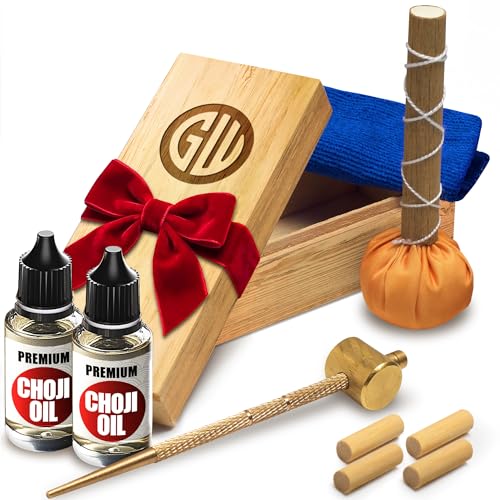
- Katana sword cleaning kit oil lubricating cloth
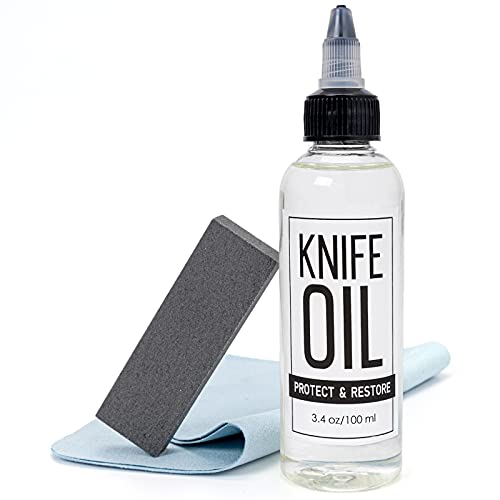
- Sword maintenance kit rust remover oil lubricant
- Blade cleaning kit for swords microfiber cloth rod brush
Before You Start
Prepare a clean, well-lit workspace on a flat surface. Wear soft gloves to minimize fingerprints and keep tools organized. Protect the blade’s edge and fittings by using minimal pressure and avoiding abrasive materials. Expect the process to take about 15–30 minutes for regular maintenance, longer if restoration steps are involved.
Important cautions include avoiding water exposure on the blade for extended periods and never using household chemicals not designed for blade care. Moisture can lead to rust if not properly dried and oiled. Always ensure the blade is dry before applying any lubricant.
Step-By-Step: How To Clean A Sword
- Lay the blade flat on a soft, stable surface with the edge protected. If possible, secure the sword in a display stand to minimize handling.
- Wipe the entire blade with a microfiber cloth to remove fingerprints, dust, and moisture. Use light, even strokes along the blade’s length.
- Inspect for rust spots or discoloration. If present, apply a small amount of rust remover oil lubricant to a clean cloth and gently treat affected areas.
- Apply a thin layer of blade oil from the sword maintenance kit or similar kit to the blade’s surface, working from the tang toward the tip. Avoid pooling oil in the bellies or near the guard.
- Wipe away any excess oil with a fresh microfiber cloth to prevent staining or attract dust.
- Clean the fittings and display areas with a soft cloth; handle the handle wrap carefully to avoid loosening or fraying threads.
- For stubborn grime, use a rod brush from the blade cleaning kit and gently work along the blade’s surface with minimal pressure.
- Re-check for moisture and dryness. If the blade feels dry, apply another light coat of oil and wipe off any excess.
- Store the sword in a dry, well-ventilated location away from direct sunlight and moisture. Use a display stand or sheath that does not trap humidity.
- Record maintenance notes, including date and any rust or marks found, to establish a regular maintenance schedule.
- Periodic deeper cleanings may require additional steps, but routine care can often be completed in under half an hour.
Troubleshooting
| Symptom | Likely Cause | Fix | Prevention |
|---|---|---|---|
| Rust spots visible | Moisture exposure or oil residual | Gently treat with rust remover oil lubricant, re-oil, and buff dry | Dry blade after handling; regular oiling |
| Blade feels rough | Residue buildup or old oil | Clean with microfiber cloth and appropriate rod brush | Clean prior to storage and after use |
| Fittings loosen | Handle wrap or guard shift | Re-secure wrap and inspect fittings; avoid over-tightening | Handle carefully during maintenance |
| Edge dulls quickly | Hard contact with abrasive surfaces | Use proper sharpening technique only if trained | Avoid contact with hard materials and store safely |
Common Mistakes
- Using excess oil that collects dust and grime on the blade
- Wiping perpendicular to the edge with coarse materials
- Spraying cleaners directly onto the blade or fittings
- Ignoring humidity and poor storage conditions
- Over-tightening fittings or applying undue force during cleaning
Careful handling and using the right tools reduce risk and preserve the blade’s finish and performance.
Tips For Best Results
- Choose a dedicated blade cleaning kit designed for swords to ensure compatible oils and tools.
- Always test a small inconspicuous area when using a rust remover or solvent.
- Maintain a consistent cleaning schedule, especially after use or exposure to humidity.
- Label and organize tools to avoid cross-contamination between blade and non-blade tools.
- Consider a light, periodic inspection of the blade’s edge and fittings to catch issues early.
Call A Professional
Stop and seek professional help if you notice deep pitting, significant rust that cannot be removed safely, or if the blade shows signs of structural weakness. Seek a trained bladesmith or a qualified conservator for restoration or advanced maintenance beyond routine cleaning.
FAQ
What is the best oil for sword maintenance?
Most maintenance kits include a light mineral-based oil or synthetic blade oil suitable for blades; follow the kit’s recommendations.
How often should I clean my sword?
After each use or handling, plus a quarterly thorough cleaning and oiling for stored swords.
Can I use household products to clean a sword?
Avoid household cleaners that can corrode metal or damage the wrap; use products designed for swords.
Is rust removable from a katana?
Light rust can often be removed safely with proper rust remover oil lubricant; severe rust may require professional care.
Buying Guide
When choosing a sword care kit, consider size, compatibility with your blade, and the quality of oils and cloths included. Look for a kit that contains a katana sword cleaning kit oil lubricating cloth and a blade cleaning kit for swords microfiber cloth rod brush to cover all steps in one set. Noise level is not usually a concern for maintenance tools, but ease of use and kit organization matter for routine care.
Key buying factors include:
- <bSize and compatibility: Ensure the kit suits your blade length and fittings, including katana or other swords.
- <bOil quality and type: Choose rust-preventive oils appropriate for steel blades and protective finishes.
- <bEase of use: Look for tools that minimize risk of nicks and scratches, such as microfiber cloths and soft brushes.
- <bControls and storage: Opt for a kit with clear instructions and a proper storage case to keep components organized.
- <bPlacement considerations: Store in a dry, ventilated space away from moisture and temperature extremes to prevent tarnish and corrosion.
If comparing options, consider how many components are included, the reputability of the brand, and user reviews regarding long-term durability. A comprehensive kit simplifies maintenance and helps ensure consistent results.
Leave a Reply