How to Use Baking Soda to Get Rid of Smell in Your Home
Keeping indoor spaces fresh can be a simple, affordable task with the right approach. Baking soda is a versatile, low-cost odor absorber that works in many common scenarios—from kitchen counters to closets and refrigerators. This guide explains practical steps to use baking soda effectively, with product options to match various spaces and odor sources.
Quick Answer
Use baking soda as a passive odor absorber by placing it in shallow trays or opened boxes in odor-prone areas. Replace every 30–60 days for general use, or more often in strong-smelling environments. For targeted spots, use bags or specialized containers designed for odor absorption.
What You’ll Need
- Fridge deodorizer baking soda box 1lb odor absorber — ideal for keeping the refrigerator smelling fresh.
- Baking soda odor absorber tray 11×7 inch — fits on shelves or under sinks to capture odors visually.
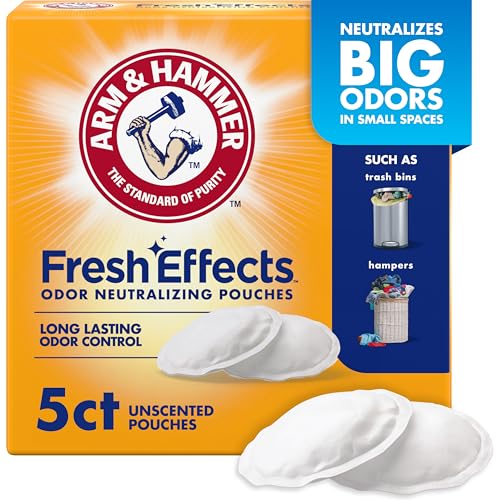
- Baking soda deodorizer bags 1lb for closet odor removal — portable sachets great for fabric, closets, and hampers.

Before You Start
Before deploying baking soda for odor control, assess the source of the smell. Baking soda is effective on porous, non-wet sources and as a general odor trap, but it won’t replace cleaning when the odor is linked to mold, chemical spills, or spoiled food. Protect surfaces from moisture and avoid direct contact with any finished wood or metal finishes that could be dulled by prolonged exposure. Set a realistic timeline: plan to refresh odors weekly in busy spaces, and monthly in low-traffic areas. Estimate time: 10–20 minutes to set up, plus ongoing maintenance afterward.
Step-By-Step: How To Use Baking Soda For Odor Elimination
- Decide on the best form: tray, box, or bags, based on the space and odor source.
- Place a fridge deodorizer baking soda box 1lb odor absorber inside the refrigerator, ideally on a shelf away from direct sunlight or heat vents.
- Position a baking soda odor absorber tray 11×7 inch on shelves or near the odor hotspot, such as under a sink or in a pantry corner.
- For textiles and closets, tuck in a baking soda deodorizer bags 1lb for closet odor removal in corners or hung within garment bags.
- Do not seal spaces tightly; allow air exchange to maximize absorption.
- Check and refresh regularly: replace trays and boxes every 30–60 days, or sooner if the smell returns quickly.
- Combine with surface cleaning for best results: wipe down shelves with a mild solution and rinse completely before reapplying baking soda.
- Keep baking soda dry: store the remaining product in a closed container to prevent clumping, which reduces absorption.
- Use multiple units in large rooms or vehicles to increase coverage and odor capture.
- Monitor for any residue or staining on fabrics or porous surfaces; switch to a different method if staining occurs.
- Consider adding a mild scent to the area only if a neutral fragrance is desired in addition to odor control.
- Disposal: empty baking soda from trays or bags into a trash receptacle and replace with fresh soda to maintain efficacy.
Troubleshooting
| Symptom | Likely Cause | Fix | Prevention |
|---|---|---|---|
| Odor returns quickly | Insufficient coverage or frequent odor source | Increase number of trays/bags or relocate closer to the source | Regular maintenance schedule |
| Pungent kitchen smell persists | Moisture or spilled liquids near baking soda | Ensure area is dry; wipe spills and reapply | Keep baking soda in dry spaces |
| Discoloration on fabrics | Direct contact with baking soda on sensitive textiles | Place sachets or trays away from direct fabric contact | Use barriers like fabric covers |
| Clumping in trays | Moisture exposure | Dry the area and replace with fresh soda | Store soda in a dry, cool place |
Common Mistakes
- Using baking soda in wet or humid spaces without proper containment.
- Relying on baking soda alone for persistent or biological odors (e.g., mold).
- Forgetting to refresh or replace the baking soda, letting absorption capacity run out.
- Overlooking placement: placing boxes in corners with little air flow reduces effectiveness.
Tips For Best Results
- Match form to space: choose a box for appliances, a tray for open areas, and bags for textiles.
- Combine with regular cleaning: wipe surfaces and remove odor sources to extend baking soda effectiveness.
- Label storage: keep unopened boxes or bags in a sealed container to maintain potency until use.
- Space planning: spread multiple odor absorbers across large rooms to optimize coverage.
- Layer strategies: place a tray near the odor hotspot and keep a bag in the closet for continuous action.
Call A Professional
If odors persist despite using baking soda, and especially if there is visible mold, strong chemical smells, or water damage, consider contacting a professional. Persistent odors can indicate underlying issues such as mold growth, pest problems, or HVAC contamination that require expert assessment and remediation.
FAQ
Can baking soda remove odors from a refrigerator?
Yes. A fridge deodorizer baking soda box helps absorb odors and keeps the interior smelling fresher.
How often should baking soda be replaced for odor control?
Replace every 30–60 days in general use, or sooner if odors return quickly.
Is it okay to use baking soda directly on fabrics?
Avoid direct application on delicate fabrics; use bags or trays placed away from fabric contact.
Will baking soda remove musty odors from basements?
It can help, but musty odors often stem from moisture; address humidity and mold alongside odor absorbers.
Buying Guide
When choosing baking soda-based odor absorbers, consider size, placement, and maintenance needs to ensure optimal performance. Below are key buying factors to compare:
- Size and form: Boxes, trays, and bags offer different surface areas and ease of use. For refrigerators, a compact box is convenient; for closets and rooms, larger trays or multiple bags improve coverage.
- Placement flexibility: Look for products designed for shelves, corners, or hanging setups to fit diverse spaces.
- Absorption capacity: Higher quantities of baking soda provide longer intervals between replacements, reducing maintenance time.
- Containment: Prepared trays and bags help prevent loose baking soda from spilling onto surfaces or fabrics.
- Durability: Reusable trays or bags save money and reduce waste, while disposable boxes are convenient for transient needs.
- Air flow: Ensure there is enough airflow around absorbers to maximize odor capture without trapping moisture.
- Placement considerations: For kitchens, keep absorbers away from heat sources; for closets, position near fabrics without direct contact.
- Maintenance: Check whether a product includes easy-to-remove lids or resealable options for ongoing use.
Whether you’re tackling fridge smells, closet odors, or lingering room scents, baking soda offers a practical first step. By selecting the right form, placing absorbers strategically, and maintaining a regular replacement schedule, you can keep living spaces smelling fresh without relying on harsh chemicals.
Leave a Reply