How to Steam Clean Bed Bugs Effectively
Steam cleaning can be a practical part of a multi-step approach to managing bed bugs, especially on mattresses, upholstery, and carpets. This guide explains a careful method to use steam as a supplementary tool, along with safety notes and best practices.
Quick Answer
Steam cleaning can kill bed bugs and eggs on contact when the right temperature and technique are used. Target seams, tufts, and upholstered surfaces, keep the wand moving to avoid soaking, and always allow treated items to dry completely before reuse.
What You’ll Need
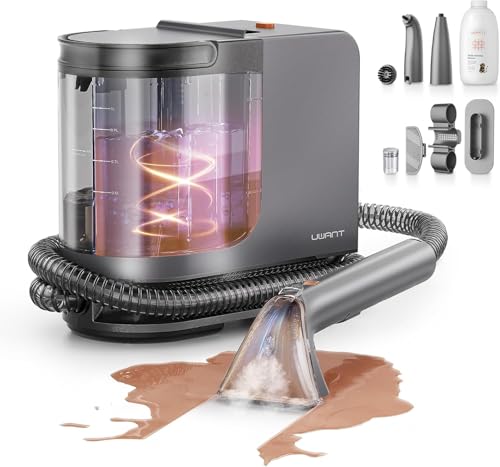
- Handheld steam cleaner for bed bugs mattress upholstery
- Portable steam cleaner 200F bed bug treatment mattress carpet
- Carpet steam cleaner with brush nozzle for bed bugs mattresses


Before You Start
Before beginning, ensure the room is well-ventilated and that you’ve cleared clutter from the treatment area. Check mattress encasements and remove loose items from seams. Follow manufacturer instructions for your steam cleaner, including any safety warnings about water pressure and heat. Plan a dry time of 1–3 hours for small items or 4–6 hours for larger fabrics and carpets, depending on airflow.
Step-By-Step: How To Steam Clean Bed Bugs
- Prepare the cleaner by filling the reservoir with clean water and heating it to the recommended operating temperature, typically around 200°F (93°C) for bed bug work.
- Set the nozzle or brush attachment to the appropriate setting for fabric and upholstery. Use a low to medium steam flow to avoid soaking.
- Begin at the top of the bed, focusing on seams, piping, and folds where bed bugs hide. Move the wand slowly to expose eggs and adults to the hot steam without over-wetting.
- Cover the mattress surface with steady, overlapping passes. Pause briefly in dense stitching or creases to maximize contact time with the heat.
- Treat upholstered headboards, box springs, and surrounding furniture in the same fashion, paying attention to edges and joints where infestations accumulate.
- Use the brush nozzle on carpets and rug edges. Move in gradual strokes, allowing steam to penetrate fibers without saturating the carpet backing.
- After steaming, ventilate the space and allow treated items to air dry completely before making the bed or using the furniture again.
- Inspect for remaining signs of bed bugs, such as shed skins or dark stains, and repeat targeted steam passes if needed after a few days.
- Combine steam treatment with vacuuming, laundering of textiles on hot settings, and encasement of mattresses and pillows for ongoing control.
- Keep steam away from electrical outlets and ensure cords do not pose a trip hazard during treatment.
- Store the steam cleaner safely after use, and empty any remaining water to prevent mineral buildup.
- Document locations treated and schedule follow-up checks to monitor the situation over the next several weeks.
Troubleshooting
| Symptom | Likely Cause | Fix | Prevention |
|---|---|---|---|
| Steam leaves damp areas or puddles | Over-wetting or slow wand movement | Move faster, use lighter steam, and reduce water flow | Practice steady, overlapping passes; dry thoroughly |
| Little or no steam at the nozzle | Clogged nozzle or empty reservoir | Clean nozzle, refill reservoir, check settings | Regular maintenance and cleaning |
| Steam cleaner overheats or shuts down | Extended continuous use or overheating | Pause, let it cool, then resume | Work in short sessions with breaks |
| Mattress or fabric looks misshapen after steaming | Excess moisture | Allow extended drying time; use lower moisture setting | Test on inconspicuous area first |
| Persistent infestation signs | Hidden eggs or cracks not treated | Repeat treatment, target hidden areas, consider professional help if needed | Integrate with laundering and encasements |
Common Mistakes
- Over-wetting fabrics, which prolongs drying and can cause mold growth
- Using too high a heat on delicate textiles, leading to fabric damage
- Relying on steam alone without integrating vacuuming, encasements, and laundering
- Forgetting to treat seams, tufts, and hidden edges where bed bugs hide
Tips For Best Results
- Test steam on a small inconspicuous area before full treatment to gauge fabric tolerance
- Work in a methodical grid pattern to avoid missing spots and to ensure even heat exposure
- Combine steam with hot-water extraction vacuuming for fibers that resist drying
- Use encasements on mattresses and box springs to trap any remaining bed bugs
- Label treated items and monitor for regrowth in the following weeks
Call A Professional
Consider contacting a pest management professional if:
- The infestation is extensive or widespread across multiple rooms
- There is ongoing activity after multiple steam treatments
- There are safety concerns about performance on electrical or structural elements
FAQ
Does steam kill bed bugs instantly?
Steam can kill exposed bed bugs on contact when the temperature is high enough and contact time is sufficient.
Is steam cleaning safe for mattresses?
Yes, if done carefully, with light moisture and gradual passes to avoid soaking inner layers.
How often should I steam clean for bed bugs?
Schedule steam sessions in tandem with laundry, sealing, and monitoring, typically every 1–2 weeks during an active infestation.
Can steam alone eradicate bed bugs?
Steam is most effective as part of a broader integrated pest management plan that includes cleaning, encasements, vacuuming, and monitoring.
Buying Guide
When choosing a steam cleaner for bed bugs, consider the following factors:
- Size and mobility: A handheld or portable unit that is easy to maneuver around a bed, furniture, and stairs helps reach tight spaces.
- Temperature capability: Look for models with sustained temperatures around 200°F or higher to improve efficacy against bed bugs and eggs.
- Steam control: Adjustable steam timing and a brush nozzle help treat fabrics and carpet edges effectively.
- Surface compatibility: Ensure the device is suitable for mattresses, upholstered furniture, and carpets without damaging delicate fabrics.
- Water tank and run-time: A larger reservoir reduces refills during intensive sessions; consider ease of refilling and drainage.
- Safety features: Auto-shutoff, heat protection, and stable bases mitigate hazards during use.
- Maintenance: Accessibility of nozzle cleaning and descaling helps prevent clogs and mineral buildup.
- Placement versatility: A model with a long hose or angled nozzle enables treatment around bed frames and tight corners.
Choosing the right tool depends on the scope of the infestation and the surfaces to treat. For households dealing with multiple rooms, a combination of a portable steam cleaner and additional methods often yields the best results. Planning ahead, following safety cautions, and integrating steam with comprehensive cleaning steps improve overall effectiveness.
Leave a Reply