How to Spot Clean Wool Safely and Effectively
Wool garments deserve gentle care to preserve softness, shape, and color. Spot cleaning offers a practical, low-risk option for handling fresh stains and minor soil without a full wash. This guide covers practical techniques, product options, and safety steps to keep wool looking its best in everyday wear.
Quick Answer
For minor stains on wool, use a wool-safe spot cleaner or a dedicated stain remover pen designed for delicate fabrics. Gently blot, test on a hidden area, and avoid saturating the fabric. A soft brush can help lift residue, followed by air drying away from direct heat or sunlight.
What You’ll Need
- wool stain remover pen for delicate fabrics
- delicate fabric spot cleaner spray wool-safe
- stain remover brush for wool sweater spot cleaning

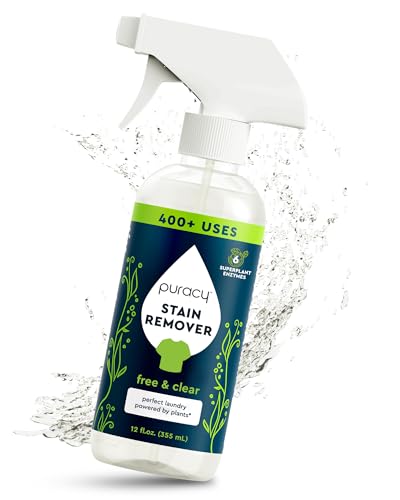
Before You Start
Before tackling a stain, inspect the fabric type and nap direction. Wool responds best to gentle products and minimal moisture. Always test a discreet area for colorfastness and finish. Time-saving tip: handle stains promptly, as fresh marks are easier to lift than set-in spots. Important cautions: do not rub aggressively, avoid hot water, and never apply bleach to wool.
Step-By-Step: How To Spot Clean Wool Safely
- Identify the stain type and check garment care label for wool suitability and water temperature guidance.
- Lay the wool item on a clean, flat surface with the stained area accessible and nap aligned.
- Perform a patch test with a hidden area using the wool-safe spot cleaner to verify colorfastness.
- Apply a small amount of stain remover pen for delicate fabrics or wool-safe spray to the stained spot, following product directions.
- Blot the stain gently with a clean cloth or tissue—avoid rubbing, which can push the stain deeper or distort fibers.
- If residue remains, use the stain remover brush for wool sweater spot cleaning to lift fibers lightly and lift away the stain without friction.
- Rinse lightly with a barely damp cloth if the product requires it, then blot to remove excess moisture.
- Allow the area to air dry completely, out of direct heat or sunlight, and brush the nap back into place once dry.
- Evaluate the stain. Repeat treatments sparingly if necessary, letting the fabric rest between applications.
- Store the garment flat or on a hanger to maintain shape, and note any stain that requires professional care if it returns.
- If the stain persists after several gentle attempts, consider professional cleaning advice to avoid fiber damage.
Troubleshooting
| Symptom | Likely Cause | Fix | Prevention |
|---|---|---|---|
| Discoloration after cleaning | Over-wetting or harsh rubbing | Switch to minimal moisture and blot gently | Always test first; use soft motions |
| Streaks on fabric | Uneven product distribution | Apply product evenly and blot from outside in | Use a single, small amount per area |
| Nap distortion | Rubbing or heat exposure | Dry in natural air and brush nap | Avoid heat sources and aggressive brushing |
| Stain returns after washing | Residual fibers trapped moisture | Ensure complete drying; consider professional cleaning | Dry thoroughly and inspect after drying |
Common Mistakes
- Using hot water on wool stains, which can cause felting or shrinking
- Rubbing vigorously, leading to fiber distortion
- Over-saturating fabric with cleaning solutions
- Ignoring care-label instructions or colorfast checks
Tips For Best Results
- Test every product on a hidden area before applying to the stain
- Blot, don’t rub—gentle pressure lifts soil without damaging fibers
- Work from the outside of the stain toward the center to prevent spreading
- Air-dry in a well-ventilated space, away from heat sources
- Brush the nap lightly after drying to restore the fabric’s texture
Call A Professional
Seek professional cleaning guidance if stains are large, deeply set, or if the garment is antique or exceptionally delicate. Stop and consult a pro when you notice color bleeding, fabric thinning, or if the care label requires dry cleaning only.
FAQ
Can I spot clean wool at home?
Yes, using wool-safe products and gentle blotting can handle many stains without a full wash.
What should I do first when a spill happens?
Blot the area gently with a clean cloth to remove excess liquid, then assess the stain and test a hidden area with a wool-safe cleaner.
Is brushing necessary after spot cleaning?
Brushing helps restore nap texture after drying, especially on wool sweaters.
What if the stain is stubborn?
Repeat a light treatment or consult a professional if the stain persists after multiple gentle attempts.
Buying Guide
Key buying factors for spot cleaning wool include product compatibility with delicate fabrics, ease of use, and fabric-safe formulations. Consider the stain type you most frequently encounter, such as coffee, wine, or grass, and choose products labeled wool-safe or for delicate fabrics. Size and packaging matter for travel or home use, ensuring you can control application without over-wetting.
Size and noise level are less relevant for spot cleaning, but ease of spray or pen use matters for quick responses. Energy efficiency is not a primary concern for these tools, but compact, refillable designs reduce waste. Place your cleaning kit in a accessible spot near laundry supplies, and keep away from children. For best results, maintain a small, labeled stock of the most-used products and rotate to ensure shelf life.
When comparing options, look for clear directions, colorfastness instructions, and compatibility with wool fibers. If you own multiple wool items—suits, sweaters, blankets—choose products that work across fabrics while remaining gentle to avoid pilling or felting. A light, controlled application is preferable to heavy-handed usage, especially on dark or bright colored wool.
Leave a Reply