Spot Clean Your Couch: A Practical Guide
Spot cleaning a fabric couch can refresh its appearance without a full cleaning. This guide offers a practical, steps-based approach using common household tools and select cleaning products to tackle everyday stains on upholstery.
Readers will find a quick overview, a required tools list aligned with the provided product keywords, safety notes, step-by-step instructions, troubleshooting, and buying guidance for future purchases.
Quick Answer
For most sofa stains, act fast with a gentle, localized treatment, blot rather than rub, and test any cleaner on an inconspicuous area. Use a handheld upholstery cleaner for couch stains for stubborn spots, or a spray with a brush kit to lift grime without soaking the fabric.
What You’ll Need
- Handheld upholstery cleaner for couch stains
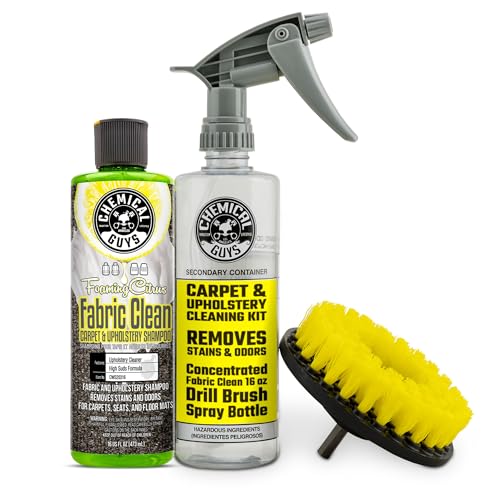
- Upholstery stain remover spray with brush kit
- Fabric couch cleaning brush set with microfiber cloths


Before You Start
Clear the area around the sofa and vacuum the surface to remove loose dirt. Check the fabric care label for cleaning codes (W, S, WS, or X). If the label advises water-based cleaning (W or WS), you can proceed with a gentle solution. Test cleaning products in an inconspicuous area first to avoid color bleeding or fabric damage. Allow the fabric to dry completely between treatments, and plan for a ventilation-friendly environment to speed drying.
Step-By-Step: How To Spot Clean Your Couch
- Identify the stain and choose the appropriate cleaner based on the fabric care label and stain type.
- Blot any wet residue with a clean, dry cloth to remove excess moisture without spreading the stain.
- Mix a small amount of cleaner with water if using a spray or brush kit, following the product’s instructions.
- Apply the cleaner lightly to the stained area, using a back-and-forth motion with a microfiber cloth or soft brush.
- Gently agitate the fabric with the upholstery brush to lift fibers and dissolve the stain.
- Blot again with a clean cloth to remove moisture and lifted stain material; avoid over-wetting the fabric.
- Rinse lightly with a clean, damp cloth if the product instructions require it, then blot dry.
- Let the spot air-dry completely before using the couch; speed up drying with a fan if needed.
- Assess the area. If the stain persists, repeat the process in lighter passes to prevent fiber damage.
- Finish with a light brush to restore fabric nap and remove any remaining residue.
- For persistent or delicate fabrics, consider professional cleaning or a fabric-safe stain remover with brush kit designed for upholstery.
Troubleshooting
| Symptom | Likely Cause | Fix | Prevention |
|---|---|---|---|
| Stain reappears after drying | Stain compounds remained after cleaning | Repeat cleaning with a lighter application and longer contact time | Pre-treat or blot with absorbent fabric-safe product before full cleaning |
| Fading color or water rings | Over-wetting or improper cleaner | Use less liquid; test first; use only recommended cleaners | Follow fabric care labels and avoid excess moisture |
| Fabric feels stiff after cleaning | Soap residue or over-drying | Rinse with a damp cloth and blot; brush nap after drying | Rinse and blot thoroughly; use minimal cleaner |
| Stiff bristles on brush cause fiber damage | Aggressive scrubbing | Switch to gentler strokes and softer brush | Use correct tool for fabric type |
Common Mistakes
- Rubbing stains aggressively, which embeds them deeper
- Over-wetting the fabric, leading to longer drying times or mold risk
- Using household cleaners not tested on the fabric
- Neglecting a test patch on an inconspicuous area
Tips For Best Results
- Work from the outside of the stain toward the center to prevent spreading
- Use microfiber cloths for gentle lifting without fiber damage
- Dock the cleaning solution to a light dampness rather than soaking the fabric
- Regularly vacuum and brush fabrics to maintain nap and appearance
- Keep stain-remover products and brushes clean to avoid reapplying dirt
Call A Professional
Consider a pro if the fabric is leather, suede, or contains delicate trims; if the stain covers a large area, or if the couch is heavily soiled. Do not attempt chemical-based removers not labeled for upholstery, and avoid DIY methods that risk irreversible damage.
FAQ
Can I spot clean all fabric types with these methods?
Most common household fabrics respond to gentle spot cleaning, but always follow the care label and test patches first.
Is a steam cleaner safe for upholstery?
Steam can be effective on some fabrics but may cause water damage on others. Use only on fabrics labeled safe for steam cleaning.
How long should the couch dry after spot cleaning?
Drying time varies with climate and fabric; plan for several hours and use airflow to speed up drying.
What if a stain reappears after drying?
Reassess the stain, reapply cleaner in lighter passes, and consider a different product if necessary.
Are there eco-friendly cleaners for upholstery?
Yes, many brands offer fabric-safe, water-based cleaners with biodegradable formulations.
Buying Guide
Choosing tools and products for spot cleaning a couch should focus on fabric compatibility, stain types, and user safety. Consider the following factors to optimize future purchases.
Size and portability
Compact handheld cleaners are easy to maneuver for quick spot work; larger portable units can cover bigger stains but may be heavier to use.
Noise level
Look for models with reasonable noise to allow cleanings without disruption, especially in homes with children or pets.
Energy efficiency
Efficient motors and reservoirs reduce run time and water use, while still delivering effective stain removal.
Controls and ease of use
Simple spray, suction, and brush controls help you adjust cleaning intensity without complex setup.
Placement and storage
Store cleaning kits near the cleaning area for quick access. Consider a dedicated basket or caddy for brushes and microfiber cloths.
Compatibility with fabric types
Review care labels and ensure that the product and brush kit are suitable for your couch’s fabric (cotton, polyester, microfiber, blends, etc.).
Cost and value
Balance price with durability and included accessories such as microfiber cloths and brush heads to maximize value over time.
Leave a Reply