How to Spot Clean a Pillow
Pillows add comfort and support, but spills and stains are common. A careful spot-clean routine can restore appearance without full washing. This guide covers safe methods using common supplies to keep pillow fabric looking fresh and prolong its life.
The steps below emphasize gentle techniques suitable for many pillow types, including decorative and everyday fabric pillows. Always test a hidden area first and follow care labels when available.
Quick Answer
Act quickly after a spill, blot to remove moisture without rubbing, then treat the stained area with a fabric-safe cleaner. Use microfiber cloths for blotting and a gentle stain-prep product to avoid fiber damage. Finish by air-drying completely before re-fluffing the pillow.
What You’ll Need
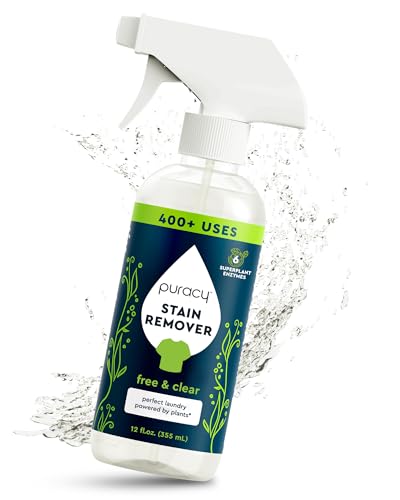
- delicate fabric stain remover spray for pillows
- pillow upholstery cleaning kit microfiber cloths
- stain pretreat pen for fabric pillows


Before You Start
Know your fabric type and any care labels. Test cleaners on a hidden seam or corner for colorfastness. Work on a clean, dry surface and place a towel underneath to catch any runoff. Time estimate: 15 to 30 minutes for initial treatment; longer if a stain requires multiple applications. Important: Avoid soaking the pillow, which can lead to mold or odor. Do not use heat to dry, as it can set stains and damage fibers.
Step-By-Step: How To Spot Clean A Pillow
- Blot fresh spills with a clean microfiber cloth to absorb as much liquid as possible. Do not rub, which can push stain deeper.
- Lightly dampen a microfiber cloth with cold water and blot the stained area to loosen soils.
- Apply a small amount of delicate fabric stain remover spray for pillows directly to the stain, following product directions.
- Gently work the cleaner into the fabric with a circular motion from outside the stain toward the center. Avoid aggressive scrubbing.
- For tougher stains, use the stain pretreat pen for fabric pillows along the edges of the stain, then blot with a clean cloth.
- Rinse the treated area with a barely damp cloth to remove cleaner residue, again blotting rather than rubbing.
- Let the pillow air-dry completely on a flat surface in a well-ventilated area. Avoid direct sunlight if the fabric is prone to fading.
- Fluff the pillow once dry to restore its shape and loft before use.
Troubleshooting
| Symptom | Likely Cause | Fix | Prevention |
|---|---|---|---|
| Stain reappears after drying | Residual stain or improper rinsing | Re-treat with stain remover and rinse thoroughly | Test on hidden area; use gentle products |
| Fabric faded or damaged | Harsh cleaner or heat exposure | Switch to milder cleaner; air-dry away from sun | Always follow care labels |
| Musty odor after cleaning | Moisture trapped in filling | Ensure full drying; consider airing pillow in a sunny spot | Use breathable pillow covers |
| Stains spread during cleaning | Rubbing or excessive moisture | Blot, use light pressure, and use minimal moisture | Test first; work from outside in |
Common Mistakes
- Rubbing stains aggressively, which embeds color and fiber damage
- Using hot water or heat to dry, which sets stains
- Over-wetting pillows, risking mold or mildew inside fillings
- Ignoring fabric care labels, leading to color loss or shrinkage
Tips For Best Results
- Blot, don’t rub—gentle pressure yields better cleaning without fraying fibers
- Test cleaners in an inconspicuous area before full application
- Use the pillow’s own care label recommendations as a baseline
- Ventilate the area well to speed up air-drying
- Consider a removable pillow cover for easy spot cleaning future-proofing
Call A Professional
Seek professional cleaning if: the pillow is made of delicate antique fabric, contains foam adhesives that may react to cleaners, or if there are persistent odors or stains after multiple treatments. Also contact a pro if you notice color bleeding that worsens with cleaning, or if the pillow has significant damage to seams or filling.
FAQ
Can I spot-clean all pillow fabrics the same way?
Most fabrics respond to gentle spot cleaning, but always check care labels. Delicate fabrics may require milder cleaners or professional cleaning.
Is it okay to use a fabric stain remover spray directly on the pillow?
Yes, when used as directed and tested on a hidden area first. Avoid applying large amounts to prevent saturation of the filling.
How long should a pillow air-dry after spot cleaning?
Typically 4–12 hours, depending on fabric and filling. Ensure the pillow is thoroughly dry to prevent odors and mold.
What if stains persist after multiple attempts?
Repeated treatment with the same mild cleaner can help. If unresolved, consider professional cleaning or using a cover to minimize further staining.
Are stain pretreat pens safe for all pillows?
They are generally safe for fabrics labeled as washable, but always test first and follow manufacturer instructions.
Can I machine-wash a pillow after spot cleaning?
Only if the care label permits and the pillow is machine washable. Most decorative pillows are not suitable for machine washing.
Buying Guide
Choosing the right pillow cleaning approach depends on several factors. Consider pillow size and filling, fabric type, and how often spills occur. Key buying factors include size, noise level of any cleaning devices, energy efficiency of electronic cleaners, controls for precise use, and placement—whether you’ll clean on a sofa, bed, or chair. When selecting a product line for spot cleaning, look for a delicate fabric stain remover spray suitable for pillows, a microfiber cloth kit for consistent blotting, and a stain pretreat pen designed for fabric pillows to target tough spots. Compare kits based on compatibility with your pillow fabrics, ease of use, and the inclusion of tools that work well together. If you frequently clean pillows in bedrooms, a compact, low-noise cleaning kit with quick-dry options can be especially convenient. Lastly, examine the availability of replacement cloths and refills to ensure ongoing effectiveness without excessive waste.
Leave a Reply