How to Spot Clean a Duvet: Quick, Protective Methods
Spot cleaning a duvet can prevent a full wash and extend the life of delicate fabrics. This guide covers safe, practical steps using common spot-cleaning tools designed for bedding, with emphasis on delicate materials and stain removal techniques suitable for most duvets.
Quick Answer
Spot clean promptly to prevent stains from setting. Test cleaners on an inconspicuous area first, work from the outside of the stain inward, and use gentle dabbing motions rather than rubbing to protect the duvet fabric.
What You’ll Need
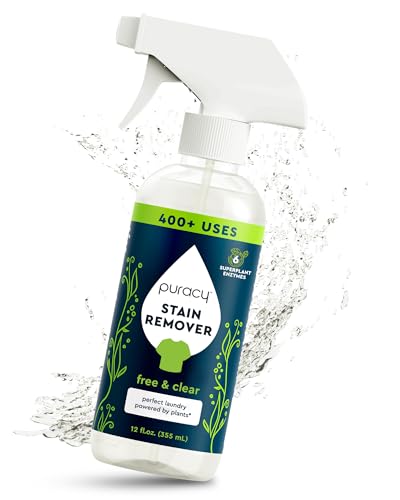
- stain remover spray for delicate bedding duvet fabric
- microfiber cleaning cloths for spot cleaning duvet
- stain remover pen for bedding duvet spots


Before You Start
Prepare a clean, well-lit workspace and check the duvet care tag for any fabric restrictions. Use cold or lukewarm water when testing cleaners and avoid harsh solvents on delicate fabrics. Time estimates vary, but plan 20–40 minutes for initial spot treatment and air drying. Keep pets and children away from the work area during cleaning.
Step-By-Step: How To Spot Clean A Duvet
- Identify the stain type and color. Water-based stains like coffee or juice respond to gentle moisture, while oil-based stains may need a solvent-based approach.
- Test cleaner on a hidden area of the duvet. Apply a small amount and wait 5–10 minutes to ensure there is no color change or damage.
- Blot, don’t rub. Use a microfiber cleaning cloth and dab the stain with light pressure to lift the spill without spreading it.
- Apply a targeted cleaner. For water-based stains, spray lightly with a stain remover spray for delicate bedding duvet fabric. For oil-based stains, dab with a stain remover pen for bedding duvet spots, following product directions.
- Work from the outside in. Gently blot around the edges of the stain to prevent it from widening.
- Rinse or blot with clean moisture. If the duvet care tag allows, use a cloth dampened with clean water to remove residual cleaner, then blot dry with a dry cloth.
- Repeat as needed. If the stain persists, repeat the steps once more or switch to a targeted pen for stubborn spots, ensuring you don’t over-wet the fabric.
- Dry the area. Allow the treated spot to air dry completely before using the duvet again. If possible, speed drying with a fan or by opening to a dry, ventilated area.
- Inspect and finish. Once dry, check that the stain is fully removed and that the fabric texture has not changed.
- Optional refresh. For a uniform feel, launder the duvet following the manufacturer’s care instructions after spot cleaning, if advised by the tag.
- Record keeping. Note which cleaners worked best for future reference and stain types common in your household.
Troubleshooting
| Symptom | Likely Cause | Fix | Prevention |
|---|---|---|---|
| Stain reappears after drying | Partial removal or setting stain | Reapply cleaner and repeat blotting steps; consider a second method | Address stain promptly; avoid over-wetting |
| Fabric feels stiff after cleaning | Residual cleaner or soap buildup | Rinse area with clean water and blot dry | Use minimal cleaner; rinse thoroughly |
| Color fading near treated area | Aggressive cleaner or over-wetting | Stop treatment, test next to area, and use milder method | Test first; follow care tag |
| Stain spreads during cleaning | Rubbing or excessive moisture | Switch to gentle dab method and blot from edge inward | Work calmly; use clean, damp cloth |
Common Mistakes
- Using hot water on delicate duvet fabrics
- Rubbing stains aggressively, which can embed pigment
- Over-wetting the fabric, leading to longer drying times
- Skipping a test area, risking dye transfer or damage
Tips For Best Results
- Test any cleaner on a hidden corner of the duvet before full use.
- Blot, not rub, to preserve fabric texture and reduce fraying.
- Use multiple cleaner types only if necessary and in small amounts.
- Pair spot cleaning with prompt laundering when stains are persistent.
Call A Professional
Seek professional cleaning if the duvet has delicate fillings, a fragile finish, or if stains are extensive and difficult to remove. Stop cleaning and contact a pro if there is bleeding color, a strong odor, or fabric damage observed during testing.
FAQ
Can I use regular laundry detergent for spot cleaning a duvet?
Regular detergent can be too harsh for delicate duvet fabrics; use a stain remover spray for delicate bedding or a specialized stain remover pen designed for bedding spots.
Is it safe to use heat to dry a spot-cleaned duvet?
Avoid high heat; air dry or use a low heat setting as directed by the care tag to prevent fabric damage.
How long should I wait after spot cleaning before using the duvet again?
Allow the treated area to air dry completely, typically 30–60 minutes for light stains, longer for heavier treatments.
What if the stain is oil-based?
Oil-based stains respond to solvent-based spot cleaners or stain remover pens designed for bedding; test on a hidden area first.
Can I machine-wash the duvet after spot cleaning?
Yes, if the care tag allows, but use a gentle cycle with cold water and a mild, duvet-safe detergent.
What are best practices for preventing stains on duvets?
Use a duvet cover, treat spills promptly, and keep a stain-removal kit with the three tools listed above on hand for quick action.
Buying Guide
When choosing stain-removal tools for delicate bedding, consider size, material compatibility, and ease of use. Look for sprays specifically formulated for delicate duvet fabrics to minimize color transfer and fiber damage. Microfiber cloths should be soft, lint-free, and capable of lifting stains without abrasion. A stain remover pen for bedding spots is convenient for targeted, on-the-go treatment. Evaluate how each tool complements your duvet’s fabric type, whether it’s cotton, microfiber, or a delicate blend. For households with frequent spills, a compact, comprehensive kit may provide faster, more consistent results than single-use products.
Buying Guide: Key Factors In Depth
Size and compatibility: Ensure tools fit your duvet’s fabric type and the stain sizes you typically encounter. Noise and energy considerations apply to any compact cleaning device you might pair with this routine, such as a portable heater or fan for faster drying. Availability of user-friendly instructions and clear labeling adds long-term value. Controls: Prefer easy-to-read labels and safety features on stain removers to minimize accidental use on wrong fabrics. Placement: Work in a well-lit, ventilated area with a clean surface to prevent secondary contamination or spreading stains. Compare multiple options to find a balance between effectiveness, fabric safety, and budget.
Leave a Reply