How to Naturally Clean Drains
Natural drain cleaning focuses on removing buildup and preventing clogs without harsh chemicals. This guide provides practical methods using common tools and eco-friendly products to keep sinks, showers, and drains flowing smoothly.
By combining mechanical methods, safe cleaners, and good habits, homeowners can reduce the frequency of clogs while protecting pipes and the environment. The steps below cover immediate fixes and long-term prevention strategies for residential drains.
Quick Answer
Best first approach: start with a plunger to clear minor clogs, then use a manual drain snake for stubborn blockages. If needed, finish with an enzyme-based drain cleaner gel to break down organic buildup without harming pipes.
What You’ll Need
- Manual drain snake auger hand tool for clogged drains — for mechanical dislodging of hair and scale
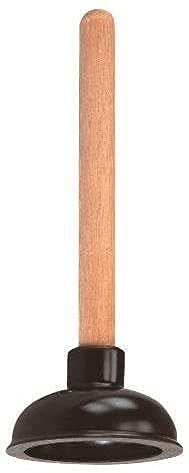
- Plunger for bathroom kitchen sink clogged drains rubber cup — creates suction to loosen obstructions
- Enzyme-based drain cleaner gel eco-friendly 64 oz — biologically active formula to digest organic matter
- Flexible gloves and a bucket to catch mess
- Old towels or rags for clean-up and containment


Before You Start
Assess the area and safety needs before tackling a clog. For every method, wear gloves and avoid mixing chemical cleaners with natural methods. Never pour hot water into a drain if you’re unsure whether a plastic pipe could be damaged by high temperatures. Critical cautions: avoid pouring corrosive substances down the drain, and if you smell gas, see pooling water, or suspect a sewer issue, stop and call a professional.
Time estimates vary: a quick plunge may take a few minutes, a snake job might require 15–30 minutes, and enzymatic treatments typically need several hours or overnight for best results. Prepare the area under the sink by removing accessible items to prevent spills.
Step-By-Step: How To Naturally Clean Drains
- Put on gloves and assemble the plunger for bathroom kitchen sink clogged drains rubber cup and the manual drain snake auger hand tool for clogged drains within reach.
- For light clogs, fill the sink with a shallow amount of water to cover the plunger cup and create a strong seal.
- Place the plunger over the drain and push and pull in a steady motion for 15–30 seconds to generate suction and dislodge the blockage.
- Remove the plunger and check whether water drains. If not, repeat a few more times, then move to the drain snake.
- Insert the snake into the drain, turning the handle clockwise. Feed it slowly until you feel resistance, then rotate to break up the obstruction.
- Pull back the snake gradually, removing debris as it loosens. Extend and retract as needed to clear sections of the pipe.
- Run hot water for several minutes to flush dislodged material down the line. If flow improves but remains slow, repeat the snake steps once more.
- Apply enzyme-based drain cleaner gel eco-friendly 64 oz according to label directions to digest remaining organic matter and prevent future buildup.
- Let the enzyme cleaner work for the recommended time, usually several hours or overnight, then flush with hot water in the morning.
- Monitor the drain over the next days to catch recurring clogs early and repeat maintenance as needed.
- For multi-drain systems (bathroom and kitchen), perform one drain at a time to avoid cross-contamination of different blockages.
- Maintain regular preventative care by using the enzyme cleaner every few weeks as a stabilizing routine.
Troubleshooting
| Symptom | Likely Cause | Fix | Prevention |
|---|---|---|---|
| Slow drainage after cleaning | Buildup deeper in the stack orP hair and soap scum | Repeat snake procedure or use enzyme cleaner; avoid chemical drain cleaners | Use hair catchers; run hot water only after meals and showers |
| Water backs up in one fixture | Partial clog in a shared line | Address with plunger on the affected drain, then snaking if needed | Schedule professional inspection if recurring |
| Gurgling sounds | Air trapped in pipes from partial block | Snaking and flush with enzyme cleaner | Avoid putting large quantities of solids down drains |
| Strong odor | Organic decay in the trap or pipe | Clean trap with hot water and enzyme cleaner; check venting | Periodic cleaning and routine enzyme treatment |
Common Mistakes
- Overreliance on chemical drain cleaners, which can harm pipes and the environment
- Using the plunger on a drain that is not properly sealed
- Forcing the snake beyond resistance, risking pipe damage
- Skipping the trap or vent checks, leading to recurring odors
Tips For Best Results
- Limit the use of solid foods and oils near kitchen drains to reduce buildup
- Regularly clean hair from bathroom drains with a catch-and-clean routine
- Use the enzyme-based cleaner as a preventive step every few weeks
- Keep a small maintenance schedule: one routine flush and enzyme treatment per season
Call A Professional
Seek professional help if a clog persists after multiple attempts with plungers and snakes, especially for multiple fixtures, foul odors with no obvious source, or if you suspect a broken pipe or severe sewer line issue. Signs to call a pro include wastewater backups, gurgling vents, or standing water that won’t drain.
FAQ
Is a natural drain cleaner safe for septic systems?
Yes, enzyme-based cleaners are typically compatible with septic systems because they digest organic material without harming beneficial bacteria. Always follow product directions.
How often should I use an enzyme-based cleaner?
As a preventive measure, every few weeks or monthly, depending on drain usage and local water quality. Do not exceed label recommendations.
Can I use a plunger on all drains?
Plungers work best on toilets and sinks with standard traps. For showers with curved pipes or slow drains, a drain snake may be more effective.
Why does my drain keep clogging after treatment?
Recurring clogs often indicate ongoing buildup or a deeper issue in the plumbing stack. Consider professional inspection if problems persist beyond routine maintenance.
Buying Guide
Choosing the right tools and products for natural drain cleaning involves evaluating size, compatibility, and conditions in the home. The goal is to balance effectiveness with safety for pipes and the environment.
Key buying factors:
- <bSize and reach: Choose a manual drain snake with a flexible, corrosion-resistant body and an adequate length for your plumbing layout.
- <bEffectiveness: Enzyme-based cleaners should target organic buildup and be suitable for your plumbing type (PVC, metal, or galvanized).
- <bNoise and ease of use: Consider a plunger with a reliable seal and manageable handle; a user-friendly snake minimizes effort and risk of damage.
- <bEnergy efficiency and eco-footprint: Eco-friendly cleaners reduce chemical exposure and environmental impact; look for clearly labeled biodegradable formulas.
- <bControls and labeling: Clear instructions, safe storage, and explicit warnings help prevent misuse and ensure proper application.
- <bPlacement and compatibility: Ensure cleaners are safe for septic systems if applicable and suitable for kitchen and bathroom drains alike.
When evaluating combos, consider whether you need a compact toolkit for single-family homes or a more robust kit for multi-drain households. A well-rounded approach often combines a manual drain snake auger hand tool for clogged drains, a reliable plunger for bathroom kitchen sink clogged drains rubber cup, and an enzyme-based drain cleaner gel eco-friendly 64 oz that can be used for preventive maintenance and periodic deep cleanings. This blend supports a practical, chemical-minimizing approach to keeping drains clear all year long.
Leave a Reply