How to Keep Your Hot Tub Clean and Fresh
Maintaining a clean hot tub involves regular water testing, proper filtration, and timely cleaning of surfaces and equipment. With the right routine, you can extend the life of your spa and enjoy bath-like cleanliness after every soak.
Quick Answer
Test water often with a reliable kit to balance pH, alkalinity, and sanitizer. Clean filters regularly to maintain good flow and clarity. Vacuum and wipe surfaces weekly to remove dirt and oils. Use a gentle cleaner on acrylic surfaces and a dedicated spa vacuum head to reach tight spots.
What You’ll Need
- spa test strips 4-way water chemistry kit
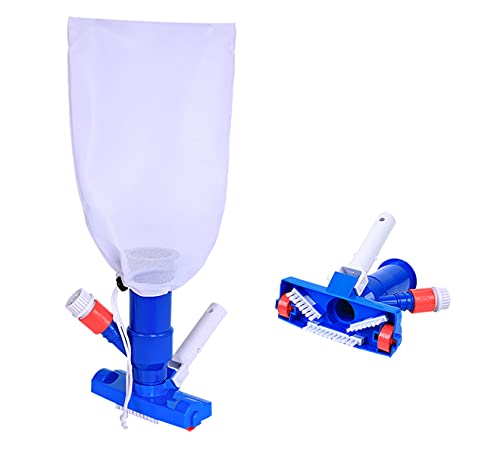
- hot tub vacuum head with pole and hose
- spa filter cleaning brush and wand set


Before You Start
Estimate cleaning time in advance: plan 30–60 minutes for routine maintenance, plus extra time for deep cleaning when needed. Ensure the spa is powered off during any interior cleaning and disconnects any external equipment before starting. Wear gloves if you’re cleaning with chemicals and keep the area well-ventilated. Check local safety guidelines for chemical storage and handling.
Step-By-Step: How To Keep Your Hot Tub Clean
- Test the water using the 4-way water chemistry kit to establish baseline pH, total alkalinity, sanitizer, and calcium hardness.
- Adjust pH and alkalinity first, following the kit’s color guide and the manufacturer’s recommendations for your spa model.
- Shock the water if needed to remove organic contaminants, then allow the jets to circulate for 20–30 minutes before testing again.
- Inspect and clean the filter: remove the filter cartridge and rinse with a hose; use the spa filter cleaning brush and wand set for stubborn debris.
- Vacuum the spa floor with the hot tub vacuum head with pole and hose to remove settled dirt and debris from hard-to-reach areas.
- Wipe down interior surfaces with a soft cloth and a cleaner specifically formulated for acrylic spa shells; avoid abrasive cleaners.
- Rinse the shell after cleaning to remove any residue that could dull the surface or affect water chemistry.
- Replace the filter and run a a thorough filtration cycle (usually 4–6 hours) to restore clear water and balanced chemistry.
Troubleshooting
| Symptom | Likely Cause | Fix | Prevention |
|---|---|---|---|
| Cloudy water | Imbalanced chemistry or dirty filter | Test and adjust; clean or replace filter | Test weekly; clean filter monthly |
| Strong chemical odor | High sanitizer level or contamination | Rinse surfaces; dilute water if advised; re-test | Follow dosing directions precisely |
| Slimy surfaces | Biofilm buildup | Shock treatment; deep clean shell and filter | Regular cleaning schedule |
| Filters clogging quickly | Excess debris or oils | Rinse and brush; replace if worn | Remove debris from users; use spa cover |
Common Mistakes To Avoid
- Skipping regular water testing or over-relying on one chemical
- Using household cleaners on the spa shell
- Neglecting the filter between cleanings
- Over-cleaning or using abrasive tools on acrylic surfaces
Tips For Best Results
- Test and balance water at a consistent time each week for stability.
- Run the filtration cycle during off-peak hours to optimize energy use.
- Keep the spa covered when not in use to minimize debris and chemical loss.
- Use a dedicated spa vacuum head with a long reach to clean hard-to-reach corners.
- Record test results in a simple log to track trends and anticipate adjustments.
Call A Professional
Consider contacting a pro if you notice persistent cloudy water, persistent odors despite balancing chemicals, or recurring filter clogs. Seek professional help if there are signs of algae blooms that resist standard shock treatment, or if you suspect a pump or heater malfunction that affects water quality.
FAQ
How often should I test my hot tub water?
Test at least twice a week during heavy use and weekly during lighter use periods.
How often should I replace spa filters?
Inspect monthly and replace when there are signs of wear or reduced flow.
Can I use household cleaners to wipe the shell?
No. Use cleaners formulated for acrylic spa shells to avoid damage.
What should I do if water looks cloudy even after cleaning?
Re-test water, shock if needed, and review filtration and turnover time; deep clean the shell and filter if required.
Is it safe to leave the cover on during cleaning?
Yes, but ensure good ventilation and that chemicals are properly balanced to prevent chemical imbalances when opened.
Buying Guide
Choosing the right equipment can simplify maintenance. Consider size, noise, energy use, controls, and placement when evaluating tools.
- <bSize and compatibility: Ensure tools fit your spa model and reach to accessible areas without overextending.
- <bNoise level: Look for quiet operation, especially for outdoor setups near living spaces.
- <bEnergy efficiency: Energy-efficient filtration cycles save on electricity over time.
- <bControls and compatibility: Prefer simple control integration with your spa’s existing system.
- <bPlacement and storage: Choose compact tools that store neatly and don’t clutter your spa area.
When comparing options, think about how often you’ll use each tool and the typical water conditions you encounter. A combined approach—quality test strips, a reliable vacuum head, and a sturdy filter cleaning set—often yields the best long-term results. If you manage a busy household or multiple hot tubs, investing in durable gear can save time and effort over the seasons.
Leave a Reply