How to Keep Your Dishwasher Clean
Maintaining a clean dishwasher helps ensure spotless dishes, better performance, and longer appliance life. This guide walks through practical steps to remove buildup, keep seals and filters functioning, and prevent odors using common tools and proven methods.
With routine care, a dishwasher can run efficiently while using fewer resources. The plan below emphasizes safe cleaning practices, suitable products, and a straightforward maintenance rhythm that fits a busy American home.
Quick Answer
Do a monthly deep clean focusing on gaskets, filters, and spray arms; use a dedicated cleaner tablet monthly in the wash cycle or a vinegar-and-baking-soda routine for quick refreshers. Spot-clean seals weekly to prevent mold and odors.
What You’ll Need
- Dishwasher gasket cleaning brush nylon bristle
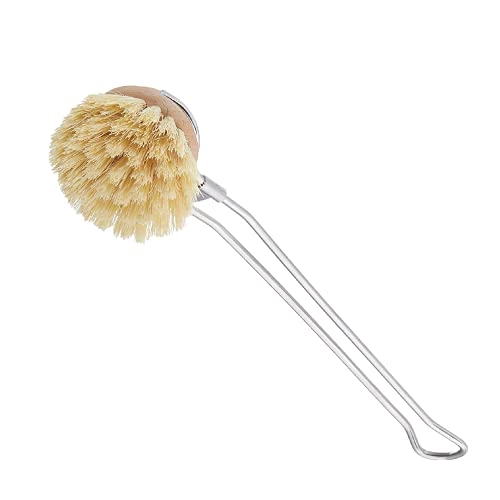
- Dishwasher filter cleaning brush stainless steel handle
- Automatic dishwasher cleaner tablets


Before You Start
Before cleaning, ensure the dishwasher is cool and empty. For safety, unplug the unit or switch off its circuit breaker if you engage in more intensive cleaning. Inspect the door seal for cracks or rips and replace if needed, as leaks can worsen buildup. Plan a cleaning window of about 60–90 minutes for a thorough refresh, or perform quick tasks in 15–30 minutes for maintenance between deep cleans. Avoid mixing cleaners that could release harmful fumes and follow manufacturer guidelines for tablets and cleaners.
Step-By-Step: How To Keep Your Dishwasher Clean
- Remove racks and scrape large food particles from the tub interior, paying attention to corners where debris hides.
- Clean the door gasket with the nylon bristle brush, focusing on the creases where mold can accumulate.
- Wipe down the interior walls with a damp cloth and a mild, non-abrasive cleaner to remove residue and mineral deposits.
- Clean the spray arms by removing them if possible and rinsing the jets with warm water to unclog any blocked holes.
- Run a cleaning cycle with an automatic dishwasher cleaner tablet according to the product directions for a full system cleanse.
- For a quick refresh, run a cycle with a cup of white vinegar placed in a dishwasher-safe container on the upper rack, followed by a short hot-water rinse.
- Clean the filter with a dedicated dishwasher filter cleaning brush and rinse under running water until free of debris.
- Inspect and wipe the interior surfaces, including your rinse aid dispenser, to remove any film or buildup.
- Reinsert racks and run an empty cycle on hot to dry any remaining moisture and prevent odors.
- Schedule a monthly deep clean and a bi-weekly light wipe-down of seals to maintain a fresh, efficient system.
- Keep a routine to rinse dishes before loading to minimize food buildup and reduce the need for frequent deep cleaning.
- Record any recurring odors or leaks and address them promptly with appropriate parts or professional service if needed.
Troubleshooting
| Symptom | Likely Cause | Fix | Prevention |
|---|---|---|---|
| Bad odor after cycles | Food residue and mold on door seal or filter | Deep clean gasket and filter; run cleaner tablet | Regular quick cleans and rinse dishes before loading |
| Dishes come out wet | Rinse aid not dispensing or clogged spray arms | Check dispenser, refill rinse aid, clean spray arm jets | Keep dispenser clean and use proper cycles |
| Water not draining | Clogged drain or filter | Clean filter and check drain hose for kinks | Inspect periodically and remove debris |
| Gasket shows cracks | Wear and tear on door seal | Replace gasket to prevent leaks | Clean seal regularly to extend life |
Common Mistakes
- Using abrasive cleaners that scratch the tub and seals
- Neglecting the door gasket and filter during routine cleanings
- Overloading the dishwasher, which traps debris and impedes cleaning
- Using too much detergent, which can leave residue and foaming problems
Sticking to the recommended cleaners and a consistent cleaning cadence reduces these issues and keeps the appliance singing clean.
Tips For Best Results
- Run an empty cycle with an automatic cleaner tablet every 1–2 months for a thorough system cleanse
- Wipe the door and gasket with a microfiber cloth after each use to limit buildup
- Check spray arms for clogs and ensure even water distribution for best results
- Use the right amount of detergent; follow the manufacturer’s guidelines for water hardness in your area
- Keep the dishwasher vent free of obstruction to maintain proper drying and odor control
Call A Professional
Call a professional if you notice persistent leaks, unusual noises, or standing water that does not drain after basic troubleshooting. If replacement parts are needed (gasket, filter, or spray arms) and you are unsure about installation, seek expert assistance to avoid damage or safety risks.
FAQ
How often should I clean the dishwasher gasket?
Clean the gasket during each maintenance session to remove buildup and prevent mold growth.
Can I use vinegar and baking soda together in a dishwasher?
Yes, but avoid mixing with certain cleaners. Use vinegar for a quick rinse and baking soda for deodorizing, following safe guidelines.
What cleaning agents are safest for stainless steel components?
Choose non-abrasive cleaners and products labeled safe for stainless steel; avoid acid-heavy solutions on metal parts.
Is it okay to clean filters with a brush?
Yes, a dedicated brush with a stainless steel handle helps remove debris without damaging the filter.
How do I prevent odors between deep cleans?
Wipe down the interior, run hot water cycles, and ensure proper drainage and drying after cycles.
Buying Guide
When choosing tools and products to maintain a clean dishwasher, consider size, compatibility, and ease of use. A well-chosen set of tools helps extend appliance life and maintain efficiency.
Key Buying Factors
- <bSize and fit: Ensure brushes and tools match your dishwasher’s interior dimensions and seal design. A compact nylon-bristle brush is typically gentle on gaskets.
- <bMaterial quality: Stainless steel handles and durable bristles resist wear and provide longer life in damp environments.
- <bCleaning power: Look for tablets formulated for automatic dishwashers and avoid products that leave residues or require heavy scrubbing.
- <bEase of use: Ergonomic handles and simple bristle patterns make routine maintenance faster and more comfortable.
- <bCompatibility: Ensure items are safe for dishwasher use and don’t contain harsh chemicals that could degrade seals.
- <bCost and value: Assess whether a multipack or single items better fit your cleaning cadence and budget.
- <bPlacement and storage: Choose compact tools that store neatly under the sink or in a cleaning caddy, keeping them accessible but out of the way.
With the right tools and a steady maintenance routine, keeping your dishwasher clean becomes a straightforward part of kitchen care. Would you like help selecting specific models of the cleaning brushes or cleaners that best fit your dishwasher size and water hardness?
Leave a Reply