How to Keep Patio Furniture Clean: A Practical Guide
Patio furniture adds comfort and style to outdoor spaces, but exposure to sun, rain, and seasonal grime can dull its look. A straightforward, label-safe cleaning routine helps maintain beauty and longevity without harsh methods. This guide covers simple steps and the right tools to keep wicker, wood, plastic, and metal furniture looking fresh.
Quick Answer
Best approach: start with dry brushing to remove loose dirt, wipe with a gentle cleaner or spray, scrub stubborn spots with a stiff-bristle brush, rinse thoroughly, and finish with microfiber drying towels for a spotless dry.
What You’ll Need
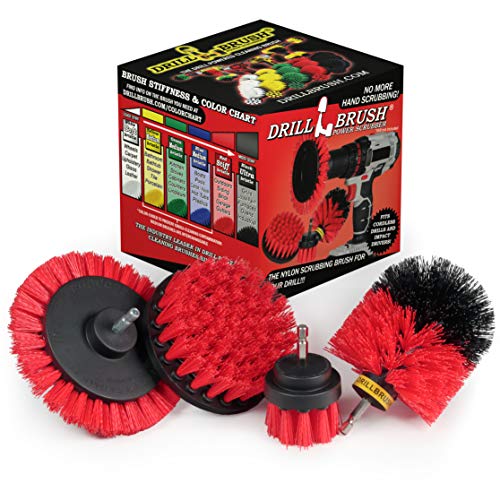
- Stiff-bristle outdoor patio furniture cleaning brush set for wicker and plastic
- Outdoor furniture cleaner spray for wood wicker metal 32oz
- Microfiber drying towels for patio furniture cleaning and drying pack


Before You Start
Prepare a clean, shaded workspace to prevent rapid drying of cleaners and water spots. Protect nearby plants and landscaping by using a spray nozzle on your hose and avoiding overspray. Time your cleaning for mild weather, ideally when the sun is not blazing. Wear gloves if you have sensitive skin and test cleaners on a small, inconspicuous area first to ensure no discoloration.
Step-By-Step: How To Keep Patio Furniture Clean
- Remove loose debris with a dry, soft-bristled brush or cloth, paying attention to corners and between slats.
- Mix or apply your chosen outdoor furniture cleaner spray according to the product instructions, targeting wicker, wood, metal, and plastic surfaces as appropriate.
- For wicker and textured surfaces, use the stiff-bristle brush to lift embedded grime without damaging fibers.
- Scrub gently on wooden surfaces using a circular motion to avoid scratch marks and to lift tough stains.
- Rinse thoroughly with a garden hose at a moderate jet setting, ensuring all cleaner residue is removed.
- Wipe down with microfiber drying towels to absorb moisture and prevent water spots; repeat on shaded areas until dry.
- Inspect for remaining stains or rust spots. Apply targeted cleaner or a rust remover if needed, following the product’s safety guidance.
- Allow furniture to air-dry completely before adding cushions or sitting to prevent mildew growth.
Troubleshooting
| Symptom | Likely Cause | Fix | Prevention |
|---|---|---|---|
| Stubborn stains on wicker | Deep-set grime or tannins | Spot-treat with cleaner and scrub with a stiff brush | Clean regularly to prevent buildup |
| Rings or water spots after drying | Uneven drying | Wipe with microfiber towels and air-dry in shade | Dry promptly after washing |
| Rust on metal frames | Exposure to moisture | Use metal-safe cleaner or rust remover as directed | Keep surfaces dry and apply a protective coating |
| Discoloration after cleaning | Incompatible cleaner with surface | Test on a hidden area and switch products if needed | Choose cleaners labeled for specific materials |
Common Mistakes
- Using abrasive brushes or scrubbers on delicate wicker or plastic fibers
- Leaving cleaner on surfaces for too long, causing residue or damage
- Neglecting to rinse thoroughly, leading to streaks or sticky residues
- Ignoring cushions and fabric frames, which can harbor mold if left damp
Tips For Best Results
- Clean in shady or overcast conditions to prevent quick drying that can leave streaks
- Test cleaners on a small area before full application
- Use separate towels for damp and dry sections to avoid cross-contamination
- Schedule seasonal cleans to maintain appearance and extend lifespan
Call A Professional
Consider professional help if you notice structural damage, persistent rust that worsens, or upholstery issues that require specialized treatment. Seek a pro when cleaning wicker that has become brittle or when metal frames show deep corrosion that may compromise safety.
FAQ
Can I use household cleaners on patio furniture?
Yes, but choose cleaners formulated for outdoor materials and test first to avoid damage.
How often should I clean patio furniture?
Light cleaning every few weeks during peak season and a deeper clean every 2–3 months helps prevent buildup.
Is it safe to use a power washer?
Power washers can damage wood and wicker; use a low-pressure setting or avoid if uncertain.
How do I protect furniture after cleaning?
Allow surfaces to dry completely and consider applying a protective spray designed for outdoor furniture.
Buying Guide
Choosing cleaning products that suit your furniture is essential. Consider material compatibility, cleaning strength, and application ease. When evaluating options, ask:
- Size and concentration: Will the bottle last through your usual cleaning frequency?
- Material compatibility: Do cleaners specify wicker, wood, metal, or plastic on the label?
- Packaging: Is the spray bottle easy to apply in corners or under cushions?
- Drying performance: Do microfiber towels or lint-free cloths come with the kit?
- Safety and environmental impact: Are cleaners non-toxic and safe for outdoor use?
For readers balancing maintenance with convenience, the bundled approach using a stiff-bristle brush set, a dedicated outdoor cleaner spray, and microfiber drying towels often provides a complete cleaning solution. If outdoor space hosts a mix of materials, a versatile cleaner labeled for multiple surfaces plus a quality brush set can simplify routines and deliver consistent results.
Leave a Reply