How to Keep Hair Clean Longer With Scalp Tools
Keeping hair looking fresh between washes is a common goal for many Americans. The right scalp tools can help manage oil, remove buildup, and extend the interval between shampoos with less effort. This guide focuses on practical techniques using a silicone scalp exfoliating brush, a dry shampoo brush, and a scalp massager silicone brush to maintain a clean, healthy scalp and hair feel.
Below you’ll find a quick overview, a practical shopping list, step-by-step procedures, troubleshooting tips, and expert guidance to help you choose and use these tools effectively.
Quick Answer
Best overall approach: combine light scalp exfoliation, targeted oil control with a dry shampoo brush, and gentle massaging to distribute moisture and cleaner between full washes. Use these tools in a routine that suits your hair type and lifestyle, aiming to minimize washing frequency without sacrificing scalp health.
A Quick Look At What You’ll Need
The following tools are commonly used to extend time between full washes while keeping the scalp clean and comfortable. Each item serves a specific role in managing oil, buildup, and comfort.
Product keywords are drawn from the list below to align with common consumer search terms and practical usage:
- Silicone scalp exfoliating brush for scalp cleansing
- Dry shampoo brush for oil control
- Scalp massager silicone brush for washing and exfoliating
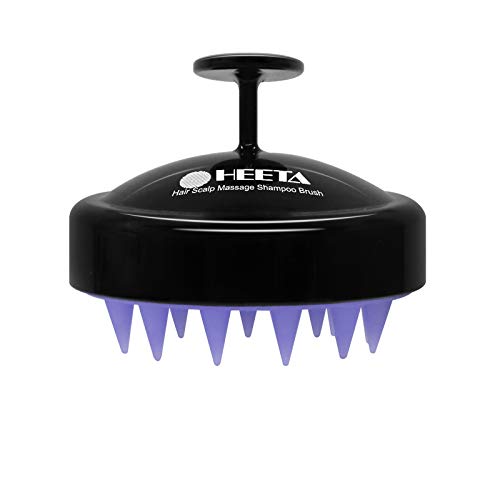


Before You Start
Preparation sets the stage for safe, effective cleaning between full washes. Ensure the scalp and hair are not irritated, and choose the right routine for your hair type—that is, how oily your scalp runs, how easily it accumulates product residue, and whether you have a sensitive skin condition.
Time estimate: 5–15 minutes per session, depending on routine depth and hair length. Safety note: test any new brush on a small scalp patch if you have sensitive skin or a history of dermatitis. Avoid aggressive scrubbing, which can irritate the scalp and trigger overproduction of oil afterward.
Choose a comfortable water temperature for rinsing tools, and keep brushes clean between uses to prevent re-depositing oils or dead skin cells.
Step-By-Step: How To Keep Hair Clean Longer With Scalp Tools
- Start with a dry scalp check: run a quick finger comb to assess oil level and identify any dry patches or flakes.
- Use the silicone scalp exfoliating brush for a gentle cleanse: apply in small circular motions across the crown, sides, and back of the head to loosen buildup and distribute natural oils away from roots.
- Rinse the brush often during brushing to prevent transferring oil back to hair and scalp.
- Apply the dry shampoo brush for targeted oil control: dust or lightly brush along the hairline, part lines, and the mid-lengths where oil accumulates most; this helps distribute dry shampoo evenly rather than piling product at the roots.
- Work with a dry shampoo brush by brushing downward away from the scalp to avoid pushing oil into the hair shaft.
- Use the scalp massager silicone brush to distribute moisture and stimulate circulation: gently massage the scalp in slow, firm strokes for 1–2 minutes after applying any dry shampoo or product to help blend residues and reduce oil buildup.
- Lightly brush the lengths and ends to prevent tangling while ensuring any residue is carried down and away from the scalp.
- Shake out or air-dry hair after brushing to minimize dampness that can contribute to oil buildup between washes.
- Assess the outcome: hair should feel lighter at the scalp and look cleaner, with reduced visible oil along the roots.
- Adjust frequency: if hair feels overly dry or overly oily, tailor the routine by changing brush pressure, brushing duration, or the amount of dry shampoo used.
- Develop a routine cadence: most people find benefits from 2–4 days between full washes, with daily or every-other-day scalp care as needed.
- Maintain brush hygiene: rinse brushes with warm water, remove buildup, and air-dry completely after each use to prevent bacterial growth.
Troubleshooting
| Symptom | Likely Cause | Fix | Prevention |
|---|---|---|---|
| Oily appearance returns quickly | Over-application of oils or inadequate distribution | Adjust brush pressure and distribution; use the dry shampoo brush more evenly | Balance washing cadence with oil production; avoid over-washing triggers |
| Dry, irritated scalp after brushing | Excessive exfoliation or harsh brushing | Switch to lighter pressure; limit exfoliation sessions | Use a softer touch; hydrate scalp with gentle products |
| Product residue visible in hair | Over-application of dry shampoo or insufficient brushing | Reduce product amount; brush more thoroughly or use a clarifying rinse occasionally | Apply products sparingly and distribute evenly |
| Brushing causes tangles | Inadequate detangling before brushing with tools | Detangle gently with a wide-tooth comb prior to scalp brushing | Use brushes with flexible bristles and long, smooth strokes |
Common Mistakes To Avoid
- Brushing too aggressively, which can irritate the scalp and stimulate excess oil production.
- Overloading brushes with product, leading to residue that attracts more oil and dirt.
- Using the same brush for both exfoliation and oil control without cleaning between uses.
- Neglecting brush hygiene, allowing bacteria to accumulate on bristles.
Tips For Best Results
- Combine routine with a gentle cleansing shampoo on the days you wash to reset buildup without stripping scalp oils completely.
- Test products on a small scalp area first if you have sensitive skin or a history of dermatitis.
- Choose tools with soft, flexible bristles and comfortable handles to reduce strain during longer sessions.
- Schedule routine changes with your lifestyle—for example, work-from-home days may be ideal for longer scalp care sessions without needing immediate styling.
- Store tools in a clean, dry place to prevent mold or bacterial growth on bristles.
Call A Professional
If you notice persistent scalp issues such as extreme itchiness, redness, rash, or hair loss, stop using tools and consult a dermatologist or trichologist. Seek professional advice if you have a diagnosed scalp condition, exceptionally sensitive skin, or if you experience allergic reactions to any product or material used in these tools.
FAQ
Can I use these tools every day?
Yes, but start slowly and monitor how your scalp responds. Daily use might be suitable for very oily scalps, while others may benefit from a few sessions per week.
Will using a dry shampoo brush damage my hair?
When used correctly, it helps distribute the product evenly and prevents buildup at the roots. Avoid over-application and excessive brushing.
Are silicone brushes better than nylon brushes?
Silicone brushes are typically gentler on the scalp and easier to clean, reducing the risk of bacteria buildup between uses.
How do I clean these brushes?
Rinse with warm water after use, remove hair if needed, and let dry completely in a well-ventilated area.
Can I replace dry shampoo with the brushes alone?
Brushing helps distribute products and manage oil, but most people still benefit from periodic cleansing and, when needed, dry shampoo for sustained freshness between washes.
Buying Guide
The Buying Guide helps readers compare options and select tools that fit their needs and lifestyle. Consider size, noise level, energy efficiency, controls, and placement when choosing scalp tools and related products.
Size matters: Choose brushes that fit comfortably in your hand and reach all areas of the scalp. Larger brushes cover more area, while compact brushes are easier to maneuver for short sessions or travel.
Noise level: Some massagers can be louder than others. If you prefer a quiet routine, look for low-noise designs or manual silicone brushes without motorized components.
Energy efficiency: If you opt for powered massagers, select energy-efficient models with long battery life and low standby drain for daily use.
Controls: Simple, intuitive controls reduce the risk of applying too much pressure or using the wrong setting. Look for ergonomic handles and accessible speed options.
Placement: Consider where you’ll store and use the tools. Dry, ventilated spaces prevent moisture buildup, and a dedicated bin or bag keeps brushes clean between uses.
Using multiple tools: For best results, combine a silicone scalp exfoliating brush for cleansing, a dry shampoo brush for oil control, and a scalp massager silicone brush for even product distribution and stimulation. This multi-tool approach often yields cleaner scalps with less frequent full washes.
Maintenance: Regular cleaning and drying after use extend tool life and maintain hygiene. Look for materials that are easy to clean and keep dry between sessions.
Leave a Reply