How to Keep Hair Clean Between Washes
Maintaining fresh-looking hair between shampoos is a common challenge, especially for those with oily scalps or active lifestyles. By using targeted tools and smart techniques, you can extend the time between washes without sacrificing scalp health or hair appearance. This guide outlines practical steps, safe practices, and quick fixes to help you stay confident every day.
Quick Answer
Use a combination of a lightweight dry shampoo spray for oily hair to absorb excess oil, scalp cleansing wipes for between-wash refreshment, and a scalp scrub brush oil control exfoliating brush to gently remove buildup. Apply products mainly at the roots, let them work, and brush or comb through to distribute evenly. Schedule regular deep cleanses to prevent buildup while preserving moisture elsewhere on the hair.
What You’ll Need
- Dry shampoo spray for oily hair 5 oz bottle – quick oil absorption and refreshed volume
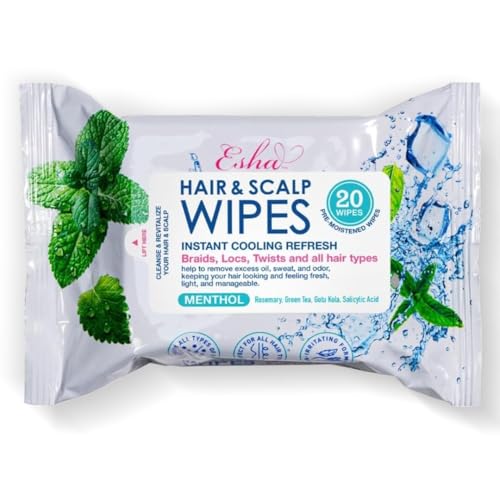
- Scalp cleansing wipes for hair between washes – convenient, on-the-go scalp and root quick cleans
- Scalp scrub brush oil control exfoliating brush – gentle exfoliation to remove buildup


Before You Start
Plan short sessions to refresh your scalp rather than a full wash. Allow at least a few hours between treatments and avoid brushing the scalp aggressively, which can stimulate more oil production. Test all products on a small patch of skin first to rule out irritation. If you have a sensitive scalp or seborrheic dermatitis, consult a dermatologist before using exfoliating brushes or chemical sprays.
Recommended time estimates: quick refresh (5–10 minutes); deeper refresh (15–20 minutes, including dry shampoo drying time). Prepare a clean mirror, a comfortable chair, and a well-ventilated area to minimize residue transfer onto clothing.
Step-By-Step: How To Keep Hair Clean Between Washes
- Start with dry hair and a clean scalp surface. If you’ve exercised or sweated heavily, wipe the scalp with a scalp cleansing wipe to remove surface oil and sweat.
- Shake the dry shampoo spray for oily hair well. Hold the bottle a few inches away from the roots to avoid over-application and sprinkle a light veil across the crown and zones where oil collects.
- Let the dry shampoo sit for 1–2 minutes to absorb grease, then massage the roots with fingertips to distribute the product and reveal a lifted appearance.
- For stubborn buildup or a refreshed scalp, use the scalp scrub brush oil control exfoliating brush with a light, circular motion at the scalp. Focus on areas with visible shine or flaking without scrubbing too hard.
- Brush or comb through the hair from roots to ends to distribute product evenly and remove any excess powder. This helps prevent white residue and keeps strands looking natural.
- Reassess your look. If oil remains near the scalp, apply a second light layer of dry shampoo only where needed, avoiding mid-lengths to prevent buildup on the shaft.
- Optionally, use a scalp cleansing wipe again along the hairline to restore a fresh feel before heading out.
- Finish with a soft brush stroke to smooth the hair and add a touch of light styling product only if needed to maintain a natural texture.
- Schedule a deeper cleanse every few days to prevent chronic buildup. Alternate with a regular wash if your scalp becomes itchy or overly oily.
- Store products away from direct sunlight and in a cool, dry place to maintain efficacy and avoid clumping in hot conditions.
- Keep a routine: set reminders to refresh on busier days and adjust product amounts based on your hair length and oil production patterns.
- When in doubt, test a small area of the scalp with any new product and monitor for irritation or sensitivity over 24–48 hours before full use.
Troubleshooting
| Symptom | Likely Cause | Fix | Prevention |
|---|---|---|---|
| White residue after dry shampoo | Over-application or insufficient brushing | Use less product; brush thoroughly | Apply in lighter layers; wait and comb |
| Greasy roots after use | Product not suited for extremely oily scalp | Switch to a stronger oil-control formula; re-apply lightly | Identify scalp oil level and adjust routine |
| Scalp irritation from exfoliating brush | Over-scrubbing or sensitive skin | Reduce pressure; limit to twice weekly | Patch test; rinse thoroughly after use |
| Dull hair between washes | Product buildup on hair shaft | Focus application at roots only; avoid mid-lengths | Deep cleanse periodically with a gentle clarifier |
Common Mistakes
- Over-applying dry shampoo and scrubbing too aggressively, which can irritate the scalp and leave residue.
- Relying on dry shampoo for too many consecutive days without any washing, leading to buildup and odor.
- Using products designed for other hair types without considering scalp oil levels and hair texture.
- Not brushing out the product, which can create visible flakes or stiffness in the hair.
Tips For Best Results
- Match product choice to hair type: a gentle exfoliating brush is best for normal to oily scalps but should be used with care on sensitive skin.
- Apply dry shampoo in the morning or after workouts to maximize oil absorption during the day.
- Rotate between different products to prevent scalp adaptation and maintain effectiveness.
- Keep your scalp hydrated with a light leave-in conditioner away from the roots to avoid weighing hair down while maintaining scalp health.
Call A Professional
If you notice persistent itchiness, redness, flaking beyond typical oiliness, or if you have a diagnosed scalp condition, consult a dermatologist or licensed trichologist. Seek professional advice promptly for signs of dermatitis, scalp infections, or unusual hair loss.
FAQ
Can I use dry shampoo every day?
Yes, but limit to small, targeted applications and monitor scalp reaction. Give the scalp a break if irritation occurs.
Will exfoliating brush damage my hair?
When used gently and not on wet, fragile hair, the brush helps remove buildup without harming strands.
How often should I deep-clean my scalp?
Every 1–2 weeks, or as needed based on oil production and activity level.
Is cleansing wipe safer than washing?
Clean wipes are convenient for between washes but do not replace regular cleansing; pair with dry shampoo for best results.
Buying Guide
When choosing between products for keeping hair clean between washes, consider size and portability, noise level (for any spray application), energy efficiency (battery-free or rechargeable options for brushes), controls, and placement. Think about how you typically manage oil at the scalp, your activity level, and your hair type. For example, a compact dry shampoo spray for oily hair 5 oz bottle is ideal for gym bags or purses, while a dedicated scalp scrub brush oil control exfoliating brush suits routine deep cleans at home. If you travel often, look for wipes and sprays in travel-friendly packaging. Finally, check product compatibility with sensitive skin and the presence of fragrance or dyes if you have sensitivities. Reading user reviews and product labels helps you identify whether a formula relies on talc, baking soda, or silica for oil absorption and how well it distributes through the roots. This balanced approach ensures you select tools that enhance freshness without sacrificing scalp health.
Leave a Reply