How to Keep Floors Clean With Dogs
Dogs bring joy, but they can also bring dirt, shed fur, and occasional accidents indoors. This guide provides practical, American-friendly steps to maintain clean floors on hardwood surfaces while living with dogs. A focused routine using the right tools can reduce daily grime and keep your home looking fresh.
Quick Answer
For busy households with dogs, establish a daily swift cleaning routine using a dedicated robot vacuum for pet hair on hardwood floors, a microfiber mop designed for pet hair, and a trusted enzymatic urine remover for occasional accidents. Quick daily touch-ups plus a thorough weekly deep clean help maintain spotless floors and a healthier living space.
What You’ll Need
- Robot vacuum for pet hair hardwood floors — efficiently removes fur and dander from large areas.
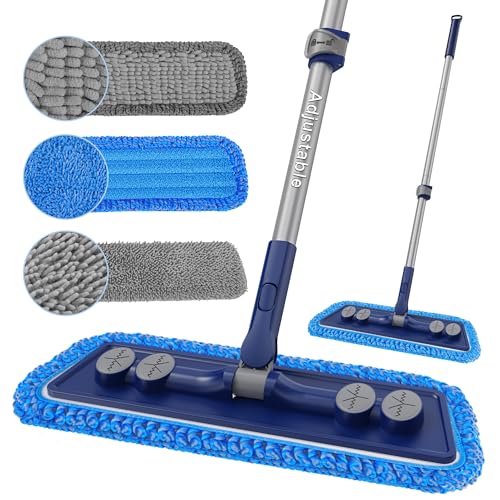
- Microfiber mop for pet hair and hardwood floors — captures fine debris without scratching wood.
- Enzymatic pet urine remover cleaner 32oz hardwood floors — neutralizes odors and prevents re-soiling.


Before You Start
Prepare the area by picking up toys and loose items. Vacuum or sweep to remove loose fur before damp mopping. Test cleaners on a small, inconspicuous area of the floor to ensure no discoloration. Schedule time: a quick daily pass (10–15 minutes) plus a deeper weekly clean (30–60 minutes). Important: avoid excessive moisture on hardwood to prevent warping; follow manufacturer guidelines for each product and allow floors to dry completely after cleaning.
Step-By-Step: How To Keep Floors Clean With Dogs
- Set up the robot vacuum for pet hair hardwood floors on a daily patrol route that covers living areas, hallways, and entryways where dogs frequent.
- Use the microfiber mop for pet hair and hardwood floors for targeted touchups: lightly dampen the mop and follow the grain to lift hair and residual dust.
- Schedule automatic cleaning times if the robot vacuum supports it, aligning with dog nap times to minimize distractions and maximize efficiency.
- Place washable runners or mats at entry points to trap mud and reduce tracked dirt on hardwood surfaces.
- Spot-clean accidents immediately with the enzymatic pet urine remover cleaner 32oz hardwood floors, following product directions for contact time and rinsing if needed.
- Use a dry microfiber cloth to wipe up any remaining moisture after enzymatic cleaning to prevent wet spots on wood floors.
- Implement a weekly deep-clean routine: vacuum, mop, and re-wax or seal high-traffic zones as recommended by floor manufacturers.
- Groom dogs regularly to reduce shedding, brushing hair before it ends up on floors and furniture.
- Establish a designated dog zone with a washable mat and easy-to-clean flooring to confine messes in one area when possible.
- Review and replace mop heads and vacuum filters as needed to maintain optimal suction and cleaning efficiency.
- Inspect the hardwood for scratches or wear; use protective pads on furniture legs and area rugs under heavy traffic to preserve finish.
- Keep a small cleaning kit handy with enzymatic cleaner and microfiber cloths for quick response to accidents or spills.
Troubleshooting
| Symptom | Likely Cause | Fix | Prevention |
|---|---|---|---|
| Persistent odors after cleaning | Residual urine odor or inadequate enzymatic treatment | Reapply enzymatic cleaner and allow dwell time; repeat | Address accidents promptly; use enzymatic cleaner regularly in high-traffic areas |
| Fur and dust still visible after mopping | Dry mop residues or ineffective mop head | Switch to fresh microfiber mop head; dampen slightly for better pickup | Bathe dogs regularly; maintain weekly cleaning schedule |
| Water spots or warping on hardwood | Excess moisture during cleaning | Use a barely damp mop; dry floors after cleaning | Follow wood-finish guidelines; avoid soaking floors |
| Robot vacuum clogging with hair | Heavy shedding in the area | Empty dustbin more often; check brushes and filters | Brush dogs before indoor sessions; use tangle-free tools |
Common Mistakes
- Using too much water on hardwood floors during mopping, which can cause damage.
- Relying on a single cleaning method and neglecting routine maintenance.
- Ignoring carpeted transitions or rugs that trap dirt and fur, letting debris spread to wood floors.
- Neglecting to test cleaners in a hidden area before full use on wood finishes.
- Postponing prompt treatment of accidents, leading to stubborn stains and odors.
Tips For Best Results
- Run the robot vacuum for pet hair hardwood floors daily for fur control and to reduce debris buildup.
- Choose a microfiber mop for pet hair and hardwood floors with a washable pad to save money and improve cleaning power.
- Rotate cleaning days to include both the robot vacuum and damp mopping for thorough results.
- Keep sleeping and play areas on areas with mats to reduce dirt transfer onto wood.
- Regularly inspect and maintain floor finishes; refinishing may be needed after heavy wear.
Call A Professional
Seek professional help if the floor shows deep scratches, cupping, warping, or persistent staining despite regular cleaning. Consider a floor specialist for refinishing and a plumber or veterinarian if dog health issues contribute to frequent accidents or odor problems.
FAQ
Can a robot vacuum replace a mop for dog-friendly homes?
Robot vacuums are excellent for daily fur and dirt removal, but damp mopping with a microfiber mop provides deeper cleaning and odor control. Use both for best results.
What should I do immediately after my dog urinates on wood floors?
Blot up excess liquid, then apply an enzymatic cleaner per label instructions and allow it to sit for the recommended time before wiping dry.
How often should I deep clean hardwood floors in a home with dogs?
Plan a thorough weekly clean that combines vacuuming and damp mopping, with occasional refinishing checks every few years depending on wear.
Are there specific products that protect hardwood floors from dog scratches?
Use protective pads on furniture, area rugs in high-traffic zones, and finish-safe cleaners to minimize wear and keep the wood protected.
Do I need to seal my hardwood floors for dog ownership?
Many hardwoods benefit from a protective seal or finish suitable for pets; consult your flooring manufacturer’s guidelines for the best finish for your home.
Buying Guide
When choosing tools to keep floors clean with dogs, consider several factors that influence performance and long-term value.
- Size and layout: A larger home benefits from a robot vacuum with strong suction and wide coverage, plus a compact mop for tight spaces.
- Noise level: Quiet models help reduce stress for dogs during cleaning sessions.
- Energy efficiency: Look for efficient motors and low-maintenance parts to minimize running costs.
- Controls and scheduling: Features like app scheduling, mapping, and voice control improve workflow in busy households.
- Placement and storage: Choose devices and cleaners that fit your storage space and cleaning routine, with easy access near dog areas.
- Durability and maintenance: Pets can cause more wear; select rugged tools with replaceable heads and washable pads.
- Compatibility with finishes: Verify that cleaners are safe for your hardwood finish and seals to avoid discoloration.
- Cost of ownership: Consider replacement pads, filters, and cleaners over time for the total price of ownership.
With the right combination of tools and a consistent routine, floors stay cleaner and dogs stay comfortable. Curious about a specific setup for your space? A quick assessment of dog activity, flooring type, and cleaning frequency helps tailor the plan to your home.
Leave a Reply