How to Keep Dental Implants Clean
Maintaining dental implants involves a careful routine that targets the peri-implant area where titanium meets gum tissue. Proper cleaning helps prevent inflammation, infection, and long-term complications while keeping smiles bright and confident.
This guide walks through practical steps, recommended tools, and common pitfalls to ensure implants stay healthy between visits to the dentist.
Quick Answer
Use a combination of a sonic electric toothbrush, targeted interdental cleaning tools, and a dedicated water flossing device to remove biofilm around implants. Clean daily, follow a consistent routine, and schedule regular checkups with your dental professional.
What You’ll Need
- Sonic electric toothbrush for dental implants
- Water flossers for dental implants cordless
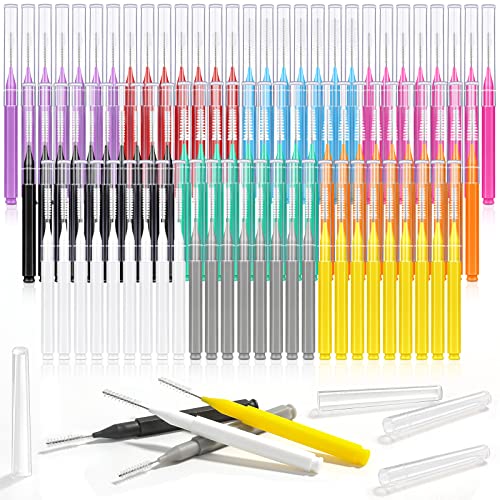
- Interdental brush set for dental implants soft bristle sizes 3-6


Before You Start
Before cleaning, rinse with plain water or mouthwash approved for implants. If you wear a temporary crown or healing cap, avoid aggressive scrubbing around the site. Plan for a cleaning session that fits your daily routine, typically 2 minutes twice daily plus an evening flossing routine. Avoid hard objects that can scratch enamel or irritate gums. If you notice persistent redness, swelling, or unusual discharge, consult your dentist promptly.
Step-By-Step: How To Keep Dental Implants Clean
- Prepare your tools: Charge the sonic electric toothbrush and assemble the interdental brush set to readily reach around the implant crown and connectors.
- Apply a pea-sized dab of fluoride toothpaste designed for implants, then wet the brush head for an optimal cleaning microfoam.
- Brush with a sonic electric toothbrush using gentle, circular motions around the implant crown, the abutment, and the surrounding gum line for 60–90 seconds.
- Switch to interdental brushes sized 3–6 to clean between teeth and around the implant margins where brush bristles may not reach.
- Use the water flosser on a low to medium setting to rinse away debris from the implant sulcus and hard-to-reach areas without applying excessive pressure.
- Gently clean the gum tissue along the implant with a soft-bristle brush or cotton-tipped applicator as needed to remove plaque near the peri-implant tissue.
- Rinse thoroughly with water, then spit out. Inspect the area for any signs of irritation or persistent plaque buildup.
- Repeat the routine once in the morning and once in the evening, adjusting pressure and sizes as your clinician advised.
- Replace worn brush heads and interdental brushes regularly to maintain cleaning efficiency and prevent micro-scratches.
- Record daily cleaning in a simple log and note any changes in comfort or bleeding that occur during brushing.
- Schedule professional cleanings and checkups every six months, or more often if recommended after implantation.
Troubleshooting
| Symptom | Likely Cause | Fix | Prevention |
|---|---|---|---|
| Red, swollen gums around implant | Gingival inflammation | Increase gentle brushing and use antiseptic rinse as advised | Consistent daily cleaning; avoid irritants |
| Persistent plaque buildup | Insufficient interdental access | Use appropriate interdental brush sizes; adapt technique | Rotate brush types to fit gaps |
| Persistent bad breath | Biofilm around implant | Professional cleaning; check for prosthetic seal integrity | Daily maintenance and routine dental visits |
| Discomfort after cleaning | Overzealous brushing or rough tools | Switch to softer tools; reduce pressure | Follow manufacturer guidance on pressure |
Common Mistakes
- Using hard-bristled brushes or aggressive scrubbing near implants
- Skipping interdental cleaning and relying only on brushing
- Using water flossers at too high a pressure, causing gum irritation
- Neglecting to replace worn brush heads and interdental tools
These missteps can irritate tissues, compromise the seal around the implant, and invite plaque buildup. Staying patient and consistent yields the best long-term results.
Tips For Best Results
- Establish a stable daily routine, pairing brushing with targeted interdental cleaning and water flossing.
- Choose tools specifically designed for dental implants to optimize access and reduce tissue irritation.
- Keep tools organized and ready to minimize skipping sessions during busy days.
- Consult your dentist about technique and any recommended product adjustments after initial healing.
- Gradually increase cleaning duration if you experience sensitivity, and use desensitizing toothpaste if advised.
Call A Professional
Seek professional care if you notice sudden or worsening symptoms, such as:
- sharp pain, persistent bleeding, or pus around the implant
- looseness or mobility of the implant
- unusual gum recession near the implant
If any of these occur, contact your dentist or periodontist promptly for an evaluation. Early intervention can prevent more extensive issues.
FAQ
How often should I clean around dental implants?
Clean twice daily with a sonic toothbrush, use interdental brushes daily, and supplement with a water flosser as recommended.
Can I use regular toothpaste on implants?
Yes, but choose a fluoride toothpaste formulated for long-term gum and implant health and avoid abrasive formulas that can wear surfaces.
Are interdental brushes safe for implants?
Yes, when used with soft bristles and proper sizes (3–6) to fit between implant-supported teeth without applying excessive force.
What should I do if cleaning causes bleeding?
Light bleeding can occur initially; persistent bleeding should be evaluated by a clinician to rule out infection or malposition.
Is a water flosser essential for implants?
Not essential for everyone, but many patients find it helps remove debris in challenging areas and supports gum health when used correctly.
Can I clean implants with regular dental tools?
Standard brushes are often suitable, but interdental brushes and water flossers address implant-specific cleaning needs more effectively.
Buying Guide
Choosing the right cleaning tools for dental implants involves balancing effectiveness, comfort, and ease of use. Consider the following factors to ensure a practical setup that fits daily life.
Size and reach: Interdental brushes should match gaps between implants and adjacent teeth. Keep a small, medium, and large brush set on hand to adapt to different spaces.
Noise level and speed: Sonic toothbrushes offer efficient cleaning with gentle pulses. Look for models with multiple modes and comfortable handles.
Energy efficiency: Cordless water flossers and rechargeable toothbrushes reduce clutter and improve convenience. Check battery life for travel use.
Controls: Easy-to-use power buttons, adjustable water pressure, and timer features help maintain a consistent routine.
Placement considerations: If implants are in hard-to-reach areas or near restorative work, a compact water flosser and compact interdental brushes can simplify daily cleaning.
When evaluating products, compare claims about plaque removal, ease of use, and compatibility with implant care guidelines. A dental professional can tailor recommendations based on individual implant type and oral health status.
Leave a Reply