How to Keep Car Floor Mats Clean and Fresh
Car floor mats protect the vehicle’s interior from dirt, mud, and spills. Regular maintenance helps extend their life and keeps the cabin looking neat. This guide walks through practical, step-by-step methods using common tools and protective gear to maintain all types of floor mats found in SUVs, sedans, and trucks.
With the right routine, you can prevent stubborn stains and lingering odors while preserving mat material. The approach below blends everyday cleaning methods with product recommendations that fit most vehicles and lifestyles.
Quick Answer
Best quick-clean plan: shake out loose debris, brush with a soft-wirted brush, rinse with water, scrub with a dedicated mat cleaning kit, and air-dry completely before reinstalling. For stubborn grime, use a two-step scrub and squeegee method to lift dirt from crevices.
What You’ll Need
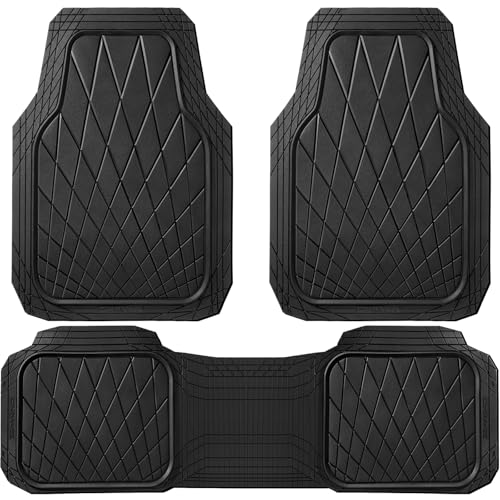
- All-weather rubber car floor mats universal fit 4-piece set
- Car floor mat cleaning brush kit scrubber squeegee with mat protector
- Waterproof vinyl car floor mats SUV sedan 28×18 anti-slip mats

![[3 Pack] Auto Detailing Drill Brush Set, Wheel Cleaner Brush, Car Cleaner Wash Brush Supplies Kit Fit Tire, Car Mats, Floor Mat, Bathroom and Auto Power Scrubber Brush Cleaning Sets](https://m.media-amazon.com/images/I/51UzHhfe50S._SL500_.jpg)
Before You Start
Choose a well-ventilated area to clean mats, especially when using cleaners that produce fumes. Remove mats from the vehicle, shake off loose debris, and vacuum any remaining dirt from both sides. Protect the vehicle interior by laying a tarp or old towels beneath the cleaning area. Time estimate: 20–60 minutes depending on mat material and soil level. Critical cautions: never use hot water on heat-sensitive mats, always wear gloves when scrubbing, and avoid harsh solvents that can degrade rubber or vinyl.
Step-By-Step: How To Keep Car Floor Mats Clean
- Remove the mats from the vehicle and hose them down with cool water to loosen embedded dirt.
- Use the car floor mat cleaning brush kit scrubber squeegee with mat protector to agitate dirt in heavy-traffic areas and seams.
- Apply a mild cleaner appropriate for the mat material (rubber or vinyl) and work it into the surface with circular motions.
- Rinse thoroughly to remove soap residue. For stubborn spots, apply a second round of cleaning and re-scrub.
- For thick mud or clay, consider a targeted scrub with the squeegee end to push out dried material from edges and corners.
- Shake out excess water and place the mats on a flat, sunny surface or use a towel to blot moisture. Allow full air-drying before reinstalling.
- Inspect mats for wear, then reinsert them into the vehicle in their original orientation to maximize grip and protection.
- Schedule routine cleanings on a weekly or biweekly basis, depending on use, to prevent buildup and odors.
- If mats are detachable, consider a light disinfecting spray after cleaning and allow to dry completely to avoid slippery residues.
- Store spare mats or replacements in a dry area when not in use to maintain flexibility and fit.
- Reinstall the mats and vacuum any loosened debris from the cabin floor to improve overall cleanliness.
- When mats are heavily worn, replace them with a durable set to maintain interior protection and safety.
Troubleshooting
| Symptom | Likely Cause | Fix | Prevention |
|---|---|---|---|
| Mats still look stained after cleaning | Deep-set stains or set-in grime | Spot-treat with a specialized vinyl/rubber cleaner and scrub again | Clean promptly after spills to prevent set-in staining |
| Mat remains slippery after drying | Residual soap or moisture | Re-rinse thoroughly and dry completely before reinstall | Rinse until no suds remain; air-dry fully |
| Mat edges curl or warp | Exposure to heat or over-flexing | Limit direct heat exposure; replace warped mats | Store properly and avoid concentrated heat |
| Unpleasant odor persists | Moisture trapped under mats | Dry mats completely and use a light disinfectant spray | Ensure mats dry thoroughly after cleaning |
Common Mistakes
- Using harsh solvents that damage rubber or vinyl surfaces
- Cleaning in direct sunlight when mats are wet, causing faster drying and warping
- Neglecting to dry mats completely before reinserting, which can lead to mold
- Ignoring crevices and seams where dirt accumulates
Keeping mats clean is simpler with a consistent routine that fits your vehicle and lifestyle. Avoid shortcuts that weaken material or trap moisture.
Tips For Best Results
- Choose mats with a universal fit if you own multiple vehicles to simplify maintenance
- Use a dedicated mat cleaning kit designed for rubber or vinyl surfaces to protect texture
- Rinse mats from top to bottom to prevent soil from re-depositing in clean areas
- Air-dry mats in a sunny spot or a well-ventilated area to speed up the drying process
- Periodic deodorizing spray helps control odors without masking them
Call A Professional
Consider professional help if mats are excessively worn, cracked, or have stubborn chemical stains that resist at-home cleaning. Seek service if mats emit persistent odors after thorough cleaning, or if mold or mildew appears and cannot be safely removed with consumer products.
FAQ
Can I use household cleaners on car floor mats?
Yes, but use mild cleaners appropriate for rubber or vinyl to avoid damage. Strong cleaners can degrade mats over time.
How often should I clean car floor mats?
Clean mats at least every 1–2 weeks with light maintenance; deep-clean every 1–2 months depending on wear and soil.
Are all-weather mats easier to clean?
Generally yes. All-weather rubber mats resist moisture and are easy to rinse, which makes maintenance quicker.
What if mats are permanently stuck to the floor?
Do not force removal. Check vehicle manual for mounting clips or consult a professional if mats are hard to detach safely.
Is it okay to machine-wash mats?
Some mats are machine-washable; confirm with the manufacturer. Mechanical washing requires using a gentle cycle and air-drying completely.
Should I use a protectant after cleaning?
A light protectant can help maintain material flexibility and resist staining, but avoid heavy coatings that can attract dust.
Buying Guide
Choosing the right mats involves balancing fit, protection, and ease of cleaning. Key factors include size and fit, material, and the surface texture that traps or sheds dirt. Noise and comfort matter less for mats, but anti-slip properties enhance safety during entry and exit. Consider how often you drive in wet or muddy conditions and whether you regularly transport pets or kids who may spill liquids.
Size and fit: Ensure mats are compatible with your specific vehicle type (SUV, sedan, truck). Look for universal or model-specific options and verify dimensions such as 28×18 inches for vinyl mats to match your floor space.
Material and durability: Rubber or heavy-duty vinyl mats resist moisture and stains. All-weather rubber mats are easy to clean and tolerate seasonal changes, while vinyl mats provide a crisp look and quick wipe-downs.
Ease of cleaning: Mats that are waterproof and have simple surface textures scrub clean without trapping debris. A kit that includes a brush, scrubber, and squeegee can streamline routine maintenance.
Placement and retention: Anti-slip surfaces and secure-fit designs prevent mats from shifting during driving. Check for non-slip backing and secure mounting points if available.
Maintenance mindset: A simple weekly shake-out and quick rinse can prevent buildup. For households with heavy mud or snow, invest in heavier-duty mats and a dedicated cleaning routine.
Budget and value: Compare durability and replacement intervals rather than a single upfront price. Durable mats reduce wear and the need for frequent replacements.
Final thought: The right mat setup keeps interiors cleaner, reduces wear, and simplifies maintenance. Ready to upgrade your car’s protection? Start with a compatible all-weather rubber mat set and a cleaning kit that fits your vehicle’s needs.
Leave a Reply