How to Keep a Big House Clean Efficiently
Maintaining a spotless home in a large living space can be challenging without a clear plan and the right tools. This guide outlines practical steps, recommended gear, and maintenance habits to keep a big house consistently clean and comfortable for everyday living.
Quick Answer
Prioritize automation for daily upkeep with a robot vacuum designed for large homes, then supplement with a steam mop for hardwood floors and a cordless stick vacuum for quick top-ups. Establish a simple daily routine, weekly deep clean, and monthly maintenance to stay on top of dirt, dust, and debris.
The Tools Make The Mission Easier
Choosing the right equipment for a large home reduces effort and time spent cleaning. The following gear is ideal for big residences with varied flooring and open spaces:
- Robot vacuum for large homes with smart mapping and self-emptying dock – automates daily cleaning and excels in expansive layouts.
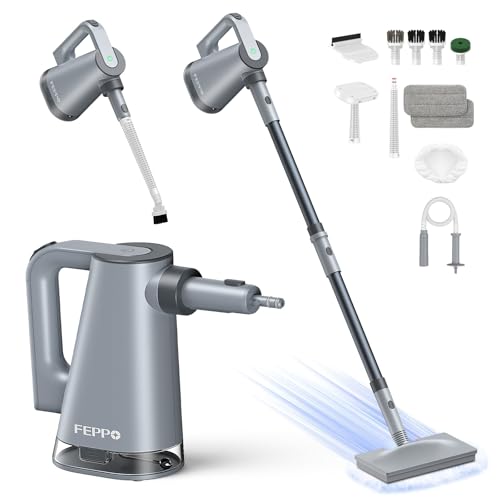
- Steam mop for hardwood floors with interchangeable attachments and handheld steamer – versatile for sealed wood, tile, and other hard surfaces.
- Cordless stick vacuum for large houses with wide cleaning head and long-lasting battery – convenient for quick cleanups and high-traffic areas.


Before You Start
Before tackling the cleaning plan, consider room layout, surface types, and potential hazards. Safety first includes unplugging electrical devices when needed, securing cords, and testing steam on inconspicuous areas. Time estimates vary by home size, but plan for a flexible window of 2–6 hours for a thorough initial deep clean across multiple zones. Set realistic expectations and schedule recurring sessions for ongoing maintenance.
Step-By-Step: How To Keep A Big House Clean
- Create a zone-based cleaning schedule. Divide the home into zones (e.g., living areas, bedrooms, kitchens, baths) and assign a day or time window for each zone to receive focused attention. This prevents backlog and makes chores more manageable.
- Run the robot vacuum daily. Schedule the robot to map the floor plan, navigate around furniture, and empty itself at the dock. In large homes, use zoning and a weekly recharge cycle to maximize coverage without overloading the battery.
- Target hardwood and hard-surface floors with a steam mop. Use the steam mop to sanitize and refresh sealed wood and tile. Attachments like a mop head, grout tool, or handheld steamer expand the range of surfaces cleaned.
- Address high-traffic zones with a cordless stick vacuum. Carry the lightweight model for quick spot cleans in entryways, living areas, and stair landings. Look for a wide cleaning head and long-lasting battery for efficiency.
- Dust high and low in each zone. Use microfiber cloths, extendable dusters, and the vacuum attachments to reach ceiling corners, ceiling fans, and behind furniture. Pay attention to vents and baseboards for accumulated dust.
- Deep-clean bathrooms and kitchens on a weekly cadence. Focus on grout lines, sink areas, countertops, and appliance exteriors. Use appropriate cleaners and sanitize where needed, following manufacturer guidance for steam and vacuum use near water.
- Refresh textiles and soft surfaces. Vacuum couches, curtains, and cushions with the appropriate attachment. Schedule upholstery cleaning or spot treatment as needed to maintain a fresh feel.
- Coordinate maintenance tasks. Create a rotating checklist for filters, brushes, and seals on machines. Replace or wash components per manufacturer recommendations to maintain performance.
- Track progress and adjust. Review cleaning logs weekly. If a zone consistently takes longer, reallocate time or adjust equipment usage to improve efficiency.
- Establish a daily 15-minute reset. Quick tidy-ups in the evening—put items away, wipe surfaces, and run a brief vacuum pass—to prevent clutter from piling up.
- Keep the systems synchronized. Ensure the robot maps are up-to-date after any furniture changes, and keep the steam mop attachments organized for rapid switching between tasks.
Troubleshooting
| Symptom | Likely Cause | Fix | Prevention |
|---|---|---|---|
| Robot vacuum stops mid-clean | Battery or sensor issue | Recharge, clean sensors, update firmware | Schedule regular maintenance |
| Steam mop leaves streaks | Water temperature or dirty pad | Use hot tap water, replace pads, and clean nozzle | Replace pads after heavy use |
| Cordless stick vacuum loses suction | Clog or full dustbin | Empty dustbin, check brush and hose for clogs | Empty frequently during large cleans |
| Hard floors feel sticky | Residue buildup on mop pads | Wash or replace pads; use correct cleaning solution | Rinse mop pads thoroughly and follow dilution guidelines |
Common Mistakes
- Overloading spaces with clutter, which hinders robot navigation and increases manual work.
- Using steam on unsealed floors or with improper attachments, risking damage.
- Ignoring filter and brush maintenance, reducing cleaning efficiency over time.
- Relying on one method for all surfaces; different materials require tailored approaches.
Tips For Best Results
- Set up a simple “put away” routine to reduce clutter before cleaning passes.
- Schedule a weekly deep clean of kitchens and baths to tackle hidden grime.
- Keep charging docks unobstructed and ensure robot mapping reflects current furniture layouts.
- Label storage areas for cleaning supplies to streamline access and reduce time searching.
- Rotate tools by season to manage wear and extend the life of machines.
Call A Professional
Some tasks are best left to professionals, especially if the home contains delicate finishes, old fixtures, or electrical concerns. Call a professional when:
- There are persistent water leaks or mold indicators in the house.
- Wood floors show severe warping or finish damage beyond routine maintenance.
- Electrical or plumbing systems require inspection or repair beyond basic cleaning duties.
- There is a need for major carpet or upholstery cleaning that exceeds consumer-grade equipment capabilities.
FAQ
What is the best approach for cleaning a large home?
Combine automation with targeted manual cleaning. Use a robot vacuum for daily maintenance, a steam mop for hard floors, and a cordless stick vacuum for quick spot cleans in high-traffic zones.
How often should I deep clean a large home?
Plan a comprehensive deep-clean session every 2–4 weeks, with weekly touch-ups and routine daily upkeep to prevent buildup.
Can steam mopping damage wood floors?
Only use a steam mop on sealed wood or other approved hard surfaces and follow manufacturer instructions to avoid moisture damage.
How do I maximize battery life in a cordless stick vacuum?
Choose models with efficient motors, use high-quality batteries, and perform regular maintenance to sustain suction and runtime.
Buying Guide
When selecting equipment for a big house, consider size, noise, energy efficiency, controls, and placement. A multi-device approach often yields the best results: a robot vacuum with smart mapping and a self-emptying dock for daily upkeep, a steam mop with interchangeable attachments for versatile floor care, and a cordless stick vacuum for fast cleanups. Look for models that support Wi-Fi connectivity, app control, and compatibility with your home’s layout. Consider noise levels to minimize disruption, especially in open-plan areas and homes with late-evening cleaning needs. Finally, assess storage space for docking stations, extra pads, and replacement brushes to keep systems ready for action. Can the products be integrated into a single cleaning routine that matches your daily schedule? That synergy often delivers the most practical, efficient results.
Leave a Reply