How to Get Rid of Yellowing on White Clothes
The yellowing of white clothes is a common laundry frustration, but it’s usually addressable with practical steps and common-cleaning products. This guide outlines a safe, effective approach to restoring brightness while protecting fabrics. It covers common causes, best-practice methods, and when to seek professional help.
Quick Answer
Identify the root cause (bodily oils, sweat, mineral deposits, aging fibers) and choose a whitening strategy using color-safe oxygen bleach, a chlorine-free whitening detergent, and targeted stain removal for white cotton shirts. Pre-treat, wash with hot water if fabric allows, and avoid overloading the washer for optimal agitation.
What You’ll Need
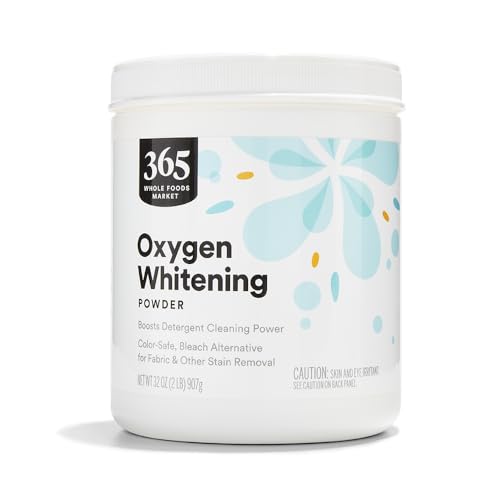
- Oxygen bleach powder for white clothes whitening color-safe to brighten fabrics without chlorine.
- Chlorine-free whitening detergent for whites to lift stains while preserving fibers.
- Yellow stain remover for white cotton shirts for targeted treatment on stains.
- Measuring cup, soft-bristled brush, and clean containers for mixing pre-treatments.
- Stick-on timer or watch to monitor soak times.


Before You Start
Check garment care labels for any restrictions, especially on fabric type and maximum washing temperature. Do not use chlorine bleach on wool, silk, or wool-blend fabrics; it can cause damage. Test any whitening product on a hidden seam before full application. Soak times vary by product; follow label directions. Plan for stain removal time to fit your schedule, typically 30–90 minutes for pretreatments and 1–2 wash cycles for thorough whitening.
Step-By-Step: How To Remove Yellowing On White Clothes
- Sort laundry by color and fabric type to prevent dye transfer and fiber damage.
- Pre-treat visible yellow stains with yellow stain remover for white cotton shirts, following the product instructions. Gently rub with a soft brush to lift oils.
- Prepare a pretreatment solution using oxygen bleach powder for white clothes whitening color-safe. Dissolve the powder in warm water as directed and soak less delicate fabrics, or create a shallow soaking bath for sturdy whites.
- Soak the garments according to fabric tolerance and product guidelines. For many whites, a 30–60 minute soak improves whitening without sacrificing fibers.
- Wash using a chlorine-free whitening detergent for whites on the recommended setting. Use the warmest water allowed by care labels to maximize stain removal and brightening.
- Rinse thoroughly and inspect. If yellowing persists, repeat the pretreatment and wash cycle, avoiding extended exposure to sunlight that might cause yellowing to reappear.
- Line-dry or tumble-dry per fabric care. If using a dryer, ensure complete dryness to prevent new yellowing from moisture buildup.
- For persistent yellowing, repeat the process or perform a second wash with a fresh batch of detergent and oxygen bleach powder. Do not mix chlorine-based products with oxygen bleach.
- For tough collars and underarms, repeat targeted pretreatment and a second wash cycle on those areas to achieve uniform brightness.
- Store whites in a clean, dry environment, away from direct sunlight to minimize lingering yellowing between wears.
- Consider a periodic whitening routine every few weeks for heavily soiled whites to maintain brightness over time.
Troubleshooting
| Symptom | Likely Cause | Fix | Prevention |
|---|---|---|---|
| Yellowing returns after washing | Repeated exposure to body oils or mineral deposits | Increase frequency of pretreatment and use oxygen bleach as part of routine | Pre-treat sweat-prone areas after wearing |
| Fabrics appear dingy after washing | Overloading washer, insufficient agitation | Wash with proper load size and select a longer wash cycle | Use enough water and avoid packing clothes tightly |
| Discoloration after using oxygen bleach | Incompatible fabric or over-concentration | Try a milder solution or switch to color-safe option | Always follow label directions and patch-test |
| Stains set in after drying | Heat setting too high or improper pretreatment | Re-treat, wash again on a cooler cycle | Pre-treat before drying and use the correct temperature |
Common Mistakes
- Using chlorine bleach on all whites regardless of fabric type, which can weaken fibers over time.
- Overloading the washer, which reduces agitation and effective cleaning.
- Skipping pretreatment for visible stains, leading to stubborn yellowing lingering after wash.
- Mixing different whitening products without follow-up rinses, which can cause chemical interactions.
Tips For Best Results
- Always read and follow care labels to choose safe temperatures and methods for each fabric.
- Test new whitening products on a hidden area before full use to prevent damage.
- Use warm water when fabrics permit; heat can help dissolve oils that cause yellowing.
- Address sweat-prone areas with targeted pretreatments for lasting brightness.
- Store whites in a cool, dry place away from sunlight to reduce yellowing over time.
Call A Professional
Seek professional laundry or dry-cleaning help if fabrics are delicate (silk, wool, or wool blends), or if yellowing persists after multiple attempts. Heavily stained or antique whites may require specialized treatments or care that professionals provide.
FAQ
Can oxygen bleach replace chlorine bleach for whitening?
Yes, oxygen bleach is generally safer for most whites and fabrics, but it may be less potent on certain stains. Follow label guidance and patch-test first.
How often should I whiten white cotton shirts?
Regular pretreating of spots and periodic whitening cycles help maintain brightness without harming fibers.
Is hot water always safe for whitening?
Hot water helps dissolve oils, but only if the fabric care label allows it. When in doubt, use warm water.
What if yellowing occurs after drying?
Re-wet and rewash with the appropriate pretreatments, ensuring proper water temperature and cycle settings for the fabric.
Buying Guide
When choosing products to fight yellowing, consider these factors to ensure effective whitening while protecting fabrics:
- Size and concentration: Choose appropriately sized bottles for your laundry load frequency and a concentration suitable for regular use.
- Noise level (for washing machines with dispensers or integrated devices): Look for quiet operation if you run washes during early mornings or late nights.
- Energy efficiency: Opt for efficient detergents and whitening agents that perform well in standard cycles to save energy and water.
- Controls and compatibility: Ensure the products work with your washer type (HE vs standard) and fabric care labels.
- Placement and storage: Store whitening products away from children and direct sunlight; keep them in original containers with clear label instructions.
- Performance across fabrics: Test options on cotton, blends, and synthetics to confirm safe and consistent whitening outcomes.
By selecting the right combination of oxygen bleach, chlorine-free whitening detergent, and targeted stain removers, American households can effectively restore whiteness to yellowing garments. Ready to tackle those whites with confidence?
Leave a Reply