How to Get Rid of Yellow Teeth From Smoking
Smoking can lead to yellowish staining on enamel, affecting confidence and smile appeal. This guide outlines practical, safe steps for American readers to reduce tobacco-related discoloration using accessible at-home whitening tools and best practices. The focus is on practical methods validated for home use, with clear cautions for smokers seeking noticeable whitening results.
Quick Answer
For faster improvement, combine an at-home teeth whitening tray kit designed for smokers with LED light activation and a whitening pen for targeted touch-ups. Maintain consistent use, stop smoking temporarily for best results, and protect enamel with daily brushing and fluoride products. If sensitivity occurs, adjust frequency and consult a professional if needed.
What You’ll Need
- LED light teeth whitening kit peroxide gel
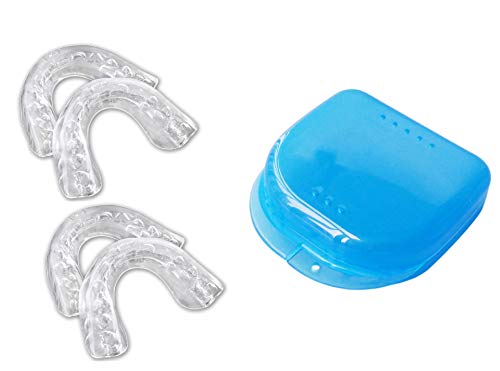
- at-home teeth whitening tray kit smoker
- teeth whitening pen peroxide gel for smokers


Before You Start
Before beginning whitening, ensure your teeth and gums are healthy. If you have untreated cavities, gum disease, or worn enamel, consult a dentist first. Read product directions thoroughly and perform a patch test if available. Prepare the area by brushing teeth and cleaning trays or pens. Time estimates for a typical at-home whitening routine range from a few days to a few weeks, depending on product strength and consistency. Important cautions include avoiding whitening if you are pregnant or nursing, and stopping if you experience persistent irritation or tooth sensitivity.
Step-By-Step: How To Reduce Yellow Teeth From Smoking
- Choose a smoker-friendly whitening system that includes peroxide gel and a whitening tray. Opt for an LED-assisted kit for faster activation, but follow the manufacturer’s recommended usage schedule.
- Prepare your teeth by brushing with a fluoride toothpaste to remove surface plaque and ensure even gel contact.
- Apply a thin layer of peroxide gel into the whitening tray, focusing on areas with noticeable staining. Avoid overfilling to prevent gel leakage onto gums.
- Insert the tray and gently bite to seat it. Use the LED light according to the product instructions to accelerate whitening.
- Follow the recommended duration, typically 15–30 minutes per session. If you experience sensitivity, shorten sessions or increase intervals between doses.
- Remove the tray and thoroughly rinse both teeth and gums. Use a clean, damp cloth to wipe away any residual gel from lips or gum line.
- For targeted touch-ups, use a teeth whitening pen peroxide gel for smokers on stubborn areas. Apply a small amount and allow it to set without swallowing.
- Clean and store the whitening tray and pen as directed. Keep them away from children and pets, and avoid eating or drinking staining foods during treatment windows.
- Maintain results with a reduced intake of smoking products, implement a daily oral hygiene routine, and consider a whitening maintenance plan after initial sessions.
- Schedule a follow-up dental checkup to monitor enamel health and assess long-term whitening progression.
- Adjust frequency based on results and sensitivity. If yellowing persists, explore professional whitening options with a dentist.
- Document progress with periodic photos to stay motivated and evaluate whether the chosen method meets goals.
Troubleshooting
| Symptom | Likely Cause | Fix | Prevention |
|---|---|---|---|
| Gums feel irritated after a session | Gel contact or overuse | Shorten sessions; ensure gel stays on teeth | Follow product timing precisely |
| Teeth remain yellow after treatment | Staining from tobacco use persists | Repeat sessions as directed; avoid smoking immediately after | Adopt cessation strategies to prevent rebound |
| Sensitivity when using trays | Peroxide concentration or prolonged exposure | Switch to lower concentration or longer intervals | Use sensitivity toothpaste or consult a dentist |
| Gel leaks onto gums | Overfilling tray | Wipe excess gel and reseat tray | Follow line on tray for recommended gel amount |
| Uneven whitening | Uneven gel distribution | Reposition tray and reapply gel evenly | Align teeth and clean surfaces before application |
Common Mistakes
- Overfilling whitening trays, causing gel leakage and gum irritation
- Using whitening products too frequently, leading to sensitivity
- Expecting dramatic results from a single session
- Not following the device’s safety and timing guidelines
- Continuing smoking during treatment, which undermines progress
Tips For Best Results
- Pair whitening with cessation efforts to reduce ongoing staining
- Use whitening pens for targeted, quick touch-ups between tray sessions
- Brush with fluoride toothpaste and floss daily to maintain enamel health
- Avoid coffee, red wine, and highly pigmented foods during treatment windows
- Hydrate and rinse after meals to reduce staining potential
- Consider night-time tray wear if daytime routines are busy
Call A Professional
Seek a dentist’s advice if you notice persistent yellowing after a reasonable home-treatment period, experience severe sensitivity, or have dental work like fillings and crowns that may affect whitening results. Stop using home whitening products if you notice swelling, blistering, or severe gum irritation. For people with extensive tobacco use or existing dental issues, professional whitening or alternative cosmetic options may be more effective and safer in the long term.
FAQ
Is whitening effective for smokers?
Whitening can reduce surface stains from smoking, but results vary. Consistent use of at-home kits, along with smoking reduction, typically yields the best outcomes.
How long do results last for smokers?
Results depend on ongoing habits. Regular maintenance and limiting stain-causing foods and smoking can extend whitening benefits.
Can I use whitening pens and LED kits together?
Yes, but follow each product’s instructions and avoid overuse. Pens are useful for touch-ups between tray sessions.
What if I have sensitive teeth?
Reduce treatment frequency, choose lower-peroxide products, and use sensitivity-reducing toothpaste. Consult a dentist if sensitivity persists.
When should I consider stopping and seeing a professional?
If there is no noticeable improvement after 2–4 weeks, or if you experience persistent irritation, seek professional guidance.
Buying Guide
When selecting whitening products for smoking-related stains, consider size and fit, noise levels if using an LED device, energy efficiency, ease of use, and placement flexibility. Look for reputable, dentist-approved formulations, clear instructions, and compatibility with smoker-specific needs. Compare tray kits versus pen-based solutions for the balance of coverage and convenience. Some kits offer accelerated results with LED activation; weigh speed against sensitivity risk. Evaluate whether you want a complete setup (tray kit with peroxide gel and LED) or focused tools (pens) for maintenance. Finally, assess warranty options and replacement gel compatibility to maximize value and results. If unsure, consult a dental professional for personalized recommendations.
Leave a Reply