How to Get Rid of Winter Allergies at Home
Winter allergy symptoms can flare due to indoor irritants like dust, mold, and dry air. With more time spent indoors, controlling air quality and humidity becomes essential. This guide provides practical steps to reduce winter allergy triggers in American homes using accessible tools and routines.
Quick Answer
Air filtration and humidity control are the cornerstones of winter allergy relief. Run an appropriate filtration device, vacuum with a HEPA system, and keep humidity in the comfortable range to limit dust, mold, and moisture-related allergens.
What You’ll Need
- HEPA air purifier for allergies bedroom with automatic mode
- HEPA vacuum cleaner for dust mite allergy pet hair
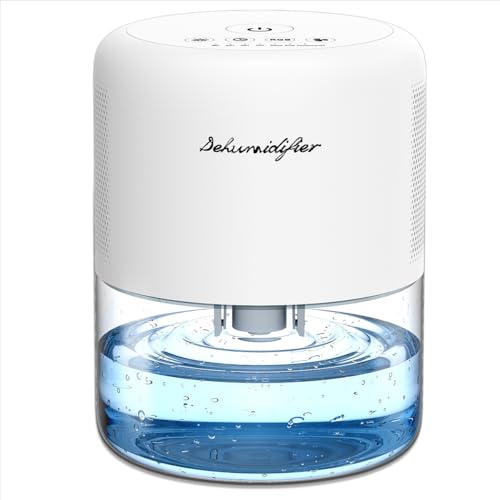
- Portable dehumidifier for damp winter allergy relief


Before You Start
Prepare your space by closing doors to bedrooms you’ll treat and removing clutter that collects dust. Place the air purifier in the main living area and in bedrooms, especially where you sleep. Set realistic expectations: noticeable relief may take 1–2 weeks of consistent use. Safety first: unplug devices before moving them, keep cords away from walkways, and follow manufacturer instructions for all devices.
Step-By-Step: How To Reduce Winter Allergens
- Identify primary allergen hotspots, such as bedrooms, living rooms, and basements, and plan focused filtration.
- Position HEPA air purifier for allergies bedroom with automatic mode near sleeping areas to reduce airborne particles while you rest.
- Set the purifier to automatic mode and maintain clean intake areas—no obstructed vents or thick drapes that block airflow.
- Vacuum high-traffic zones with HEPA vacuum cleaner for dust mite allergy pet hair, using slow, overlapping passes to lift fine dust.
- Target upholstered furniture and bedding; run the vacuum slowly to maximize particle capture without damaging fabrics.
- Use a portable dehumidifier for damp winter allergy relief in areas prone to dampness and mold. Aim for 30–50% relative humidity.
- Wash bed linens weekly in hot water and dry thoroughly to minimize dust mites.
- Wipe hard surfaces with a damp cloth to remove settled dust, then dust from top to bottom to prevent re-entrainment.
- Seal gaps around windows and doors where cold air enters; this reduces drafts that spread allergens inside.
- Establish an ongoing cleaning routine: weekly vacuuming, monthly filter checks, and seasonal decluttering.
- Track humidity and air quality with simple meters if possible, adjusting dehumidifier and purifier settings as needed.
- Combine these steps with regular pet grooming or minimizing pet access to bedrooms if allergies are sensitive to pet dander.
Troubleshooting
| Symptom | Likely Cause | Fix | Prevention |
|---|---|---|---|
| Persistent musty odor | Mold growth in hidden areas | Inspect walls, under sinks, and basements; treat mold and improve ventilation | Keep humidity steady, fix leaks promptly |
| Air purifier not improving air feel | Improper placement or full filter | Reposition device near sleeping areas; replace filters as recommended | Regular maintenance schedule |
| Humidity too high | Dehumidifier overwhelmed or mis-sized for room | Empty reservoir, adjust settings, or size a unit to the space | Use multiple devices if needed and seal leaks |
| Dust accumulation despite cleaning | Inadequate filtration or missed surfaces | Enhance filtration and clean hard-to-reach areas | Consistent weekly cleaning |
Common Mistakes
- Relying on a single method; combine filtration, humidity control, and cleaning.
- Using non-HEPA vacuums on fine dust and allergens.
- Ignoring moisture; dampness promotes mold and dust mite proliferation.
- Decluttering only seasonally instead of maintaining tidy spaces year-round.
Tips For Best Results
- Place the HEPA air purifier in rooms where you spend the most time, especially bedrooms.
- Use automatic mode to maintain consistent air quality without constant monitoring.
- Pair daily cleaning with weekly deep cleans of bedding and upholstery.
- Maintain moderate humidity to minimize dust mites and mold growth without triggering condensation on windows.
- Label storage areas for seasonal gear to reduce dust reservoirs when not in use.
Call A Professional
Consider professional assessment if symptoms persist despite home measures. Seek a pro if you notice extensive mold growth, persistent condensation on windows, or signs of structural water intrusion. A licensed HVAC or indoor air quality specialist can evaluate filtration needs and humidity control for your home layout.
FAQ
Can a single air purifier handle a whole home?
Most homes need targeted placement; use multiple units in key rooms for effective coverage.
How often should I replace HEPA filters?
Follow manufacturer guidance, typically every 6–12 months with regular use.
Is dehumidifier safe for pets?
Yes, when used as directed and kept out of reach of curious pets; maintain clean water reservoirs and surfaces.
Will cleaning stop winter allergies completely?
Cleaning reduces allergens but may not eliminate all triggers; combine with humidity control and filtration for best results.
Buying Guide
When shopping for allergy relief devices, consider size, noise, energy efficiency, controls, and placement. A compact air purifier with auto mode is convenient for bedrooms, while a larger model may suit living rooms. For still air that triggers coughing, a unit with a true HEPA filter and solid CADR ratings offers better performance. Energy-efficient models help maintain daily use without high operating costs. Look for features like adjustable fan speeds, timer settings, and washable pre-filters. Remember to measure room dimensions to choose appropriately sized devices. Placement matters: position purifiers away from walls, not behind furniture, and keep dehumidifiers in damp zones such as basements or bathrooms. For multi-room homes, consider a coordinated approach with strategically placed units and a consistent cleaning schedule.
Leave a Reply