How to Get Rid of Wet Shoe Smell
Wet shoes can quickly develop an unpleasant odor due to moisture, sweat, and bacteria. Addressing both moisture and odor is essential for fresh, ready-to-wear footwear. This guide outlines a practical, step-by-step approach using common household items and purpose-built products to restore dryness and banish lingering smells.
Quick Answer
Dry and deodorize your footwear with an effective combination of heat-assisted drying, UV sanitizing, and odor absorption. Start with thorough drying, then use odor absorbers and sanitizers to kill bacteria and neutralize smells. Regular maintenance helps prevent recurrence.
What You’ll Need
- Electric shoe dryer for damp shoes with heat and fan
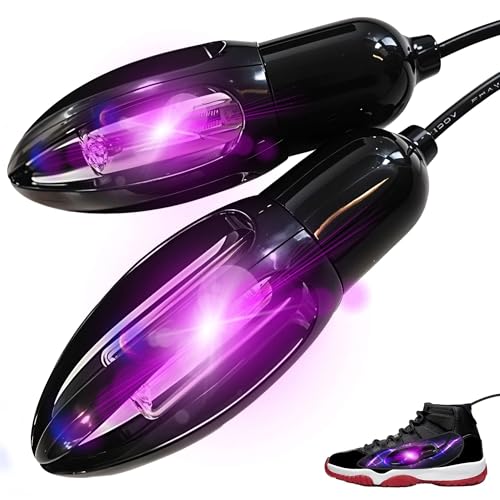
- Portable UV shoe sanitizer and deodorizer for sneakers
- Activated charcoal odor absorber for shoes to remove moisture and smell


Before You Start
Before drying, remove insoles and loosen laces to improve air flow. Use a low heat setting to avoid damaging materials like leather or synthetics. Do not place shoes near heat sources that could cause scorching. If shoes are heavily soaked, blot excess water with a towel and allow air to vent for a few minutes before using any drying device. Plan a drying window of 2–6 hours depending on material and climate.
Step-By-Step: How To Get Rid Of Wet Shoe Smell
- Remove lint and debris from the inside of the shoe with a soft brush or cloth.
- Take out insoles to speed up drying and to treat them separately.
- Use a electric shoe dryer for damp shoes with heat and fan on a low setting, inserting the dryer tube into the toe or tongue area for even heat distribution.
- Set the dryer to a gentle temperature to protect materials; run until shoes feel dry to the touch but not hot.
- While drying, place a small amount of activated charcoal odor absorber for shoes near the toe box or inside the heel to absorb residual moisture and odors.
- For sneakers and enclosed shoes, consider a portable UV shoe sanitizer and deodorizer for sneakers for a brief sanitizing pass after drying.
- Allow insoles to dry separately; wipe with a mild solution if needed and air-dry completely before reinserting.
- Air out shoes in a well-ventilated area for additional odor reduction after drying and sanitizing.
- Repeat the drying and deodorizing routine weekly during high-sweat seasons to prevent odors from returning.
- Maintain a routine of occasional deodorization with charcoal or other odor absorbers when shoes aren’t in use.
- Store dry shoes in a breathable area; avoid storing damp footwear in closed spaces to prevent mold growth.
- Address persistent odors by washing removable insoles and, when possible, washing the outer shoes according to care labels.
Troubleshooting
| Symptoms | Likely Cause | Fix | Prevention |
|---|---|---|---|
| Shoe still damp after drying | Insufficient airflow or overly thick material | Increase drying time, re-arrange insoles, and use a second pass | Choose a higher-capacity dryer or targeted airflow |
| Persistent sour odor | Organic buildup or mold | Clean insoles, use sanitizer, and consider replacing heavily affected insoles | Dry thoroughly after each use and store in dry areas |
| Discoloration or material damage | Excessive heat | Switch to a lower heat setting or air-dry | Always test on a small area first |
| UV sanitizer ineffective | Insufficient exposure or blocked vents | Clear vents and extend exposure time per product guide | Keep shoes uncovered or loosely stuffed during sanitizing |
Common Mistakes
- Overheating shoes, which can warp materials or damage adhesives
- Using only deodorizing sprays without proper drying, which can trap moisture
- Ignoring insoles that may harbor moisture and odor
- Storing damp footwear in closed spaces after use
To avoid these pitfalls, combine drying with odor absorbers and sanitizers, and keep footwear dry between uses.
Tips For Best Results
- Rotate shoes to give each pair time to fully dry between wears
- Place odor absorbers in both shoes to ensure balanced treatment
- Ventilate rooms during drying and sanitizing to dissipate odors quickly
- For gym shoes, consider a quick post-workout deodorizing routine to prevent buildup
- Complement drying with regular washing of removable insoles when fabric-safe
Call A Professional
Consult a professional if moisture persists after repeated drying and deodorizing, or if there is mold growth, persistent staining, or an unusual odor that does not fade with standard treatment. Seek medical advice if any footwear used for medical or orthopedic purposes shows signs of damage or mold exposure that could affect foot health.
FAQ
What is the fastest way to remove wet shoe smell?
Begin with thorough drying using a low-heat shoe dryer, then apply an odor absorber and sanitize if needed.
Can I reuse insoles after they dry?
Yes, after insoles are completely dry and clean; inspect for wear and replace if necessary.
Is UV light safe for shoes?
Yes when used according to manufacturer instructions and kept away from skin and eyes; ensure proper containment and ventilation.
How often should I deodorize my shoes?
Regular maintenance during active seasons—every few weeks for daily wear, or as odors reappear.
Buying Guide
When choosing products to prevent and treat wet shoe smell, consider size, noise, energy use, and placement. A combined approach often works best: a compact electric shoe dryer for quick drying, a portable UV sanitizer for on-the-go treatment, and a charcoal odor absorber for ongoing moisture and odor control. Look for devices with safety features, adjustable heat, and compatibility with common shoe materials. If possible, select units that can operate simultaneously or in sequence to minimize downtime. Evaluate storage space, power accessibility, and whether you need portable options for gym bags or travel.
Leave a Reply