How to Get Rid of Weeds in Rocks
Weed growth in rock beds, gravel pathways, and decorative stones is a common challenge for homeowners seeking low-maintenance landscaping. This guide outlines practical, effective methods to control and prevent weed growth in rocky areas while protecting the aesthetic of your design.
Quick Answer
Combine mechanical removal with a weed barrier and timely treatments. Start by removing existing weeds, lay down a quality barrier, and use a targeted torch or manual tools for ongoing control. Replenish mulch or gravel as needed to maintain a clean surface and reduce light for new weed seeds.
What You’ll Need
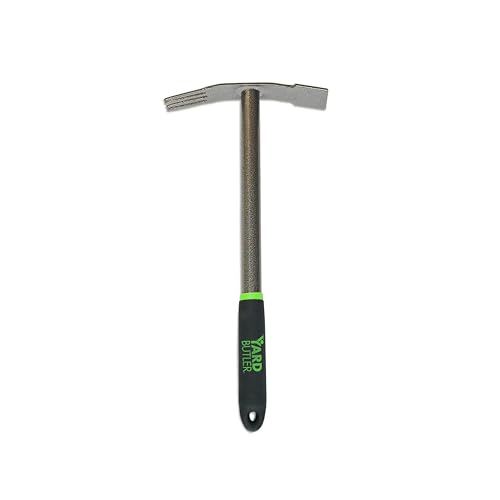
- hand weeder tool for gravel and rock gardens with forked tines
- propane weed torch weed control for rock beds gravel
- weed barrier landscape fabric for rock gardens 4 ft wide


Before You Start
Identify the extent of weed growth and the type of weeds present. Clear a few inches around the borders to prevent root encroachment. Prepare a plan for recurring maintenance, since rock gardens require periodic weed checks. Safety first: follow all manufacturer directions when using torches, and never use open flames near dry vegetation or debris.
Time estimate: 1–3 hours for initial cleanup, plus ongoing quarterly checks. Consider local climate and weed-seed cycles to schedule follow-ups.
Step-By-Step: How To Get Rid Of Weeds In Rocks
- Remove large weeds by hand or with the hand weeder tool for gravel and rock gardens with forked tines, loosening the roots to reduce resprouting.
- Apply a weed barrier landscape fabric for rock gardens 4 ft wide over exposed soil where possible to curb future growth.
- Overlap fabric seams by at least 6 inches and secure with landscape stakes or edging pins to prevent movement.
- Sweep gravel back into place to cover the fabric edges and maintain an even surface while blocking light to weed seeds.
- For persistent or deeply rooted weeds, use the propane weed torch weed control for rock beds gravel to singe the foliage at the base, taking care to keep flames away from dry materials.
- Allow treated areas to cool, then spread a fresh layer of gravel or decorative stones to restore the surface appearance.
- Inspect edges periodically and pull any new shoots promptly with the hand weeder tool to prevent full re-growth.
- If weed growth returns seasonally, consider reapplying a weed barrier in problem zones or increasing mulch or gravel depth at those spots.
- Re-evaluate after heavy rainfall; wash away soil clumps that may hold weed seeds and re-check fabric anchoring.
- Document maintenance dates to build a routine that minimizes future weed establishment without over-treating the area.
Troubleshooting
| Symptom | Likely Cause | Fix | Prevention |
|---|---|---|---|
| Weeds sprouting through cracks | Insufficient fabric coverage or gaps | Re-seal seams and extend barrier | Pre-cut fabric and overlap seams |
| Flames flare up during torch use | Dry surroundings or wind | Wait for calm conditions; clear dry debris | Keep a water source nearby |
| Weeds returning after a season | Seed banks or shallow roots | Reapply barrier or increase gravel depth | Regularly pull small sprouts |
| Fabric tearing under rocks | Heavy impact or sharp edges | Place edging around the border | Choose sturdy trench fabric and secure properly |
Common Mistakes
- Using fabric with too-small weave that allows weed seeds to penetrate
- Overly thin gravel layers that expose soil and seeds
- Relying solely on chemical methods without a physical barrier
- Over-torching, which can damage nearby plants or dry out soil
Tips For Best Results
- Choose a weed barrier landscape fabric for rock gardens 4 ft wide with a dense weave for longer lasting protection
- Keep a consistent gravel depth of 2–3 inches to discourage seed settlement
- Pre-wet soil before removing deep-rooted weeds to minimize breakage and regrowth
- Schedule maintenance after rainfall when weeds are easier to pull
- Store the hand weeder tool for gravel and rock gardens with forked tines in a readily accessible spot for quick sessions
Call A Professional
Consider calling a professional if:
- Weed growth covers a large area beyond simple pathways or borders
- There is suspicion of hazardous or invasive species
- Weed control requires the use of specialized equipment beyond standard tools
FAQ
What is the best order for weed control in rock beds?
Start with manual removal, install a barrier, then apply gravel and edge-secure the area.
Are torches safe for all rock garden setups?
They can be effective but require careful use and adherence to safety guidelines.
How often should I check for weeds in rock landscapes?
Every 1–3 months during growing seasons helps prevent buildup.
Can I reuse fabric if I remove weeds later?
Yes, but inspect for wear and replace if the weave is damaged or gaps exist.
What maintenance helps prolong barrier effectiveness?
Keep edges covered with gravel, reseal seams, and refill gravel as needed.
Buying Guide
When selecting tools and materials for weed control in rock areas, consider size, durability, and ease of use. For this scenario, a hand weeder tool for gravel and rock gardens with forked tines aids immediate weeding, while a propane weed torch weed control for rock beds gravel offers quick suppression of stubborn plants. A wide weed barrier landscape fabric for rock gardens 4 ft wide helps prevent recurrence across larger patches.
Key buying factors include:
- Size and flexibility of the weed barrier to match the project area
- Noise, energy use, and handling of equipment like torches
- Durability of fabrics against punctures and UV exposure
- Ease of installation and compatibility with existing edging and bordering
- Placement options to cover curves, edges, and irregular shapes
For best results, evaluate the space size, typical weather conditions, and whether you prefer a predominantly mechanical approach with occasional thermal treatment. Combining barrier fabric with a reliable hand tool creates a low-maintenance, long-lasting rock garden solution. If you’re unsure, consult a local landscaping professional to tailor a plan to your climate and weed profile.
Leave a Reply