How to Get Rid of Water Smell in House
Water-related odors in homes often stem from excess moisture and stagnant air. Addressing the source of dampness, improving ventilation, and using targeted tools can significantly reduce musty smells and mold spores. This guide provides practical, step-by-step instructions tailored for American homes and the products listed in the included keywords.
Quick Answer
Start by reducing humidity with a dehumidifier and improving air exchange with an air purifier. Pair a calcium chloride moisture absorber for localized odor control with routine cleaning and ventilation to tackle persistent mustiness. For best results, implement all steps consistently.
What You’ll Need
The following tools and materials are aligned with the provided product keywords. Use them as a practical kit to combat water smells and humidity.
- 60 pint dehumidifier with drain hose for basement moisture and musty odor removal
- air purifier with activated carbon filter for musty odor and mold spores
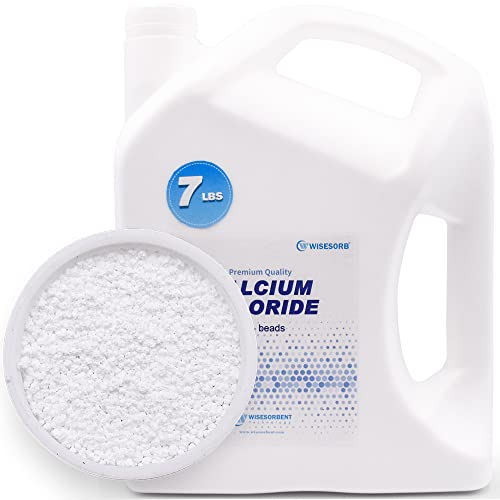
- calcium chloride moisture absorber desiccant for home musty smell control


Before You Start
Before beginning, note that moisture problems can indicate structural or plumbing issues. Check for leaks, roof or gutter problems, and downspouts directing water toward the foundation. Set a realistic timeframe—dehumidification and air purification can take several days to noticeably reduce odors. Always unplug electrical equipment before moving or servicing and use protective gloves when handling moisture absorbers. If the space is severely damp, consider temporary relocation of occupants and furniture to prevent mold exposure.
Step-By-Step: How To Use Dehumidifiers, Purifiers, And Desiccants To Remove Water Odor
- Place the 60 pint dehumidifier with drain hose in the dampest area, preferably the basement or a central living space near the odor source. Ensure the drain hose leads to a floor drain or suitable sump to prevent water pooling.
- Set the dehumidifier to a target relative humidity of 50–60%. Run continuously until the space stabilizes, then switch to regular automatic operation based on humidity readings.
- Position the air purifier with activated carbon filter in a central location or near the odor source to maximize adsorption of volatile organic compounds and musty molecules. Ensure filters are correctly installed.
- Run both the dehumidifier and air purifier simultaneously for 24–72 hours, checking humidity levels daily and replacing or refreshing carbon filters as recommended by the manufacturer.
- Place the calcium chloride moisture absorber desiccant in problem spots such as closets, laundry rooms, or under sinks where moisture collects. Replace the desiccant according to its label when it becomes saturated.
- Test for lingering smells by opening windows during dry, sunny days to flush out stale air. Use the air purifier in high mode during these periods to accelerate odor removal.
- Conduct a thorough cleaning of affected areas—dust surfaces, wash fabrics, and launder curtains or drapes. Odor often latches to soft furnishings, so consider steam cleaning where appropriate.
- Re-scan the space with the air purifier and re-check humidity after several days. If odors persist, inspect for hidden moisture sources like wall leaks or crawl spaces and address them promptly.
- Maintain a regular routine: monitor humidity, empty and clean the dehumidifier’s water reservoir (or rely on the drain), and replace carbon filters on schedule to sustain air quality.
- Document improvements and adjust placement of devices for optimal coverage. Small shifts in location can significantly impact odor removal efficiency.
- If odor remains even after consistent moisture control, consider professional mold inspection to ensure there are no hidden infestations that could worsen air quality.
Troubleshooting
| Symptom | Likely Cause | Fix | Prevention |
|---|---|---|---|
| Persistent musty smell after dehumidifier runs | Insufficient humidity control or hidden moisture | Increase dehumidifier run time; inspect for leaks | Address water intrusion and improve ventilation continuously |
| Air purifier seems ineffective | Carbon filter saturated or purifier undersized for the space | Replace carbon filter; move purifier to a more central location | Choose a unit with appropriate CADR for room size |
| Calcium chloride absorber saturates quickly | High moisture load or poor placement | Place in multiple spots; replace when saturated | Combine with dehumidification and ventilation |
| Walls feel damp or paint peeling | Potential structural moisture intrusion | Schedule professional inspection | Seal leaks and improve drainage outside the home |
Common Mistakes
- Relying on a single device to solve a moisture problem
- Blocking airflow around the dehumidifier or purifier by tightly enclosing them
- Ignoring maintenance, such as forgetting to replace filters or empty the dehumidifier
- Overlooking hidden moisture sources like basements, crawl spaces, or laundry rooms
Tips For Best Results
- Keep doors closed in the affected area to maintain humidity control.
- Place the dehumidifier on a flat, raised surface to improve drainage and airflow.
- Combine odor-focused sources with regular cleaning to address both moisture and contaminants.
- Use washable fabrics and use baking soda or odor-neutralizing sprays only after confirming compatibility with surfaces.
- Periodically reassess space layout; moving devices can enhance effectiveness.
Call A Professional
Stop signs to contact a pro include persistent dampness after consistent moisture control, visible mold growth, warped walls, or ongoing odors despite using multiple devices. If there are signs of structural leaks, electrical hazards, or continuous water intrusion, consult a licensed contractor or mold remediation specialist promptly.
FAQ
Can a dehumidifier alone remove musty odors?
Dehumidifiers reduce moisture, which can lessen odors, but best results come from combining humidity control with air filtration and targeted moisture absorbers.
How long should I run a dehumidifier for odor removal?
Run continuously for 24–72 hours in the affected area, then maintain at a consistent humidity level around 50–60%.
Is activated carbon essential in an air purifier for odor control?
Activated carbon helps absorb volatile compounds that cause odors, especially mustiness, and is recommended for odor-prone spaces.
Are calcium chloride absorbers safe around pets and kids?
Generally safe when used as directed; place them out of reach and follow product instructions to minimize exposure risks.
What maintenance steps matter most for odor control?
Regular filter changes, emptying and cleaning the dehumidifier, and timely replacement of desiccants ensure continued performance.
When should I replace filters in the air purifier?
Replace according to the manufacturer’s schedule or sooner if airflow decreases or odors persist.
Should I ventilate while treating moisture?
Yes, where weather and safety permit, open windows briefly to exchange air and reduce indoor pollutant buildup.
Buying Guide
Choosing the right setup for water odor control involves several factors. Consider the space size, humidity levels, and odor severity to determine the appropriate combination of devices.
- Size and capacity: A 60 pint dehumidifier is well-suited for basement areas and medium-to-large rooms. For smaller spaces, a compact unit can suffice, while larger basements may require higher capacity models or multiple units.
- Noise level: Dehumidifiers and air purifiers produce some noise. Look for units with low decibel ratings for living rooms and bedrooms to minimize disruption.
- Energy efficiency: Energy Star-rated models typically offer better long-term operating costs. Consider energy consumption in relation to humidity targets and daily run time.
- Controls and features: Digital displays, programmable schedules, auto-restart after power loss, and smart home compatibility can simplify operation and maintenance.
- Placement: Position devices to maximize air circulation—avoid corners, keep a few feet of clearance around each unit, and route drains away from walkways.
- Maintenance needs: Filter life, desiccant replacement frequency, and availability of replacement parts affect total cost of ownership.
- Allergen and odor performance: An air purifier with activated carbon filters is particularly helpful for musty odors and mold spores, while desiccants add moisture-absorbing capacity in tight spots.
- Purchase consideration: For persistent basement moisture, a combination of dehumidifier, air purifier, and calcium chloride absorbers often delivers the best results; plan for a multi-device approach if needed.
With the right mix and consistent use, homeowners can dramatically reduce water smells and improve indoor air quality, creating a more comfortable living environment.
Leave a Reply