How to Get Rid of Wall Geckos Permanently
Wall geckos are common in many American households, especially in warm, humid areas. While they can help control insect pests, many homeowners want reliable, humane methods to reduce or prevent visits. This guide provides practical steps combining sealing, deterrents, and safe practices to minimize gecko activity inside living spaces.
Quick Answer
Seal entry points, use safe deterring measures, and maintain clean, dry interiors. Start with reducing access and food sources, then apply targeted barriers and deterrents for best long-term results.
What You’ll Need
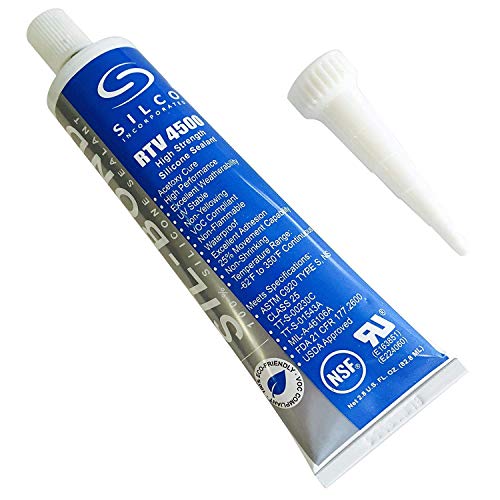
- clear silicone sealant pest-proofing gaps gecko deterrent — for sealing gaps around doors, windows, and baseboards
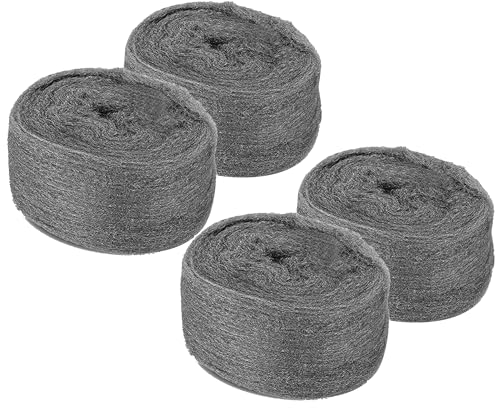
- steel wool pest barrier kit door and window gaps gecko deterrent — to fill larger gaps and prevent gnawing penetration
- ultrasonic pest repeller device gecko deterrent deterrence — optional, for continuous indoor deterrence

Before You Start
Prepare the area by clearing clutter near entry points and ensuring exterior lighting is minimized or redirected away from entryways. Check for small cracks in walls, behind sinks, and around plumbing penetrations. Time estimates vary by home size, but a focused weekend effort typically yields noticeable results. Safety note: work with proper ventilation when applying sealants and wear gloves to prevent skin irritation. If you rent, obtain permission for modifying doors and windows.
Step-By-Step: How To Get Rid of Wall Geckos Permanently
- Identify primary entry points by observing light escapes at night and gecko activity around doors, windows, and vents.
- Seal small cracks with clear silicone sealant pest-proofing gaps gecko deterrent, ensuring a tight, continuous bead around frames.
- Fill larger gaps with the steel wool pest barrier kit door and window gaps gecko deterrent to deter entry and block gnawing.
- Address gaps under doors and thresholds with weatherstripping or door sweeps to reduce indoor access.
- Replace damaged window screen edges and seal any frame joints to prevent geckos from squeezing through.
- Declutter and reduce indoor insect prey by cleaning spills, storing food, and using tight-fitting lids on trash cans.
- Place ultrasonic pest repeller device gecko deterrent deterrence in strategic areas where activity occurs, following manufacturer instructions.
- Monitor lighting and reduce outdoor insect-attracting sources near entry points; consider yellow or amber bulbs that attract fewer insects.
- Maintain dry interiors; fix any leaks promptly and ventilate damp spaces like bathrooms and laundry rooms.
- Establish a routine check every 1–2 weeks to re-tighten seals, replace damaged screens, and keep gaps closed.
- Teach household members to keep doors closed and to promptly report new cracks or gaps they notice.
- Reassess after 4–6 weeks and adjust deterrents if gecko sightings persist in specific zones.
Troubleshooting
| Symptom | Likely Cause | Fix | Prevention |
|---|---|---|---|
| Geckos find new entry points after sealing | Unnoticed gaps or openings | Reinspect walls, baseboards, and plumbing penetrations; reseal with silicone | Regular inspections every few months |
| Geckos return despite deterrents | Remaining food sources or water leaks | Eliminate crumbs, fix leaks, improve sanitation | Consistent cleaning schedule |
| Insects increase indoors | Deterrents not addressing lure | Enhance sealing and consider pheromone-free traps outside | Keep screens intact and outdoor lighting controlled |
| Ultrasonic device seems ineffective | Geckos habituating to sound | Rotate devices and place along travel paths | Combine with sealing and cleaning |
Common Mistakes
- Rushing to seal only one area while ignoring other entry points
- Using caulk or sealant in damp places without proper ventilation
- Neglecting outdoor maintenance such as yard debris that harbors insects
- Relying solely on deterrents without addressing access and food sources
Addressing geckos requires a holistic approach that combines access control, sanitation, and deterrence for durable results.
Tips For Best Results
- Seal from outside inward to prevent pulling in air drafts and to block entry more effectively.
- Focus on lighting controls; geckos are attracted to insects drawn to light, so reduce outdoor lighting near entryways.
- Maintain a dry, clean indoor environment to make interiors less appealing to geckos and their prey.
- Use a combination of barriers (sealant and steel wool) for the most durable gain, especially in older homes with multiple gaps.
- Documentation of problem areas helps track progress and tailor future sealing efforts.
Call A Professional
Consider a professional if you notice persistent gecko activity despite sealing and deterrents, or if you discover large holes or structural issues around foundations. Stop signs include ongoing indoor sightings after extended efforts, evidence of structural damage, or if you experience safety concerns when handling materials. A licensed pest control or general contractor can assess risk areas, seal hard-to-reach gaps, and ensure compliance with local codes.
FAQ
Are geckos harmful to humans?
Geckos are generally harmless and can help reduce insect populations inside homes.
Will silicone sealant alone solve the problem?
Sealant is a key part of a multi-step approach but works best when combined with gaps filling and deterrents.
How long does it take to see results?
Most homes notice improvements within 4–6 weeks, though complete results depend on gaps and cleanliness.
Can I use multiple deterrents at once?
Yes, combining barriers, sanitation, and deterrents often yields the best results, but follow product instructions and avoid overcrowding plug-in devices.
What should I do if geckos appear in multiple rooms?
Prioritize sealing in the most accessible routes first, then extend to other rooms while maintaining cleanliness and monitoring for new gaps.
Is it safe to use ultrasonic devices around pets?
Most ultrasonic devices are safe for humans and pets when used as directed; check manufacturer guidelines for pets with heightened sensitivity.
Buying Guide
When selecting products to help deter wall geckos, consider size and placement of gaps, the effectiveness of barriers, and the practicality of deterrents. Look for products that complement each other: sealants for small cracks, steel wool for larger openings, and optional ultrasonic deterrents for ongoing coverage. Evaluate noise concerns, energy use, and whether devices are suitable for indoor placement near living areas. If a door or window is frequently opened, pair barriers with door sweeps and properly fitted screens. A layered approach often yields the most durable reduction in gecko activity without compromising comfort or safety.
Leave a Reply