How to Get Rid of VOCs at Home: Practical Steps
Volatile organic compounds (VOCs) can come from paints, cleaners, furnishings, and various household products. Proper ventilation, filtration, and careful material choices can reduce indoor VOC levels and improve air quality. This guide provides actionable steps for American homes to minimize VOC exposure safely and effectively.
Quick Answer
Ventilate well during and after activities that release VOCs; use air purifiers with activated carbon filters for targeted VOC removal; consider low-VOC interior paint for future projects; and monitor air with a handheld VOC detector sensor for feedback on improvements.
What You’ll Need
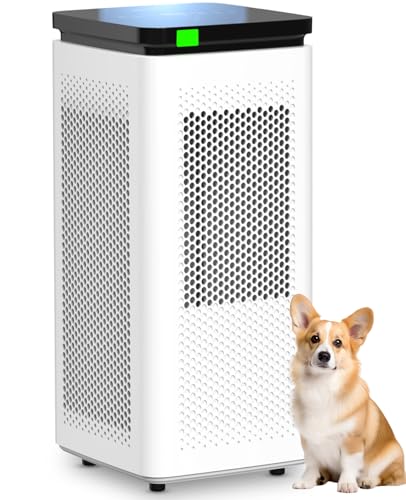
- air purifier with activated carbon filter VOC removal
- handheld VOC detector sensor
- low-VOC interior paint


Before You Start
Assess the space: small rooms require longer ventilation periods and possibly multiple air changes. Ensure there is adequate airflow to prevent stagnation. Follow safety data sheets (SDS) for any products releasing VOCs and wear appropriate protection when handling strong solvents. Estimate time: plan several hours to days depending on the source and ventilation. If anyone in the home has chemical sensitivities, proceed cautiously and consider relocating activities to a well-ventilated area or outdoors when possible.
Step-By-Step: How To Get Rid Of VOCs
- Identify VOC sources: list products and materials releasing fumes, focusing on paints, solvents, and air fresheners.
- Ventilate thoroughly: open windows and doors, use exhaust fans, and create cross-ventilation to replace indoor air with outdoor air.
- Use an air purifier with activated carbon: place in the space where VOCs are detected or highest; run continuously during the cleanup.
- Schedule material replacement: opt for low-VOC interior paint and low-emission products for ongoing projects.
- Vacuum and clean surfaces: use a vacuum with a HEPA filter, then wipe surfaces with a damp cloth to remove residues that may off-gas.
- Seal off VOC sources: repair leaks, seal containers, and ensure proper storage of solvents to minimize ongoing emissions.
- Monitor air levels: use a handheld VOC detector sensor to track changes and verify improvements over time.
- Schedule follow-up refreshes: replace filters as recommended by the purifier manufacturer and re-check rooms after 24–72 hours.
- Plan long-term maintenance: adopt lower-emission products for future renovations and maintain good ventilation practices year-round.
Troubleshooting
| Symptom | Likely Cause | Fix | Prevention |
|---|---|---|---|
| Persistent smell after cleaning | Insufficient ventilation or hidden VOC source | Increase air exchanges; recheck all containers | Choose low-emission products; store chemicals properly |
| VOC readings spike near new furniture | Outgassing from materials | Ventilate 24–72 hours; use carbon filtration | Purchase low-VOC or no-VOC items |
| Air purifier not reducing VOC levels | Filter not rated for VOCs or wrong placement | Switch to purifier with activated carbon; relocate away from walls | Run continuously during peak emission periods |
| Allergies worsen with fumes | Hidden source or poor filtration | Identify source; upgrade filtration | Limit use of scented products |
Common Mistakes
- Relying on fragrances instead of removing VOC sources
- Using air fresheners that mask odors without reducing VOCs
- Neglecting proper ventilation during painting or remodeling
- Choosing inexpensive filters without activated carbon for VOC capture
Tips For Best Results
- Pair ventilation with a carbon-filter purifier for best VOC reduction.
- Choose low-VOC interior paint for all painting projects to minimize emissions from the start.
- Use a handheld VOC detector sensor to establish a baseline and monitor progress after interventions.
- Follow manufacturer instructions for purifier maintenance and filter replacement.
- Store solvents in tightly sealed containers and dispose of them according to local regulations.
Call A Professional
Seek professional help if VOC levels remain high after improvements, if there is suspected asbestos or lead in older homes, or if occupants experience persistent headaches, dizziness, or respiratory symptoms despite mitigation. Consider a certified indoor air quality specialist or industrial hygienist for comprehensive testing and remediation plans.
FAQ
What are VOCs and why are they a concern?
VOCs are organic chemicals that readily vaporize at room temperature and can affect air quality and health with prolonged exposure.
How quickly can VOCs be reduced in a room?
Results vary, but with good ventilation, a carbon-filter purifier, and low-emission products, noticeable improvement can occur within hours to a few days.
Are there safe DIY paints with low emissions?
Yes, look for low-VOC interior paint labels and verify certifications for indoor air quality.
Do air purifiers with carbon filters remove all VOCs?
They remove many common VOCs but not all; choose models designed for VOC removal and provide adequate air circulation.
Can a handheld VOC detector replace professional testing?
It helps monitor trends and guide actions, but professional testing may be needed for a definitive assessment in complex spaces.
Buying Guide
When selecting products to reduce VOCs, consider size, noise, energy use, controls, and placement. A well-sized air purifier with an activated carbon filter should match room volume and be positioned for optimal airflow. Quiet operation and energy efficiency minimize disruption in living areas. For ongoing projects, supplement with low-VOC interior paint to lower emission sources. In spaces with high VOC risk, a handheld VOC detector sensor provides real-time feedback to guide interventions. Compare units by carbon filter life, replacement cost, and warranty, and ensure the purifier supports the square footage you need. For DIY enthusiasts, plan ahead to ventilate during work and consider temporary relocation if odors are strong. Always follow safety guidelines when handling solvents and paints, and store materials properly to prevent off-gassing.
Leave a Reply