How to Get Rid of Vape Smell in Car
Vape aroma can cling to fabrics and headliners, making driving less pleasant for you and passengers. This guide provides practical steps to reduce or eliminate vape odors in a car using consumer devices and common-sense cleaning techniques. The methods focus on eliminating odor molecules rather than masking them, improving air quality for everyday trips and longer drives.
Quick Answer
Start with ventilation and surface cleaning, then deploy air treatment devices designed for odor removal. For persistent smells, combine an activated carbon purifier and a car ozone generator odor eliminator, followed by ongoing deodorization with gel absorbers. Regular maintenance boosts long-term effectiveness.
What You’ll Need
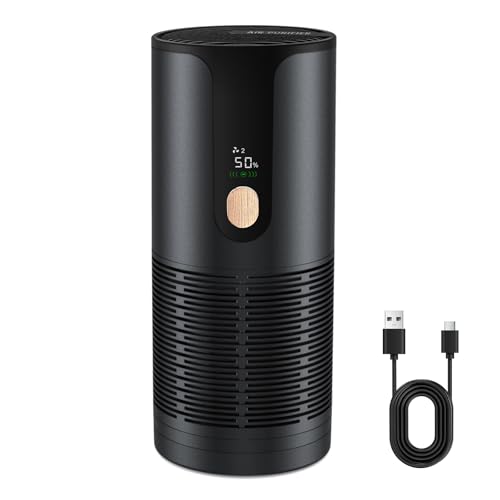
- Portable car air purifier HEPA activated carbon for cigarette smoke odor removal
- Car ozone generator odor eliminator for vape smoke
- Car odor absorber activated carbon deodorizer gel for smoke smell


Before You Start
Before beginning, ensure the vehicle is in a well-ventilated area with the engine off and keys removed. Do not operate ozone generators in occupied vehicles; use them only with windows open or in a parked, empty car according to the device’s instructions. Plan for 30–90 minutes of treatment plus cleaning time. Wear a mask if you are sensitive to odors or fumes. Test any cleaning product on a small, inconspicuous area first to avoid damage.
Step-By-Step: How To Get Rid Of Vape Smell In Car
- Open all doors and windows to maximize cross-ventilation and remove as much odor-laden air as possible.
- Remove loose debris from seats, floors, and mats; vacuum thoroughly to pick up odor-trapping particles.
- Wipe down hard surfaces such as the dashboard, console, and door panels with a mild cleaner suitable for automotive interiors.
- Washes or machine-cleans removable fabric items (seat covers, floor mats) if possible; air-dry completely before reassembly.
- Place a portable car air purifier with HEPA and activated carbon near the center or rear seating area to continuously filter air.
- Run the purifier for several hours with the car doors open initially, then with doors closed but windows cracked to maintain airflow.
- If odor persists, use a car ozone generator odor eliminator as directed, ensuring the car is unoccupied during treatment and post-treatment airing-out time.
- Introduce a car odor absorber activated carbon deodorizer gel to target remaining molecules, placing it under seats or in cup holders away from heat sources.
- Reassess after 24–48 hours; repeat cleaning or filtration steps as needed for stubborn smells.
- Maintain a regular odor-control routine: keep vents clean, replace carbon-based filters, and refresh odor gels monthly.
- For families with frequent vaping, consider routine window ventilation during trips and after long drives to prevent buildup.
- Document any recurring odors and adjust the tactic accordingly, such as increasing purifier run-time or repositioning devices for better coverage.
Troubleshooting
| Symptom | Likely Cause | Fix | Prevention |
|---|---|---|---|
| Smell returns after cleaning | Odor molecules embedded in fabrics | Re-clean with fabric-safe cleaner and run purifier longer | Regular refresh of odor absorbers |
| Ozone generator alarms or weak results | Insufficient exposure, not fully aired out | Follow device instructions precisely; allow full airing after treatment | Schedule treatments sparingly; avoid overuse |
| Purifier not improving air quality | Filters saturated or device not sized for vehicle | Replace filters, reposition purifier for better circulation | Choose a model appropriate for car cabin size |
| Gel deodorizer dries out quickly | Heat or direct sun exposure | Move to shade; replace if needed | Place away from vents where heat accumulates |
Common Mistakes
- Relying on air fresheners alone without addressing the source
- Running non-automotive deodorizers that can damage interior surfaces
- Overlooking fabric and carpet odor reservoirs
- Ignoring safety guidelines for ozone treatments
Addressing odors comprehensively yields the best results, combining cleaning, filtration, and targeted odor removal devices.
Tips For Best Results
- Run the air purifier on high for the first 24–48 hours, then switch to a medium setting to maintain air quality.
- Use activated carbon filters specifically designed for smoke and VOCs to maximize odor capture.
- Schedule odor-control routines after long trips or after recurring vaping events.
- Keep sun exposure to a minimum for odor gels and avoid placing them near heat vents.
- Rotate device placement periodically to ensure even coverage across all cabin zones.
Call A Professional
Seek professional help if odors persist after multiple cleaning cycles and device use, or if you notice persistent mold-like smells, water damage, or unusual air quality concerns. Specifically contact a car detailer with odor-remediation experience or an HVAC specialist for persistent VOC issues.
FAQ
Can an ozone generator be used while people are in the car?
No. Ozone generators should be used only in unoccupied spaces, and the vehicle should be fully aired before re-entry per device instructions.
How long should I run a car air purifier?
Start with several hours, then reduce to a maintenance level as odors diminish.
Will gel deodorizers remove vape smell completely?
Gel absorbers help reduce odors but work best when used with cleaning and filtration methods.
How often should I replace activated carbon filters?
Follow the manufacturer’s guidance; typically every few months with regular use.
Buying Guide
Choosing the right odor-control setup for a car involves considering size, noise, energy use, controls, and placement. Key questions include: How large is the cabin, and will the purifier cover the full interior? Is the device quiet enough for comfortable driving? What is the energy impact for long trips? Are controls intuitive and accessible while driving? Where should devices be placed for optimal placement and safety?
- Size and coverage: Match the purifier’s CADR or stated car-cabin coverage to the vehicle size. Larger cabins benefit from higher-capacity purifiers or multiple units.
- Noise level: Look for devices with low decibel ratings suitable for a calm cabin environment, especially during nighttime driving.
- Energy efficiency: Consider models with efficient motors and auto-off timers to minimize energy use on long trips.
- Controls and ease of use: Prefer simple, one-button or app-controlled devices that are easy to operate with seat belts on.
- Placement: Position purifiers where air can circulate freely and away from direct sunlight or heat sources that can degrade components.
- Maintenance: Check filter life, gel refills, and replacement costs to estimate ongoing expenses.
- Safety: Ensure any ozone devices are used only as directed and never while occupants are present.
- Combination approach: A mix of filtration, adsorption, and occasional odor treatment yields the best outcomes for vape odors.
With the right approach, eliminating vape smells from a car becomes a straightforward routine rather than a recurring hassle. Ready to freshen up your cabin? Start with ventilation, add the odor-control devices described, and maintain a steady cleaning and deodorizing schedule for best results.
Leave a Reply