How to Get Rid of Urine Stains With Enzymatic Cleaners
Urine stains can leave stubborn marks and lingering odors on carpets, upholstery, and fabrics. Enzymatic cleaners target the organic compounds in urine, breaking them down at the molecular level to eliminate stains and odors. This guide provides practical steps for American households to restore surfaces safely and effectively.
Whether dealing with pet accidents or human urine, timely treatment improves results. The methods below emphasize using enzyme-based products that are designed for fabric and carpet challenges, helping you regain a fresh, clean space without harsh scrubbing or repeated applications.
Quick Answer
Act quickly, blot to remove excess liquid, then apply an enzymatic cleaner directly to the stain. Let it dwell as directed, blot again, and allow to air dry. For persistent odors, repeat the treatment and consider a second pass with a odor-neutralizing spray after the enzymatic cleaner dries.
What You’ll Need
- enzyme urine stain remover carpet cleaner 32 oz
- pet urine stain & odor remover enzymatic cleaner spray 24 oz
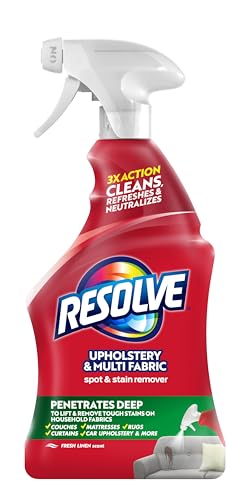
- stain remover for urine on fabric upholstery spray 24 oz


Before You Start
Prepare the area by removing furniture and vacuuming the surface to lift dry soils. Test the cleaner on a small, inconspicuous area first to ensure there is no discoloration. Use cool or lukewarm water for blotting; hot water can set the stain. Plan for a minimum drying window of several hours to overnight, depending on material and ventilation. Avoid mixing cleaners or using ammonia-based products, which can worsen odors or damage fibers.
Surface safety notes vary by material. For carpets and upholstery, keep the room well-ventilated and use disposable towels to prevent cross-contamination. If the stain is on wall-to-wall carpet or delicate fabric, consider a spot test on an adjacent area before full treatment.
Step-By-Step: How To Use Enzymatic Cleaners On Urine Stains
- Blot the stain with clean towels to remove as much liquid as possible without rubbing, which can push the stain deeper.
- Apply the enzymatic cleaner generously to saturate the affected area, ensuring the liquid penetrates the fibers or carpet backing.
- Allow the product to dwell for the time indicated on the label. Do not cover with plastic; allow air exposure for the enzymes to work.
- Blot again with clean towels to lift loosened material, then blot with a bit of cold water to remove any residue from the cleaner.
- Repeat the application if any stain or odor remains after the surface dries.
- Once dry, check for any lingering odor. If present, reapply the enzymatic cleaner and re-dry before the area is used again.
- If the stain is on fabric upholstery, consider a light rinse cycle or fabric-safe extraction tool if available, following the cleaner’s guidance.
- Finish with a fabric-safe odor remover spray or dehumidifying step to minimize residual scent and moisture buildup.
Troubleshooting
| Symptom | Likely Cause | Fix | Prevention |
|---|---|---|---|
| Stain reappears after drying | Incomplete treatment or deep-set stain | Reapply enzymatic cleaner and allow full dwell time | Address spills promptly; avoid over-wetting fabric |
| Persistent odor despite cleaning | Underlying moisture or bacteria | Use odor-neutralizing spray after enzymatic cure; ensure thorough drying | Increase ventilation; use fans or dehumidifier |
| Discoloration on fabric | Harsh chemical interaction or dye sensitivity | Test spot, then discontinue use if color shifts | Always test on inconspicuous area first |
| Stiff or tacky surface after drying | Over-wetting or residue | Rinse lightly with cold water and blot dry | Use minimal but sufficient product per area |
Common Mistakes To Avoid
- Using hot water or heat, which can set proteins and odors
- Rubbing vigorously, which pushes stain deeper into fibers
- Mixing cleaning products that react unpredictably
- Applying too little cleaner, leading to incomplete stain removal
Tips For Best Results
- Work from the outside edge of the stain toward the center to prevent spreading
- Allow enough drying time between treatment passes for the enzymes to work effectively
- Choose the right product for the surface: carpet, fabric upholstery, or hard-to-reach areas
- For pet areas, consider a follow-up odor spray designed for pet-safe use after cleaning
Call A Professional
Seek professional help if stains cover a large area, involve delicate or antique fabrics, or if odors persist after multiple treatments. Immediate professional input is advised for antique upholstery, wall-to-wall carpet installations, or fibers that show color bleeding.
FAQ
What distinguishes enzymatic cleaners from regular cleaners?
Enzymatic cleaners use biological enzymes to break down urine proteins, offering deeper odor and stain removal on organic materials compared to many non-enzymatic cleaners.
Can these cleaners damage carpet or fabric?
When used as directed and tested on a hidden area first, enzymatic cleaners are generally safe for most carpets and fabrics.
How long should I let the cleaner dwell?
Follow the product label for dwell times, typically ranging from several minutes to an hour.
Is it necessary to rinse after enzymatic cleaning?
Rinsing is not always required, but a light rinse can help remove residue and reduce stiffness on some fabrics.
Buying Guide
When choosing an enzymatic cleaner for urine stains, consider these factors to maximize outcomes:
- Size and coverage: Larger bottles cover bigger areas with fewer applications, beneficial for rooms with multiple stains.
- Target surface: Look for formulas labeled for carpet, fabric, and upholstery to ensure safe use on your materials.
- Enzyme effectiveness: Some products use multiple enzymes to tackle different urine components; stronger formulas can handle tougher stains.
- Odor control: Additional deodorizing agents can help neutralize lingering scents beyond stain removal.
- Application method: Sprays vs. pours—choose based on stain size and ease of use for your space.
- Drying time: Quick-drying formulas reduce downtime, especially in high-traffic areas.
- Safety and certification: Look for products with pet-safe, asthma-friendly, or low-VOC claims where applicable.
- Placement considerations: For large areas, plan a treatment sequence to maintain consistent coverage without over-wetting the surface.
Ready to tackle urine stains confidently? Use the enzyme-based products listed to target both stain and odor at the source, then follow drying and ventilation steps to restore freshness across carpets and fabrics. If unsure about fabric compatibility or persistent odors, consulting a professional can provide tailored solutions and peace of mind.
Leave a Reply