How to Remove Tannins From Water: Quick at-Home Methods
Tannins can impart a yellow to brown hue and earthy odor to water, often leaving staining on fixtures and a distinct taste. This guide outlines practical steps to reduce or remove tannins from residential water using commonly available filtration options. The approach prioritizes safety, efficiency, and ease for American households.
Quick Answer
Best initial approach: install a dedicated tannin removal solution such as a carbon block filter designed for tannin reduction or pair a tannin removal water filter cartridge with your existing filtration system. For higher tannin loads, a multi-stage filter or whole-house solution with activated carbon can be effective. Regular maintenance is essential to keep performance steady.
What You’ll Need
- Tannin removal water filter cartridge
- Carbon block water filter tannin removal
- Wine tannin reducer filter cartridge
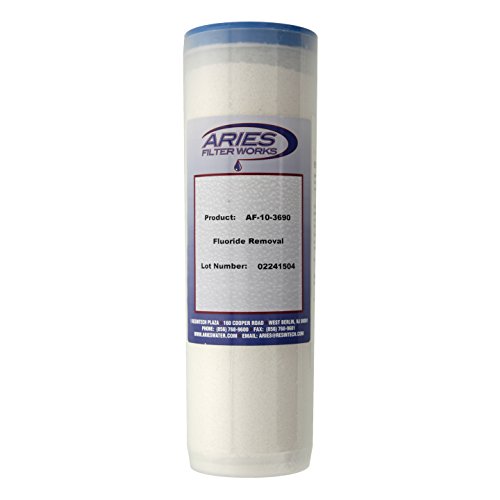
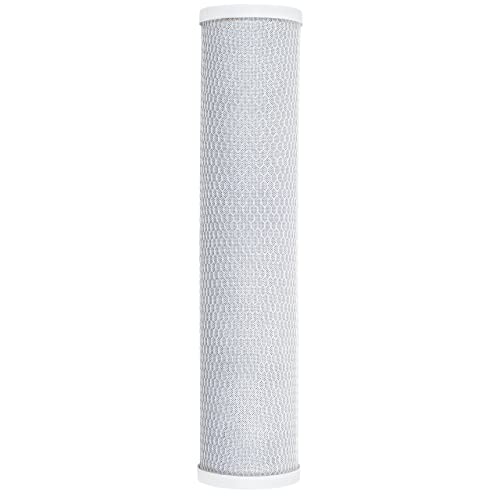

Before You Start
Assess your water source and current filtration setup. Identify taste, color, and odor concerns, and note any staining on fixtures. If you rely on municipal water, check the latest water quality report for tannin levels. For well water, a professional test is recommended. Safety first: turn off the water supply before replacing cartridges and follow manufacturer installation instructions. Expect a typical filter replacement interval of 3–12 months depending on usage and water quality.
Step-By-Step: How To Remove Tannins From Water
- Shut off the main water supply and relieve pressure from the system before working on filters.
- Identify locations where tannin reduction is needed: under-sink, whole-house, or appliance-specific filtration.
- Install a tannin removal water filter cartridge in the appropriate housing according to the manufacturer’s directions.
- If using a carbon block water filter tannin removal, ensure the cartridge is compatible with your housing and flow rate.
- For multi-stage systems, place the wine tannin reducer filter cartridge in the pre- or post-filter stage to minimize color compounds before final polishing.
- Flush the system for several minutes after installation to purge air and loosen loose carbon particles.
- Run cold water and taste-test for odor and color; check for reduced tannin presence after the first flushing period.
- Record the installation date and set a reminder for cartridge replacement based on your water usage and manufacturer recommendations.
- Perform periodic checks for any changes in taste or color and replace cartridges as needed.
- Consider a routine water test every 6–12 months to verify tannin reduction efficiency and system integrity.
- If tannin levels remain high after a cartridge change, evaluate whether a higher-capacity or additional stage is required.
- Keep the area around the filtration cabinet clean and ensure hoses are in good condition to prevent leaks.
Troubleshooting
| Symptom | Likely Cause | Fix | Prevention |
|---|---|---|---|
| Water still discolored after filter change | Cartridge not seated properly or wrong type | Reinstall correctly or confirm compatibility | Follow manufacturer specs; use recommended cartridge model |
| Weak water flow after replacement | Clogged filters or air in line | Flush system per instructions; replace clogged cartridge | Pre-bleed and rinse before full use |
| Unusual taste/odor persists | Residual tannins or incompatible media | Consider a second stage or higher-capacity carbon block | Schedule periodic media refresh |
| Leaks around housing | Improper gasket seating or loose fittings | Inspect seals and tighten fittings | Regularly inspect connections |
Common Mistakes
- Using filters not designed for tannin removal or relying on standard carbon filters alone
- Not flushing after installation, leading to misleading taste results
- Ignoring replacement schedules and letting filters chronically clog or degrade
- Overlooking compatibility with existing systems when adding a tannin-focused cartridge
Keeping to purpose-built media improves performance and reduces long-term costs.
Tips For Best Results
- Pair carbon-based media with pre-filter steps to extend cartridge life and enhance color removal.
- Match filter capacity to household water usage for consistent tannin reduction.
- Consider whole-house solutions if tannins affect multiple outlets and appliances.
- Label filter change dates on a calendar or app reminder to avoid gaps in performance.
Call A Professional
Contact a licensed plumber or water-treatment specialist if you notice persistent staining, persistent taste issues after proper filtration, or if you plan to install a whole-home filtration system. Stop and seek professional help if you detect leaks, unusual noises, or pressure drops that you cannot resolve.
FAQ
What is tannin, and why is it in water?
Tannins are natural compounds from vegetation that can color water and affect taste and odor. They may originate from source water or corroded infrastructure.
Can I remove tannins with a standard water filter?
Most standard filters don’t target tannins effectively. Look for filters labeled for tannin removal or carbon block media designed for color reduction.
How often should I replace tannin-focused cartridges?
Replacement intervals depend on water quality and usage, typically every 3–12 months. Follow the manufacturer’s guidance.
Is there a difference between filtration at the point of use and whole-house systems for tannins?
Point-of-use systems treat water at a single outlet, while whole-house systems reduce tannins across the home. Choose based on where discoloration and taste issues occur.
Will tannin removal affect minerals in water?
Filters aimed at tannin removal may also reduce some dissolved organic matter; most consumer systems preserve essential minerals, but always review media specifications.
Buying Guide
When selecting a tannin reduction solution, consider size, noise level, energy efficiency, controls, and placement. For small households, a under-sink or countertop unit with a tannin removal water filter cartridge can address localized issues. For entire homes or multiple outlets, a compact whole-house or multi-stage system offers consistent performance. Look for media that specifically targets color compounds (tannins) and verify compatibility with your plumbing and flow rates. Assess installation complexity and maintenance costs. If space is limited, choose inline cartridges with quick-change mechanisms. Noise level matters for under-sink units near living spaces, so review product specifications. Finally, compare long-term replacement costs rather than upfront price to gauge value over time.
Leave a Reply