How to Remove Super Glue From Fingers Safely
Super glue on the fingers is a common office or craft mishap. With the right approach and products, the glue can be removed without damaging skin. This guide provides practical steps, safety tips, and product recommendations to help users in the United States handle adhesive mishaps effectively.
Quick Answer
Use a gentle acetone-based remover designed for skin, apply it to the affected area, and gently rub or peel away the glue. If irritation appears, stop and wash with soap and water. For stubborn residue, repeat with a fresh application and consider specialty products such as adhesive remover wipes or gel designed for skin contact.
What You’ll Need
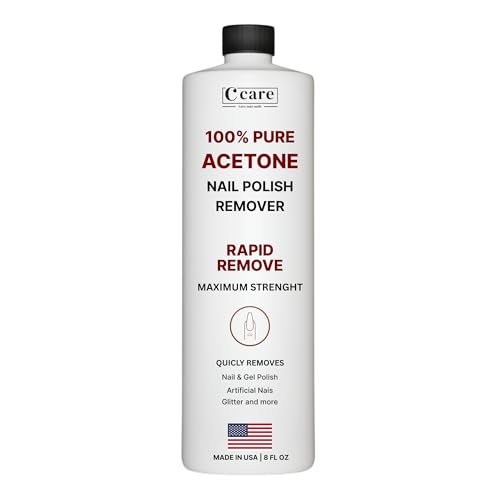
- Acetone-based nail polish remover for skin 100ml (gentle on skin, formulated for contact)
- Super glue remover gel acetone 100ml ( thicker gel for targeted application)
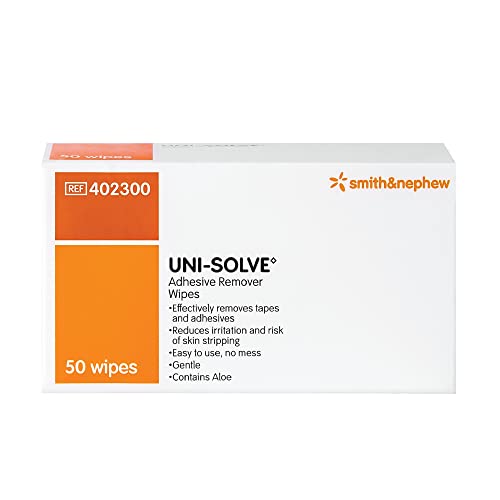
- Adhesive remover wipes for skin super glue (easy to apply on the go)
- Soap and warm water for cleansing
- Petroleum jelly or moisturizer (to soothe skin after removal)

Before You Start
Assess the glue bond. If skin is broken, heavily irritated, or if glue is near the eyes or mouth, stop and seek medical advice. Avoid using acetone around open wounds or sensitive areas. Work in a well-ventilated area to minimize inhalation of fumes. Time estimates vary: expect 5–20 minutes for light bonds and longer for thick, dried glues. Have a clean towel nearby to dry hands after treatment.
Step-By-Step: How To Remove Super Glue From Fingers
- Wash hands with soap and warm water to remove surface contaminants.
- Pat dry gently, then inspect how the glue is bonded to the skin.
- Apply a small amount of acetone-based nail polish remover for skin or super glue remover gel acetone to a cotton ball or swab.
- Hold the applicator to the glued area for 10–30 seconds to soften the adhesive.
- Gently rub the area in circular motions or peel the edge of the glue away from the skin as it loosens.
- If residue remains, reapply the remover and repeat until most of the glue lifts.
- Cleanse again with soap and warm water to remove acetone and loosened glue.
- Dry thoroughly and apply a thin layer of moisturizer or petroleum jelly to soothe skin.
- If irritation occurs, rinse immediately and discontinue use; switch to a milder method such as warm soapy soaking.
- For stubborn spots, use adhesive remover wipes for skin super glue as a follow-up treatment.
- Dispose of used wipes and wash hands thoroughly after treatment.
- If any skin reaction persists beyond a few hours, seek medical advice.
Troubleshooting
| Symptom | Likely Cause | Fix | Prevention |
|---|---|---|---|
| Glue remains after first try | Dried adhesive is still bonded | Reapply remover, let sit longer, repeat | Allow time for acetone to work; avoid rushing |
| Irritation or burning | Acetone sensitivity or overuse | Rinse with water, stop using acetone, apply moisturizer | Test on small area first |
| Glue on nails or cuticles only | Glue near delicate skin | Use remover with a gentle formula, avoid harsh scrubbing | Wear gloves for future tasks |
| Residue remains after removal | Thicker glue bond | Use adhesive remover wipes for skin super glue to finish | Apply remover in thin layers |
Common Mistakes
- Trying to peel glue off dry or without softening it first
- Using hot water or aggressive scrubbing, which damages skin
- Applying acetone near irritated skin or open wounds
- Not testing a small area for sensitivity before full use
- Rushing the process, leading to skin tearing or redness
Tips For Best Results
- Begin with the mildest option and only move to stronger removers if needed
- Use products specifically labeled for skin contact to minimize irritation
- For sensitive skin, consider moisturizing before and after treatment
- Keep removers away from eyes, mouth, and mucous membranes
- Work in a well-ventilated area to reduce exposure to fumes
Call A Professional
Call a professional if glue bonds skin extensively, if large areas are involved, or if pain, swelling, or signs of an allergic reaction occur. Seek medical attention promptly for any glue near the eyes, mouth, or if there is an open wound that won’t stop bleeding.
FAQ
Is acetone safe on skin?
Acetone is generally safe in small, controlled amounts but can cause dryness or irritation with repeated use. Use skin-rated products and avoid prolonged exposure.
Can I use nail polish remover on the skin for glue removal?
Yes, acetone-based nail polish remover formulated for skin can work, but choose products designed for skin contact and follow label directions.
What should I do if glue stuck to a cuticle?
Gently soften with remover designed for skin, avoid pulling, and moisturize after; if irritation occurs, stop and consult a professional.
Are adhesive remover wipes effective?
Yes, wipes designed for skin-friendly removal can be convenient for quick touch-ups or when away from a sink.
How long does it take to remove strongest bonds?
Thicker bonds may require multiple applications over several minutes to gradually lift the glue.
Buying Guide
When choosing products to remove super glue from skin, consider several key factors. Size and packaging should fit your typical DIY workflow and travel needs. Look for formulas labeled for skin, with clear instructions and safety warnings. Noise level is not typically a concern for these products, but ease of use and fast action are important. Energy efficiency isn’t a major factor for individual removers, but compact, low-waste packaging can help. Controls should be simple: easy-to-open caps, clear swabs or wipes, and minimal steps. Placement—store in a cool, dry place away from children—to prevent accidental misuse. Compare products by how quickly they soften glue, how gentle they are on skin, and how easily they remove residue without harsh scrubbing. For many users, a combination of a gel acetone remover and skin-safe wipes offers the best balance of effectiveness and convenience.
Leave a Reply