How to Get Rid of Stinky Feet and Shoes
Wearing shoes that trap moisture and odor can be uncomfortable and embarrassing. This guide outlines practical, American-friendly steps to reduce foot odor and refresh footwear using safe, effective methods and readily available products.
From daily hygiene routines to simple in-shoe solutions, readers will learn how to tackle odor at its source and keep feet and shoes smelling fresh throughout the week.
Quick Answer
Use a combination approach that targets moisture, bacteria, and odor. Dry feet thoroughly, air out and sanitize shoes after wear, and employ odor-fighting inserts or devices. For persistent odor, weekly maintenance with a deodorizing routine yields the best results.
What You’ll Need
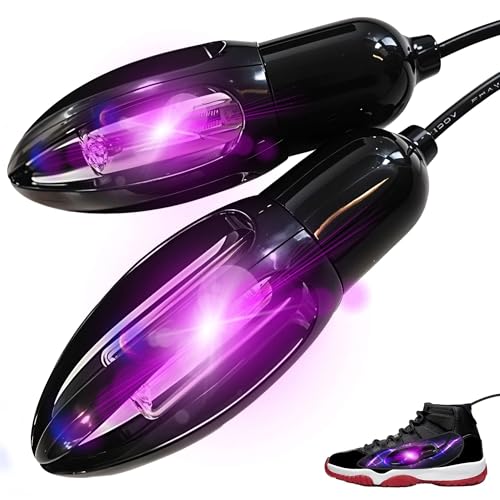
- Electric shoe dryer with UV sterilization
- Shoe deodorizer UV sanitizer device
- Activated charcoal shoe deodorizer inserts
- Clean socks and breathable footwear
- Soap or foot wash with antiseptic properties
- Small brush or cloth for cleaning interiors

Before You Start
Assess the areas that trap moisture: insoles, inner lining, and toe boxes. Allow shoes to fully dry between uses, especially in humid weather. Important cautions include avoiding high heat that could damage materials and using UV sanitizers according to manufacturer instructions. Plan a routine that fits your schedule, typically a 15–30 minute session after workouts or daily wear.
Step-By-Step: How To Rely On Foot and Shoe Odor Solutions
- Shower and wash feet thoroughly, focusing on the areas between toes where moisture collects.
- Dry feet completely with a towel, paying attention to the soles and interdigital spaces.
- Clean the inside of each shoe with a dry brush to remove dust and loose debris.
- Place an activated charcoal shoe deodorizer insert inside each shoe to absorb moisture and neutralize odors.
- Run the electric shoe dryer with UV sterilization to thoroughly dry and sanitize each pair after washing or wearing in damp conditions.
- Use a shoe deodorizer UV sanitizer device to refresh interiors, following the product directions for safe usage.
- Allow shoes to air out in a well-ventilated area, ideally with the UV device prepped or stored away after use.
- Swap in clean socks daily and consider antimicrobial socks for extra odor control.
- Periodically wash insoles (if removable) with soap and water, and replace or refresh them per wear schedule.
- Establish a weekly odor management routine, combining drying, sanitizing, and deodorizing steps.
- Keep footwear in a dry, ventilated space; avoid storing shoes in humid closets or plastic containers.
- Replace inserts or deodorizers as recommended by manufacturers to maintain effectiveness.
Troubleshooting
| Symptom | Likely Cause | Fix | Prevention |
|---|---|---|---|
| Persistent odor after cleaning | Moisture remains inside the shoe | Extend drying time with a shoe dryer; use deodorizer inserts | Dry shoes completely before storing |
| Strong scent after wearing | Insoles absorbed odor | Remove and wash or replace insoles; sanitize interiors | Rotate shoes and air out daily |
| UV device not sanitizing effectively | Inadequate exposure or device settings | Follow manufacturer guidelines for placement and duration | Regularly inspect device and replace bulbs if needed |
| All shoes smell similar | Bacteria buildup in storage area | Clean drawers or closet; use moisture absorbers | Keep footwear separate and dry |
Common Mistakes
- Ignoring moisture and wearing damp shoes repeatedly
- Using only air-drying without any deodorizing products
- Overusing sprays that can irritate skin or damage materials
- Not cleaning removable insoles or failing to sanitize interiors
These missteps can undermine odor-control efforts and extend the time needed for fresh footwear.
Tips For Best Results
- Pair a UV sanitizer with charcoal inserts for layered odor control.
- Train a simple daily routine: wash feet, dry thoroughly, insert charcoal inserts, and run the UV dryer after workouts.
- Store shoes in a well-ventilated area; avoid sealed bins that trap moisture.
- Consider antimicrobial socks for added protection, especially in hot climates or during intense activity.
- Check insoles periodically and replace when they begin to look worn or discolored.
Call A Professional
If persistent foot odor continues despite home treatments, consult a podiatrist. Seek professional advice sooner if you notice skin irritation, rashes, sores, or unusual foot discoloration, which may indicate an underlying medical issue requiring treatment.
FAQ
What causes foot odor to linger even after washing?
Odor-causing bacteria thrive in moist environments inside shoes. Thorough drying and odor-neutralizing products reduce bacterial growth and keep footwear fresh.
Are UV sanitizers safe for shoes?
When used according to manufacturers’ instructions, UV sanitizers can safely reduce microbes inside footwear without harsh chemicals.
How often should I replace shoe inserts?
Replace inserts as recommended by the manufacturer or when they become visibly worn or emit odor again.
Can humidity affect odor control?
Yes. Higher humidity increases moisture and bacterial growth. Use moisture absorbers and maintain dry storage to prevent odor buildup.
Buying Guide
Choosing the right tools for stinky feet and shoes involves balancing effectiveness, ease of use, and space. Consider the following factors:
- Size and fit: Ensure devices fit your shoes, especially in athletic sneakers or boots. Compact models work best for travel.
- Noise level: Some electric dryers and UV devices emit subtle hums. Look for quiet operation if you’ll use them in bedrooms or shared spaces.
- Energy efficiency: Compare energy use, particularly for frequent daily use. Energy-efficient models save on electricity over time.
- Controls: Simple timers and auto shutoff features prevent overuse and protect materials.
- Placement: Place devices in a dry, ventilated area away from direct sunlight. For closets, ensure airflow is not obstructed.
- Maintenance: Check bulb life for UV devices and the durability of charcoal inserts or deodorizer nets.
- Compatibility: Ensure inserts and deodorizers are safe for your shoe materials to avoid discoloration or odor transfer.
- Warranty and support: A solid warranty helps cover replacement parts or devices that fail with regular use.
With the right combination of drying, deodorizing, and proper storage, you can maintain fresh feet and shoes throughout the day. Do you want a compact setup for travel or a robust system for home use? Evaluating these needs will guide you toward a practical, long-lasting solution.
Leave a Reply