How to Get Rid of Sticker Residue on Glass
Sticker residue on glass surfaces is a common nuisance, whether from windows, shower doors, or glass tabletops. This guide provides practical, step-by-step methods using common tools to remove sticky leftovers without scratching the glass. By selecting the right scraper and technique, homeowners can restore a clean, clear surface with minimal effort.
Quick Answer
To remove sticker residue on glass efficiently, start with a gentle plastic scraper or a glass scraper with replaceable blades, then switch to a solvent like rubbing alcohol or a citrus-based cleaner if any residue remains. Repeat as needed and rinse with warm water. For stubborn stickers, apply a small amount of heat to loosen the adhesive before scraping.
What You’ll Need
- Glass scraper with replaceable blades 4 inch for sticker residue on glass
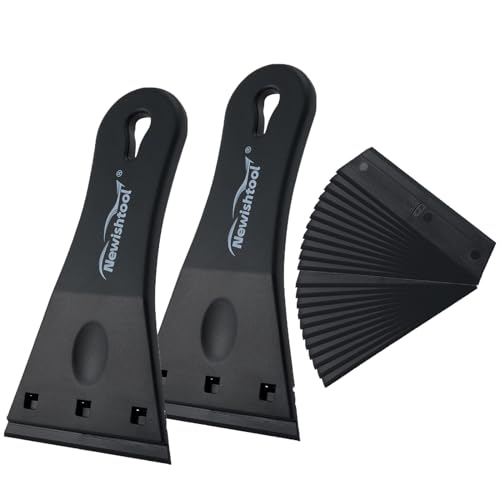
- Plastic scraper for sticker residue on glass 3 inch
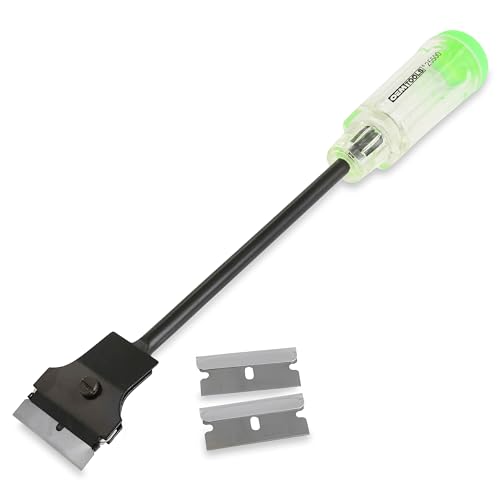
- Utility razor scraper for glass sticker residue 6 inch with handle
- Rubbing alcohol or citrus-based cleaner
- Warm water and dish soap
- Soft microfiber cloths
- Hair dryer or heat gun (optional for tough residue)

Before You Start
Before beginning, ensure the glass is dry and cool. Test any solvent on a hidden area to check for compatibility. Use light pressure when scraping to avoid scratches. If the surface is etched or has a delicate coating, opt for gentler methods first. For safety, wear eye protection and keep cleaners away from children and pets. Anticipate a time range of 10–30 minutes depending on residue severity.
Critical cautions: Do not use metal tools on delicate glass surfaces, and avoid harsh solvents that can damage finishes. If the residue is near a painted or foil-backed surface, limit solvent exposure to prevent damage.
Step-By-Step: How To Remove Sticker Residue From Glass
- Start with the plastic scraper for sticker residue on glass 3 inch or the glass scraper with replaceable blades 4 inch to lift as much adhesive as possible without scratching.
- Use a warm cloth to soften the adhesive for 1–2 minutes; gentle heat can help release glue bonds without harming the glass.
- Hold the scraper at a shallow angle and push slowly forward, keeping the blade flat against the surface to prevent gouges.
- If residue remains, apply a small amount of rubbing alcohol or a citrus-based cleaner directly onto the area and re-scrape with steady pressure.
- Wipe away loosened residue with a microfiber cloth and repeat as needed in overlapping strokes.
- For stubborn spots, switch to the utility razor scraper for glass sticker residue 6 inch with handle and carefully work in small sections, maintaining a light touch.
- Rinse the surface with warm water and a drop of dish soap to remove any remaining cleaner, then dry with a clean cloth.
- Inspect under good lighting and repeat any of the above steps in areas with remaining adhesive.
- Finish with a final wipe to remove streaks, then buff with a dry microfiber cloth for a crystal-clear result.
- If adhesive remains, consider repeating the process or applying a brief blast of heat from a hair dryer before re-scraping.
- Store scrapers safely after use and clean the blades to prevent rust or dulling for future jobs.
Troubleshooting
| Symptom | Likely Cause | Fix | Prevention |
|---|---|---|---|
| Streaks remain after cleaning | Residue buildup from cleaners | Wipe with a clean microfiber cloth and rinse; repeat with a fresh cloth | Rinse thoroughly after each step |
| Adhesive won’t lift with scraper | Adhesive cured or very strong | Apply gentle heat, then re-scrape; switch to a sharper blade if needed | Avoid prolonged exposure to heat to prevent glass damage |
| Glass becomes scratched | Using metal blades or pressing too hard | Switch to plastic scraper and use lighter pressure | Keep blades sharp and replace when dull |
| Residue reappears after cleaning | Sticky film left behind by adhesive | Apply solvent again and scrub in small sections | Avoid leaving cleaner on glass; wipe promptly |
Common Mistakes
- Using heavy pressure or metal tools on delicate glass surfaces
- Relying on a single method when residue is stubborn
- Waiting too long to clean after sticker removal, causing set glue
- Using solvents near edge coatings or painted frames without testing first
Tips For Best Results
- Test any cleaner on a small area before full application to prevent damage.
- Work in small sections to avoid re-hardening adhesive as you proceed.
- Keep blades dry between passes to prevent slipping and scratches.
- Offer a sequence: plastic scraper first, then glass scraper, then razor if needed.
- Use warm, not hot, water to soften residue safely.
Call A Professional
Stop and seek professional help if the glass is tempered, has a fragile coating, or if large areas require removal. Do not attempt aggressive scraping on antique or irreplaceable glass, and contact a glass restoration specialist if you notice microfractures or edge damage.
FAQ
Can I use household vinegar to remove sticker residue on glass?
Vinegar can help in some cases, but it’s less effective on stubborn adhesives; pair it with a plastic scraper and warm water for best results.
Will rubbing alcohol damage etched or frosted glass?
Rubbing alcohol is generally safe, but test on a hidden area first and avoid prolonged exposure on delicate surfaces.
Is a heat gun safe for all glass types?
No. Use only low heat and keep the device moving to avoid glass damage; if in doubt, use a hair dryer instead.
What if the adhesive is on a curved surface?
Work slowly from the edge and use flexible scrapers to maintain contact without gouging the surface.
How do I remove residue from large glass panels?
Divide the panel into sections and work across one section at a time to prevent drying and re-sticking.
Should I seal the glass after residue removal?
Cleaning is typically sufficient; if the glass was exposed to cleaners, wipe completely and dry before use. Sealing is not usually necessary.
Buying Guide
When selecting tools to remove sticker residue on glass, consider size, grip, and blade type. A 4-inch glass scraper with replaceable blades offers precision for tight spots, while a 3-inch plastic scraper provides a gentle touch for delicate edges. A 6-inch utility razor scraper with a comfortable handle helps tackle stubborn residue without fatigue. Look for non-slip handles, corrosion-resistant blades, and ergonomic designs for frequent use. For sensitive glass or frequent maintenance, choose tools with easy blade replacement and protective covers. Always ensure blades are sharp and safe to prevent scratching. Pair tools with a suitable cleaner: simple degreasers, rubbing alcohol, or citrus cleaners work well on most sticky messes. Consider your typical projects—windows, shower doors, or tabletop glass—to balance tool selection with expected workload.
Leave a Reply