How to Get Rid of Squirrels in Car Engine
Squirrels and other small rodents can wreak havoc on a vehicle’s engine bay, chewing wires, nesting materials, and pressing on hoses. This practical guide explains effective, safe methods for removing and deterrence, tailored to American drivers who want reliable, non-destructive solutions. The goal is to protect your vehicle while minimizing risk to animals and the environment.
Quick Answer
First steps: remove any nesting debris, inspect for chewed wiring, and secure the area using deterrents designed for automotive use. For ongoing protection, combine a car engine bay rodent repellent spray with an ultrasonic repeller and an engine bay deterrent mesh kit.
What You’ll Need
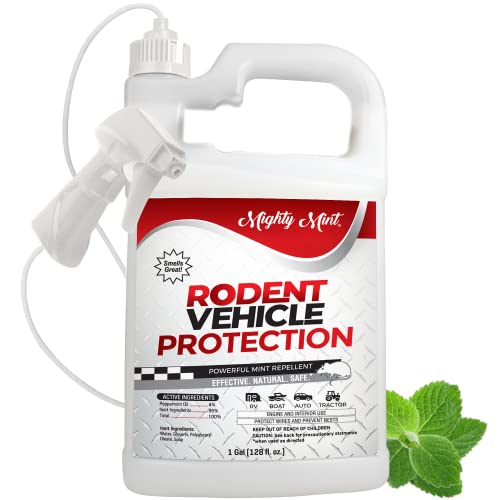
- car engine bay rodent repellent spray for squirrels
- ultrasonic rodent repeller for car engine compartment
- engine bay deterrent mesh kit to prevent squirrel access

Before You Start
Before attempting any removal, park the car away from high-traffic outdoor spaces, start with a cool engine, and wear gloves to reduce scent transfer that could attract more pests. Safety first: disconnect the battery if you see exposed wires or chewed insulation during inspection. Allow time for the engine bay to cool, typically 15–30 minutes, and ensure pets and children are kept away from the vehicle. Plan for a multi-step process over a weekend if needed, and consider professional help if wiring appears damaged or fire risk is suspected.
Step-By-Step: How To Get Rid Of Squirrels In Car Engine
- Initial inspection: open the hood and visually inspect for nests, chewed wires, nesting materials, and droppings. Photograph any damage for insurance or repair records.
- Remove attractants: clear any food scraps or pet treats left near the engine bay. If the animal built a nest, carefully remove it using gloves and dispose of it far from the vehicle.
- Clean the engine compartment: wipe away nesting debris with a damp cloth and use a vacuum to remove loose fibers. Avoid disturbing exposed wiring while cleaning.
- Apply a car engine bay rodent repellent spray for squirrels: follow label directions for safe application around the engine bay, targeting entry points and nesting zones without oversaturation.
- Install ultrasonic rodent repeller for car engine compartment: place the device according to the manufacturer’s guidance, ensuring it has unobstructed lines of sound in the engine area and is powered as required.
- Set up engine bay deterrent mesh kit to prevent squirrel access: install mesh over common entry points such as gaps around the firewall, air intake, and wheel wells. Secure edges firmly to withstand weather and engine heat.
- Monitor entry points: after installation, check for new signs of activity within 1–2 weeks. Look for fresh nests, droppings, or chewed material and adjust placement if needed.
- Reevaluate after rain and seasonal changes: moisture can affect repellents and mesh, so reapply sprays as directed and inspect mesh for rust or loosening screws.
- Perform routine maintenance: during regular car care, inspect the engine bay for new nesting attempts and test ultrasonic devices monthly to confirm operation.
- Document and schedule checks: log dates of inspections and any preventive measures. If signs return, escalate to professional wildlife control or an automotive electrician for wiring assessment.
- Test drive with caution: after a period of deterrence, take a short drive to ensure the engine runs smoothly and no new nests or material are present under the hood.
- Long-term strategy: combine deterrents with periodic garage cleaning and sealing of entry gaps to sustain protection against future intrusion.
Troubleshooting
| Symptom | Likely Cause | Fix | Prevention |
|---|---|---|---|
| Persistent nests inside engine bay | Entry points not fully sealed | Reinstall/adjust deterrent mesh, seal gaps | Regular inspections, annual mesh maintenance |
| Ultrasonic device seems silent | Power issue or device fault | Check power source, replace device if needed | Test monthly, keep spare batteries |
| New chew marks on wires | Active infestation | Call a professional electrician to assess and repair wiring | Reinforce deterrents, limit access |
| Unusual engine noise after purchase | Navigational or nesting debris | Inspect engine bay, clean and restart | Pre-clean before long storage |
Common Mistakes
- Relying on a single deterrent or device; combining methods yields better results.
- Ignoring entry points and gaps that allow access to the engine bay.
- Using household scents or sprays not rated for automotive use, which may damage components.
- Disregarding safety when working around hot engine parts or damaged wiring.
Tips For Best Results
- Coordinate deterrent placement with typical squirrel routes; place devices where pests are most likely to approach the engine bay.
- Seasonal adjustments: rodents are more active in certain seasons; schedule inspections accordingly.
- Maintain a clean garage or parking area; clutter near the vehicle can attract rodents.
- Use a combination approach: repellents for immediate relief, plus mesh barriers for long-term prevention.
Call A Professional
Consider consulting a wildlife control expert or an automotive technician if you notice:
- Wiring damage or signs of bite marks on critical electrical components
- Extensive nesting or repeated intrusions after deterrents are in place
- Unresolved persistent odors or droppings that indicate a larger issue
Stop signs include exposed wires, a burning smell, or visible pests despite DIY efforts. In such cases, professional assessment can prevent fire hazards and ensure wiring integrity.
FAQ
What scent repellent is safe for car engines?
Use a scent-safe, automotive-grade rodent repellent spray designed for engine bays, following label directions to avoid damage to hoses or plastics.
Do ultrasonic devices harm pets or humans?
Most automotive ultrasonic repellers are designed to be safe for humans and pets at typical vehicle usage distances, but follow product instructions and ensure pets are not in close proximity when devices are active.
Can squirrel deterrent mesh damage engine components?
When properly installed, mesh should not interfere with engine operation. Ensure clearance around belts, pulleys, and air intakes is maintained.
How long does it take to see results?
Results vary, but many users notice reduced activity within 1–4 weeks after deploying deterrents and sealing entry points.
Is it necessary to remove existing nests before setting up deterrents?
Yes. Safely remove nests and clean residual debris before applying repellents and installing mesh to minimize renewed attraction.
Should I disconnect the battery during installation?
If there is any risk of wires being chewed or damaged, disconnect the battery and have a professional inspect for safety after work is completed.
Can long-term parking cause recurring infestations?
Yes, prolonged exposure in outdoor areas increases risk. Regular inspections and refreshed deterrents help maintain protection.
What maintenance schedule is recommended?
Check monthly for signs of activity, reapply repellents as directed, and verify mesh integrity at least twice a year.
Buying Guide
When selecting protections to keep squirrels out of a car engine bay, consider key factors such as size compatibility, effectiveness, and ease of installation. A combination approach typically offers the best results, but different setups work for various vehicle types and climates.
Size and fit: Choose engine bay deterrents and mesh kits sized to your vehicle’s make and model. A snug fit reduces gaps where rodents can squeeze through.
Noise and annoyance: Ultrasonic devices should cover the engine bay area without causing nuisance noise in the cabin. Consider devices with adjustable ranges for your vehicle’s layout.
Energy efficiency: Battery-powered devices are convenient, but consider solar or wired options if you park in one place for long periods. Ensure the power solution matches device requirements.
Controls and simplicity: Look for easy installation, clear instructions, and compatibility with standard automotive supplies. Plug-and-play designs speed up setup.
Placement and coverage: Plan a layout that covers likely entry points, including gaps around the firewall and air intake. Mesh should not obstruct airflow or engine cooling.
Durability: Materials must withstand engine heat, moisture, and road debris. Corrosion-resistant mesh and weatherproof repellents provide longer protection.
Maintenance: Choose products with straightforward reapplication intervals and accessible replacement parts to simplify upkeep.
Warranty and support: A solid warranty and responsive customer support help if installation or operation issues arise.
Leave a Reply