How to Stop Squeaky Door Hinges
Squeaky door hinges can be an annoying nuisance in any home. With simple at-home methods and the right tools, most creaks can be silenced quickly. This guide covers practical steps, safety notes, and the best products to use for American households experiencing squeaky hinges.
Whether you prefer a quick spray, a penetrating oil, or a hinge pin removal approach, you’ll find a clear, step-by-step method that fits your situation. The goal is to restore smooth operation without damaging the door or frame.
Quick Answer
For fast relief, spray a dedicated door hinge lubricant, or apply penetrating oil to the hinge pins and pivot points. If the hinge pins stay stubborn, remove them with a hinge pin removal tool kit, clean, lubricate, then reinsert. For stubborn squeaks, repeat the process or repeat with a heavier lubricant on metal-to-metal surfaces.
What You’ll Need
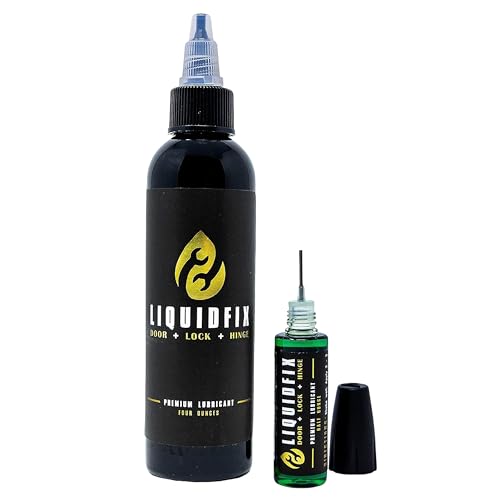
- Squeaky door hinge lubricant spray or penetrating oil for door hinges squeaky hinges
- Hinge pin removal tool kit for door hinges (optional but helpful for heavy squeaks)
- Clean rags or paper towels
- Flathead screwdriver or small pry bar (for pin removal if needed)
- Soap and water or mild degreaser (for cleaning pins and sockets)
- Latex gloves (optional, to keep hands clean)


Before You Start
Assess the hinge area to determine whether the squeak comes from the hinge itself, the frame, or the door rubbing on the strike plate. Protect the floor and nearby surfaces with a cloth or painter’s tape to catch drips. Time estimate: about 15–30 minutes for initial fixes; longer if pins need removal or multiple hinges are involved. Safety note: use oils and sprays in a well-ventilated area and avoid over-saturating wood components, which can cause swelling.
Step-By-Step: How To Stop Squeaky Door Hinges
- Close the door gently and place a wedge behind it to prevent movement during work.
- Identify the squeaky hinge by opening the door slowly and listening closely to each hinge area.
- Access the hinge by removing the hinge cap (if present) with a flathead screwdriver.
- Apply squeaky door hinge lubricant spray along the hinge leaf and pivot point. Use a light mist to avoid drips; allow a moment for the lubricant to seep in.
- Open and close the door several times to work the lubricant into the hinge. Listen for reduced squeak and repeat if needed.
- If the squeak persists, remove the hinge pin with the hinge pin removal tool kit for door hinges. Place the pin on a clean surface and wipe any rust or dirt with a rag.
- Coat the pin and bushing with a thin layer of penetrating oil. Reinsert the pin and stripe any excess oil from the surrounding area.
- Reattach the hinge cap and test the door by opening and shutting smoothly from multiple angles.
- For stubborn cases, repeat lubrication after a few minutes or try a slightly heavier oil designed for metal hinges. Avoid over-lubricating wood parts to prevent staining.
- If multiple hinges squeak, repeat the steps on each hinge, prioritizing the top hinge on the door edge, which often experiences more stress.
- Once silent, wipe away any residual oil with a clean rag to prevent dust buildup.
Troubleshooting
| Symptom | Likely Cause | Fix | Prevention |
|---|---|---|---|
| Squeak returns after a day | Lubricant drained or moved | Reapply lubricant to hinge pins and pivot points | Apply a light, consistent coating and avoid over-application |
| Door rubs against frame | Hinge misalignment or sag | Check screws, tighten unevenly, or adjust hinge alignment | Use longer screws to secure hinges into studs |
| Pin won’t come out easily | Rust or paint on pin | Soak with penetrating oil, gently tap with tool, then remove | Lubricate pins during installation to prevent sticking |
| Oil on floor or carpet | Over-application or drips | Wipe clean and reduce spray amount next time | Place a cloth under hinge during lubrication |
Common Mistakes
- Using excessive lubricant that drips onto wood or carpet
- Assuming all creaks come from hinges; sometimes the strike plate or frame causes noise
- Forcing the hinge pin out without proper support, risking door damage
- Neglecting to re-tighten screws after lubrication, which can loosen over time
Tips For Best Results
- Choose a product suited for metal hinges, preferably a dedicated hinge lubricant spray or penetrating oil designed for hardware.
- Perform maintenance during dry, mild weather to avoid moisture-related swelling in wood.
- Lubricate only the pins and moving parts; do not spray into the door gap where it may attract dust.
- For multiple doors, create a quick maintenance checklist to ensure consistent results across the home.
- If the door feels loose, check the screws securing the hinge to the frame; tight fittings can reduce creaking and improve stability.
Call A Professional
Consider calling a professional if:
- The door shows visible misalignment that cannot be corrected with screws alone.
- The hinge is damaged, bent, or corroded beyond simple lubrication.
- You hear squeaks after attempting all recommended fixes, or the door fails to close properly.
FAQ
What is the best lubricant for squeaky hinges?
A dedicated door hinge lubricant spray or a high-quality penetrating oil works well for most metal hinges on interior doors.
Can I use WD-40 on hinges?
WD-40 can work as a temporary fix, but for long-term results, use a purpose-made hinge lubricant or penetrating oil tailored for hardware.
Should I remove the hinge pin to fix squeaks?
Removing the hinge pin is helpful when buildup or rust prevents smooth movement. Clean, lubricate, and reinsert the pin.
How often should I lubricate hinges?
Lubricate when you hear squeaking or notice resistance. Regular maintenance every 6–12 months can prevent most noises.
Buying Guide
Choosing the right products for silent doors involves considering hinge size, type, and the environment. Look for a door hinge lubricant spray that is easy to apply with minimal mess and compatible with metal hinges. If pins are stuck or corroded, a hinge pin removal tool kit for door hinges can simplify maintenance. In homes with wooden frames or high humidity, a robust penetrating oil for door hinges squeaky hinges may provide longer-lasting relief.
Size and compatibility matter: ensure the lubricant is labeled for door hinges and suitable for metal hardware. Noise levels can guide your choice—sprays often offer quick mitigation for light to moderate squeaks, while penetrating oils handle tougher cases. Consider placement: keep lubrication away from wood finishes and avoid spraying onto carpet or fabric. Controls are typically straightforward—pump spray or drip bottle; choose the form that matches your comfort with DIY projects.
For multi-door homes, buy a small toolkit and a reliable hinge lubricant to cover various hinge styles. If you’re unsure about hinge type or alignment, consult a professional for an evaluation, particularly for exterior doors or heavily used entrances.
Leave a Reply