Natural Ways to Get Rid of Spiders Outside
Spiders outdoors can be a nuisance for homes, gardens, or outdoor living spaces. This guide focuses on practical, natural methods that deter spiders without harsh chemicals. By combining environmental tweaks with targeted repellents, homeowners can reduce spider activity around entry points, yards, and patios.
Understanding why spiders linger outside helps tailor a humane, effective plan. Outdoor spider control often targets food sources, shelter, and access points. The goal is to create an inhospitable environment while preserving beneficial wildlife and keeping family and pets safe.
Quick Answer
Choose a layered approach: apply natural outdoor spider repellents, deploy ultrasonic pest deterrents for yards, and clean up webs and shelter sites. Combine granules for dense areas with a spray for high-traffic zones, and place ultrasonic devices away from dense plant cover for best coverage.
What You’ll Need
To start, assemble tools and products that align with natural outdoor spider control. The items below are commonly used in residential settings and are compatible with a non-toxic, eco-friendly approach.
- Outdoor spider repellent spray with natural ingredients (32 oz)
- Natural spider repellent granules for outdoor use (4 lb)
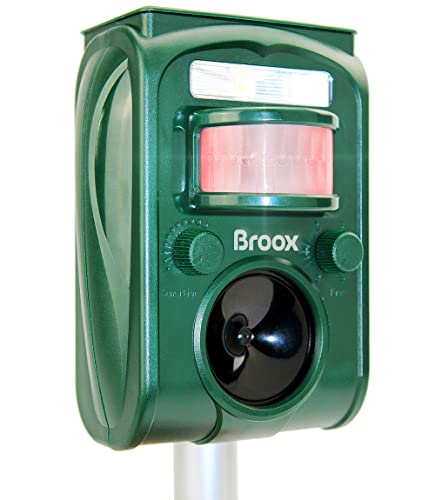
- Outdoor ultrasonic pest repeller for spiders


Before You Start
Assess the area to identify spider hotspots: entryways, corners under eaves, stone walls, and dense vegetation. Clear debris, trim tall grasses, and remove clutter that serves as shelter. Wear gloves and follow label directions for any product use. Plan a weather-friendly window for outdoor applications to maximize effectiveness and minimize wash-off from rain.
Step-By-Step: How To Get Rid Of Spiders Outside Naturally
- Inspect the perimeter to locate spider activity and identify the main shelter areas such as rock piles, wood piles, and dense shrubbery.
- Remove or relocate major attractants like standing water, dense weeds, and insect habitats that spiders rely on for food.
- Apply natural ingredients spray to door thresholds, window frames, and along baseboards where spiders commonly enter or linger.
- Scatter natural spider repellent granules around foundation plant beds, entryways, and under patios to create a continuous barrier.
- Place the outdoor ultrasonic pest repeller for spiders in strategic locations, aiming for unobstructed lines of sound toward lawn edges and garden beds.
- Reapply granules after rainfall and reapply spray after several weeks or as recommended by the label.
- Inspect and refresh outdoor lighting choices, opting for yellow or sodium lights that attract fewer insects, a primary spider food source.
- Maintain a clean edge around planting beds by trimming vegetation and removing web clusters from exposed surfaces.
- Monitor activity for 2–4 weeks, noting any shifts in spider presence and adjusting placements of granules and devices as needed.
- Educate household members about avoiding disturb-and-bring-in behaviors that may disperse webs into living areas.
- Seasonally reseed or prune plants that act as spider highways, reducing continuous pathways for web-building.
- Combine all methods with routine outdoor upkeep to sustain long-term reduction in spider activity.
Troubleshooting
| Symptom | Likely Cause | Fix | Prevention |
|---|---|---|---|
| Spiders resurface after rain | Granules washed away; spray diluted | Reapply as directed after rain; cover with mulch | Create dry, well-ventilated perimeters |
| Ultrasonic device seems ineffective | Obstructed signal or placement | Move away from dense shrubbery; ensure open line of sight | Rotate devices seasonally for coverage |
| Webs near entrances persist | High moisture or food source nearby | Address moisture; reduce insect activity | Trim vegetation and declutter regularly |
| Granules wash away after rain | Incorrect application area or soil type | Reapply in targeted zones; use mulch to hold product | Apply during dry spells |
Common Mistakes
- Overusing one method while ignoring entry points and shelter sites
- Applying repellents directly on edible garden crops or near pet areas
- Neglecting seasonal changes that influence spider activity
Being consistent with an integrated approach yields better results than relying on a single solution. Avoid creating pesticide runoff zones by applying products away from soil where children and pets play.
Tips For Best Results
- Combine multiple barriers: scent-based sprays with physical cleanup and ultrasonic deterrents.
- Target likely pathways: doorways, vents, and under-eave corners where spiders commonly enter.
- Schedule applications during dry conditions to maximize effectiveness and minimize wash-off.
- Use light management strategically; reducing insect activity reduces spider food sources.
- Regularly inspect and refresh both repellents and devices to maintain a robust defense.
Call A Professional
Consider a professional if spider activity is widespread, persistent, or if there is a risk of venomous species nearby. Seek expert help when you notice infestation patterns that do not respond to household measures, or if you suspect structural entry points that require sealing or pest management expertise.
FAQ
Are natural spider repellents safe for pets?
Natural repellents designed for outdoor use are typically formulated to be pet-friendly when used as directed. Always read labels and keep pets away until products dry.
Will ultrasonic deterrents actually work for spiders?
Ultrasonic devices can reduce spider activity in treated zones, but effectiveness varies with placement and environmental factors. Use them as part of a multi-method plan.
How often should I reapply outdoor spray and granules?
Reapply according to product labels, especially after rain or heavy wind. Keep to the recommended intervals for consistent protection.
Can I use these methods around my garden vegetables?
Yes, but follow label directions carefully and avoid applying directly on edible plants. Apply around garden perimeters and non-edible borders as needed.
Buying Guide
When selecting products to manage outdoor spiders naturally, consider size, noise level, and placement flexibility. A comprehensive approach combines three core components: a natural ingredient spray, a granule barrier, and a yard-focused ultrasonic deterrent.
Key buying factors include:
- Size and coverage: Choose sprays and granules that match the square footage of your outdoor space, ensuring thorough dispersion around entry points.
- Noise level: Ultrasonic devices vary in emitted frequencies; pick units with adjustable ranges to suit yard size and plant density.
- Energy efficiency: Look for energy-saving features or solar-powered options for devices that run continuously in outdoor areas.
- Controls: User-friendly application methods and clear label instructions help ensure proper and safe use.
- Placement versatility: Devices and granule dispensers should be easy to position around foundations, patios, and garden beds.
Practical combinations include a 32 oz natural spray for direct targets, a 4 lb granule bag for perimeter protection, and an ultrasonic deterrent placed away from thick vegetation for optimal signal distribution. Consider the layout of your property and plan a phased approach to cover all high-risk zones gradually. If a strong spider presence persists, assess whether structural modifications or professional inspection are warranted.
Leave a Reply