How to Get Rid of Sowbugs in Garden
Sowbugs, often mistaken for pillbugs, can thrive in damp, shaded garden areas. They aren’t pests that feed on healthy plants, but they can damage seedlings and soft roots when populations surge. This guide provides practical, garden-friendly methods to reduce sowbug presence using readily available tools like garden traps, diatomaceous earth, and moisture management. The goal is to minimize damage while keeping a safe, natural approach for American yards.
Quick Answer
Set up a simple outdoor sowbug trap near damp spots, apply diatomaceous earth around affected beds, and monitor soil moisture with a meter. Keep plants off the ground, improve drainage, and inspect mulch layers. Regularly check traps and reapply barrier treatments as needed.
What You’ll Need
- sowbug trap garden outdoor pest trap
- diatomaceous earth for garden pest control 4 lb
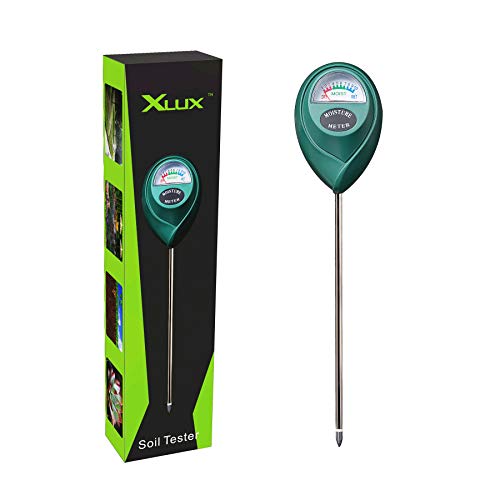
- soil moisture meter for garden damp soil prevention
- gloves and a small hand brush
- mulch management tools (shovel or rake)
- watering can or hose for drainage adjustments


Before You Start
Assessment is key. Identify damp, shaded zones where sowbugs congregate, such as under mulch, around compost, or near downspouts. Create a simple garden map of hot spots to target. Safety note: avoid applying diatomaceous earth on windy days to prevent inhalation; wear a mask if dust levels rise. Plan a time frame of 1–2 weeks for initial reductions, with ongoing maintenance thereafter. If you suspect widespread plant damage or persistent infestations, consider professional guidance.
Step-By-Step: How To Get Rid Of Sowbugs In Garden
- Place a sowbug trap garden outdoor pest trap in the most active damp areas, especially near mulch and under shade. Check daily for activity and collect trapped pests.
- Apply a light dusting of diatomaceous earth for garden pest control 4 lb along bases of affected plants, around the drip line, and in edge borders. Reapply after rain or heavy watering.
- Elevate plants off the soil when possible; use landscape boards or pots with saucers to reduce direct contact with damp soil.
- Improve drainage in spots with standing water by aerating soil and adding organic matter to increase porosity.
- Use a soil moisture meter for garden damp soil prevention to monitor moisture levels. Target evenly moist soil, not soggy conditions.
- Refresh mulch layers to prevent compacted, damp zones. Keep mulch 2–3 inches deep and away from plant stems to reduce breeding grounds.
- Inspect and remove decaying organic material that can attract sowbugs. Compost at a distance from planting beds or manage bin moisture carefully.
- Reposition traps and barriers seasonally to match shifting sowbug activity with weather changes.
- Pair physical controls with cultural methods: remove debris, prune dense foliage, and space plants to improve air circulation.
- Monitor plant health after treatments. If plants show signs of stress, reassess moisture and shelter conditions, and adjust accordingly.
- Document progress on your garden map and adapt strategies as populations rise or fall with weather shifts.
- If infestations persist after 4–6 weeks of integrated steps, consult an extension service or pest professional for tailored guidance.
Troubleshooting
| Symptom | Likely Cause | Fix | Prevention |
|---|---|---|---|
| Many sowbugs observed after rain | Moist soil and sheltering mulch | Improve drainage; reduce mulch thickness | Keep mulch light and off plant crowns |
| Significant plant damage near soil level | Direct feeding on roots or seedlings | Move plants upward; apply barrier near base | Elevate plants and maintain dry root zones |
| Reappearance after initial reduction | New breeding grounds; missed damp spots | Recheck moisture, refresh traps, inspect mulch | Routine moisture checks and habitat management |
| Dusty residue around beds | Diomateous earth drying out | Reapply after rain or irrigation | Targeted, thin applications; avoid overuse |
Common Mistakes
- Overwatering and leaving damp mulch that shelters sowbugs
- Applying diatomaceous earth in heavy, windy areas or during rain
- Relying on a single method instead of an integrated approach
- Ignoring debris and clutter that provide hiding places
- Not updating the placement of traps as the garden changes with the season
Tips For Best Results
- Combine traps with moisture control for faster reductions.
- Keep a garden diary to track which interventions yield results and adjust accordingly.
- Use diatomaceous earth cautiously; avoid inhalation and apply to dry soil conditions.
- Encourage natural predators through diverse plantings, while maintaining garden cleanliness.
- Schedule regular checks, especially after heavy rains or seasonal transitions.
Call A Professional
Seek professional help if sowbug activity remains high after several weeks, or if there is repeated plant loss across beds. Stop signs include widespread root damage, persistent damp zones despite drainage improvements, or signs of other pests complicating the situation. A licensed pest control advisor can offer targeted treatments and habitat remodeling recommendations tailored to your garden’s conditions.
FAQ
What attracts sowbugs to a garden?
Sowbugs are drawn to damp, shaded, and cluttered environments with ample decaying organic matter.
Are sowbugs harmful to healthy plants?
They mainly feed on decaying matter and damaged tissue; they can damage seedlings or very soft roots when populations are high.
Can diatomaceous earth harm my plants?
When applied correctly, it primarily acts as a desiccant on insects; avoid direct contact with foliage and apply in dry conditions.
How often should I check traps?
Check traps daily for the first week, then 2–3 times per week during active seasons.
Is moisture control enough to prevent sowbugs?
Moisture management is key, but combining it with traps and habitat cleanup yields better results.
Can mulch increase sowbug problems?
Yes, thick, damp mulch can shelter sowbugs; maintain a light mulch layer and keep it away from stems.
When should I call a professional?
If damage persists after 4–6 weeks of integrated control or if other pests are involved, contact an expert.
Buying Guide
When selecting tools to manage sowbugs in the garden, consider size, durability, and ease of use. For traps, choose designs that are weather-resistant and easy to deploy near damp zones. In choosing diatomaceous earth, look for a garden-grade product with a fine consistency suitable for outdoor use. A soil moisture meter helps identify irrigation needs and damp spots that harbor sowbugs, so pick a model with clear readings and simple calibration. Placement matters: situate traps along edges of beds with dense mulch, near mulch-to-soil interfaces, and around foundations where moisture pools. For best results, combine these tools with good spacing, proper mulch management, and regular garden maintenance to reduce sowbug habitats without harming plants or beneficial organisms. Are you ready to map damp zones and start a targeted plan that blends trapping, drying, and monitoring for a healthier garden?
Leave a Reply