How to Eliminate Soot Odor From Your Home
Smoke and soot can leave a persistent, unpleasant odor that seeps into furniture, walls, and fabrics. Proper cleaning and odor control are essential to restore a comfortable living environment after a fire or smoke exposure. This guide provides practical steps, recommended tools, and safety tips to remove soot smell effectively from a home in the United States.
Quick Answer
Act quickly to reduce odor and prevent residue from settling deeper. Use a combination of sealing surfaces, cleaning with appropriate tools, and air exchange. For best results, employ products designed for smoke and soot remediation, including HEPA filtration and activated carbon odor control.
What You’ll Need
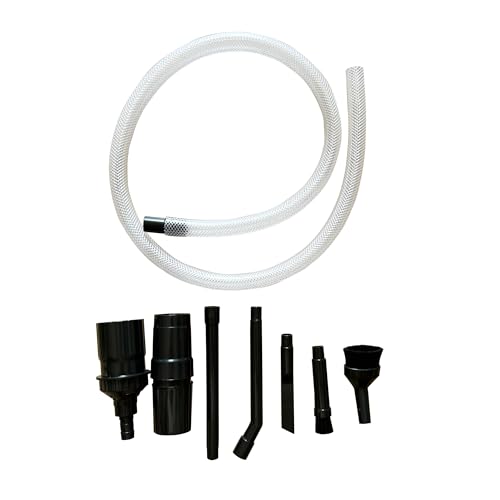
- HEPA vacuum with soot cleaning attachments for smoke damage
- Air purifier with activated carbon filter for smoke odor removal
- Soot cleanup kit microfiber cloths brushes brush attachment vacuum
- Protective gear (gloves, N95 mask, eye protection)
- Household cleaners appropriate for soot (non-abrasive degreasers, trisodium phosphate if needed)


Before You Start
Prepare the space by isolating affected rooms, sealing doors with plastic sheeting, and turning off HVAC to prevent cross-contamination. Ventilate the area by opening windows and using fans to push air outside. Time estimate: 4–12 hours for initial cleanup, depending on the extent of damage. Wear protective gear to avoid inhalation or skin contact with soot particles. Handle porous materials like textiles with care, as soot can cling deeply to fibers.
Step-By-Step: How To Remove Soot Odor And Residue
- Assess the scope of soot impact by inspecting ceilings, walls, floors, and contents. Document items that may need professional restoration or disposal.
- Seal off the area and set up airflow to exhaust smoke odors. Use the air purifier with activated carbon filter for smoke odor removal in the main space.
- Clean hard surfaces with a gentle, non-abrasive cleaner. Start from the top down to prevent re-soiling of lower areas.
- Vacuum surfaces with a HEPA vacuum with soot cleaning attachments for smoke damage to capture fine particles. Use brush attachments on delicate surfaces.
- Address textiles and porous items. Vacuum curtains and upholstery if possible, then consider professional fabric cleaning or replacement for deeply saturated items.
- Deodorize air with repeated filtration cycles. Run the air purifier for continuous removal of odors once large residues are removed.
- Apply sealants to porous walls or ceilings if odors persist after cleaning. Allow proper curing time before repainting to prevent trapping odors.
- Dispose of highly contaminated waste in sealed bags and follow local guidelines for disposal. Reassess odor after 24–72 hours and repeat cleaning if necessary.
Troubleshooting
| Symptom | Likely Cause | Fix | Prevention |
|---|---|---|---|
| Persistent odor after cleaning | Odor molecules trapped in porous materials | Use activated carbon filtration and sealants on porous surfaces | Seal rooms during initial cleanup; replace deeply saturated textiles |
| Smell returns after a few days | Residual soot or odors along HVAC ductwork | Clean ducts if accessible; ensure HVAC is off during initial cleanup | Schedule professional duct cleaning if needed |
| Visible soot on walls | Improper cleaning technique or surface damage | Use proper soot cleaners and non-abrasive cloths; avoid rubbing soot deeper | Test cleaners on a small area first |
| Allergic irritation | Dust exposure during cleanup | Wear PPE; use a HEPA vacuum with sealed bags | Keep cleanup area contained and ventilated |
Common Mistakes
- Skipping personal protective equipment during cleaning, which can cause health issues.
- Using abrasive cleaners that smear soot rather than lift it.
- Moving the cleanup around without sealing off the area, spreading soot to fresh surfaces.
- Relying on air fresheners alone, which mask odors rather than remove them.
Common mistakes can worsen odor and cause lasting residue. Adhering to proper cleaning methods minimizes repeated cleaning cycles and preserves indoor air quality.
Tips For Best Results
- Work in well-ventilated spaces and clean from top to bottom to prevent re-soiling.
- Use a HEPA vacuum with soot cleaning attachments for smoke damage on all hard surfaces and edges.
- Pair cleaning with an air purifier with activated carbon filter for smoke odor removal to continuously scrub the air.
- Test cleaners on inconspicuous areas to avoid damage to paints or finishes.
- Consider professional remediation for large-scale or highly contaminated incidents.
Call A Professional
Call a professional if the affected area is above ceiling height, if there is extensive structural damage, or if odor persists after multiple cleaning cycles. Also seek help for sensitive materials such as electronics, artwork, or valuable fabrics that may require specialized restoration. If anyone has persistent coughing, headaches, or irritation, stop work and consult a professional for a safety assessment.
FAQ
Can I remove soot odor myself?
Yes, with the right tools and step-by-step cleaning, but some cases may require professional remediation.
What products help with smoke odor?
HEPA vacuums, activated carbon air purifiers, and soot-specific cleaners are effective when used correctly.
How long does cleanup take?
Initial cleanup ranges from a few hours to an entire day, depending on the area and materials involved.
Is repainting necessary after soot cleanup?
Sometimes odor remains on porous surfaces; sealing and repainting may be needed to lock in odors.
Should HVAC be turned off during cleanup?
Yes, to prevent spreading soot through the system. Reopen once cleaning is complete and ducts are cleared.
Buying Guide
When choosing gear to tackle soot odor, consider size, noise, energy efficiency, controls, and placement. A HEPA vacuum with soot cleaning attachments for smoke damage pairs well with a capable air purifier with activated carbon filter for smoke odor removal for continuous air treatment. Look for models with sealed motors, reinforced hoses, and high-efficiency filters for maximum effectiveness. For quick, on-the-spot cleaning, a soot cleanup kit microfiber cloths brushes brush attachment vacuum set offers versatility across surfaces. Size your equipment to your space: larger rooms benefit from high-capacity purifiers and vacuums, while smaller areas can rely on compact units. Noise level matters for living spaces; check decibel ratings and consider placement to minimize disruption. Energy efficiency reduces running costs over time, especially when the unit operates for extended periods. Controls should be intuitive, with simple speed settings and filter change indicators. Finally, plan placement for optimal airflow: position purifiers away from walls and in central locations, and place vacuums where you can reach corners and ceilings easily.
Leave a Reply