How to Get Rid of Soil the Right Way
Soil management often involves moving, disposing, or reusing extra soil from a project. This guide offers practical, safe methods to remove soil from a site while keeping the work area clean and compliant with local guidelines. By following clear steps and using the right tools, homeowners can handle soil disposal efficiently.
Whether you’re leveling a yard, excavating a foundation, or tidying up after a garden project, understanding disposal options helps prevent waste and unnecessary costs. This article presents actionable steps, safety notes, and best practices to get soil out of the way with minimal hassle.
Quick Answer
Choose a disposal route based on soil quality and local rules: reuse good soil as fill or topsoil where appropriate, transport to a permitted waste facility if contaminated or large in volume, or screen and separate debris for reuse. Start with planning, then pick the most practical method for your space and budget.
What You’ll Need
- 6 cu ft wheelbarrow for dirt
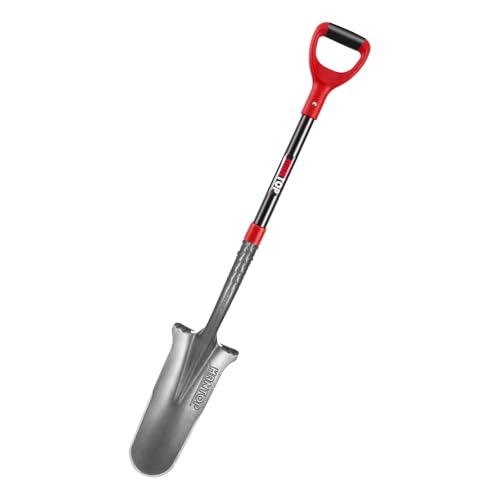
- digging shovel spade for moving soil
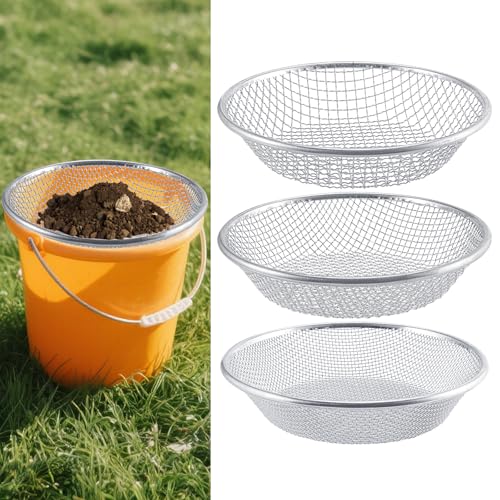
- soil sieve screen garden tool

Before You Start
Assess the soil quality and any contaminants. If the soil contains debris, rocks, or organic matter, plan to separate and recycle usable soil while disposing of waste properly. Obtain any required permits if large quantities are involved, and check local regulations about soil disposal. Time estimate: 2–6 hours for typical residential projects, more for bigger sites. Safety notes include wearing gloves, closed-toe shoes, and safety glasses, and keeping the workspace clear of bystanders.
Step-By-Step: How To Get Rid Of Soil
- Survey the area to determine how much soil needs removal and identify potential disposal options.
- Sort soil from debris using a soil sieve screen garden tool to separate stones, roots, and trash.
- Fill the wheelbarrow with ready soil in manageable batches, ensuring it isn’t overloaded for safe transport.
- Move soil to the chosen disposal site or reuse area, such as a backfill location or garden bed, using a digging shovel spade for efficiency.
- If transferring to a dump or curbside pickup, check local schedules and follow any container or vehicle guidelines.
- Repeat the process until the entire area is clear, keeping pathways uncluttered to prevent trips and falls.
- Where soil is reusable, flatten and level the area to prevent settling and future drainage issues.
- Document any required permits or notifications if disposing of soil at a public facility or dump.
- Clean tools and the work area after completion, and store equipment securely.
Troubleshooting
| Symptom | Likely Cause | Fix | Prevention |
|---|---|---|---|
| Soil is dusty and difficult to move | Loose, dry soil | Water lightly to dampen, then sieve | Keep soil slightly moist during handling |
| Wheelbarrow keeps tipping | Overloaded or uneven load | Load smaller portions; balance weight | Distribute soil evenly; use a wider wheelbarrow if needed |
| Debris in soil blocks lanes | Untreated soil with rocks/roots | Run through soil sieve; remove large pieces | Screen soil during transfer |
| Work area floods after rain | Improper drainage | Grade area for runoff; install gentle slopes | Plan around forecasted weather |
Common Mistakes
- Overloading the wheelbarrow, leading to spills
- Ignoring local disposal rules for soil waste
- Forgetting to sieve soil, causing repeated debris contamination
- Not organizing the work area, resulting in trips or tool loss
Staying organized and following a plan helps minimize setbacks and keeps the project on track.
Tips For Best Results
- Use a soil sieve to separate debris early to improve reuse opportunities.
- Keep a consistent workflow: scoop, transport, unload, and repeat in a loop.
- Label disposal zones if multiple locations are used.
- Protect existing landscaping by laying down tarps or boards to prevent damage during movement.
- Coordinate with neighbors if transporting soil across property lines to avoid complaints.
Call A Professional
Consider contacting a pro if soil disposal involves deep excavation, hazardous material contamination, or large volumes beyond typical residential projects. Stop signs to call a professional include: significant soil contamination, persistent drainage problems after disposal, or failing to obtain required permits. A licensed contractor can assess soil quality, manage disposal responsibly, and ensure compliance with local codes.
FAQ
What is the best way to dispose of large amounts of soil?
Plan disposal routes, check local regulations, and consider renting a dump trailer or hiring a soil removal service for efficiency.
Can I reuse soil that was used for construction?
Only if the soil is free of contaminants and appropriate for the intended use, such as grading or landscaping.
How do I transport soil without making a mess?
Use a sturdy wheelbarrow, keep loads light, and work on stable, clean paths to prevent spills.
Is it okay to compost soil with organic matter?
Yes, if properly managed; mix with other compostable materials and monitor moisture and aeration.
Do I need permits to dispose of soil?
Permit requirements vary by location and project size; check with local officials prior to disposal.
How long does soil disposal typically take?
Most residential projects finish within a few hours to a full day, depending on volume and disposal options.
Buying Guide
Choosing the right tools and approach for soil disposal depends on project needs and site constraints. Consider the following factors to select equipment and methods that fit a typical American yard or home site.
- Size and capacity: A 6 cu ft wheelbarrow for dirt balances capacity with maneuverability on uneven terrain.
- Handling and ergonomics: A digging shovel spade should have a comfortable handle grip and appropriate blade width for moving soil efficiently.
- Soil processing: A soil sieve screen garden tool helps separate debris and improves reuse potential.
- Soil quality: Assess contaminants and plan whether soil can be reused or requires disposal at a permitted facility.
- Noise and emissions: Manual tools reduce noise and emissions compared to powered equipment, aligning with residential-friendly practices.
- Placement options: Clear routes to disposal sites or reuse areas; keep pathways accessible and safe.
- Energy and time factors: Manual tools require physical effort but offer greater control; plan for time accordingly.
- Maintenance: Clean tools after use and store them dry to extend life and prevent rust.
Thinking through these factors helps ensure a smooth process from planning to final cleanup, with fewer surprises and a safer work environment.
Leave a Reply