How to Remove Smokers Teeth Stains and Brighten Your Smile
Smoker’s teeth stains are common and can impact confidence as well as perceived health. This guide outlines practical, evidence-based steps to reduce discoloration and restore a brighter smile. It covers safe at-home approaches, suitable products, and when to seek professional whitening for best results.
Quick Answer
For noticeable improvements, start with a trusted whitening kit designed for smokers, combine with enamel-safe whitening strips, and supplement with an LED light accelerator kit for faster results. Maintain daily brushing, flossing, and routine dental care to prevent future staining.
What You’ll Need
- Teeth whitening kit for smokers
- Smoker teeth whitening strips enamel-safe
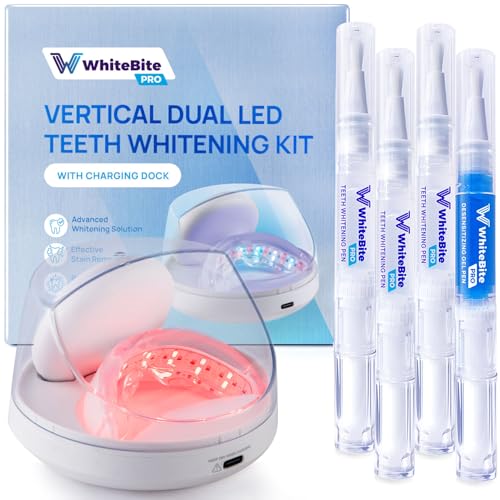
- LED teeth whitening light accelerator kit
- Soft-bristle toothbrush and fluoride toothpaste
- Floss or interdental cleaners
- Alcohol-free mouthwash (optional)
- Smile-safe storage case for whitening trays


Before You Start
Before beginning any whitening routine, consult a dentist if you have sensitive teeth, gum disease, or crowns and fillings that may react differently to bleaching agents. Test a small area first to check for sensitivity, and follow product instructions meticulously to avoid enamel damage. Expect gradual whitening over days to weeks, not hours.
Choose a shade goal that looks natural; over-whitening can create an uneven or unnaturally bright smile. Consider how smoking cessation or reduced smoking will help maintain results over time.
Step-By-Step: How To Remove Smokers Teeth Stains
- Prepare your mouth by brushing gently with a fluoride toothpaste to remove surface debris and improve whitening contact.
- Apply the whitening gel from the smoker-specific kit to the teeth trays, ensuring a thin, even layer.
- Seat the trays and wear them for the duration specified by the product, usually 15–30 minutes. Avoid swallowing gel.
- Rinse with water and gently brush again after removing trays to remove residual gel and prevent irritation.
- Apply smoker teeth whitening strips enamel-safe to targeted areas as directed, typically once daily for a set number of days.
- Use the LED teeth whitening light accelerator kit to enhance whitening if your product supports light activation, following safety guidelines for light exposure duration.
- Maintain whitening with a consistent oral care routine and limit stain-causing foods and drinks between sessions.
- Schedule periodic touch-ups as recommended by the product to sustain results, and reassess with a dentist after several weeks.
- Keep a diary of what works best (products, frequency, and any sensitivity) to tailor future sessions.
- Reevaluate your smoking habit with professional support to protect enamel and extend whitening benefits.
- Dispose of any expired gels or strips and store tools in a clean, dry place to prevent contamination.
- Document progress with careful photos over time to monitor effectiveness and adjust as needed.
Troubleshooting
| Symptom | Likely Cause | Fix | Prevention |
|---|---|---|---|
| Increased tooth sensitivity | Bleaching agents reaching dentin | Shorten wear time, use desensitizing toothpaste | Limit frequency, select enamel-safe formulas |
| Uneven whitening | Uneven enamel or restorations | Focus on natural teeth; consider professional touch-up | Consult dentist for shade-matching |
| Gum irritation | Product contact with gums | Reapply carefully, shorten sessions | Rinse well after use |
| No noticeable results after 2–3 weeks | Heavy staining or product incompatibility | Switch to a different formula or add professional whitening | Follow product guidelines exactly |
| Discoloration on crowns or veneers | Bleaching agents do not affect restorations | Consult a dentist for restoration-safe options | Maintain natural tooth care around restorations |
Common Mistakes
- Over-wearing whitening products beyond recommended times
- Using whitening products on broken teeth or active gum disease
- Mixing multiple whitening products without guidance
- Rushing the process to see quick results
Take a patient, methodical approach to avoid enamel damage or uneven results.
Tips For Best Results
- Pair whitening with a daily routine that includes brushing twice and flossing once daily.
- Limit stain-causing substances such as coffee, tea, red wine, and tobacco during treatment.
- Use a straw for beverages that can stain teeth, and rinse after consumption.
- Keep whitening trays clean and dry when not in use to prevent bacteria growth.
- Consider a post-whitening whitening touch-up schedule to maintain brightness.
Call A Professional
Seek a dentist if you experience severe sensitivity, gum swelling, persistent uneven results, or if you have crowns, veneers, or dental work that colors differently. Stop at-home whitening if you notice any pain, infection signs, or if you are pregnant or nursing.
FAQ
How long should I use smoker-friendly whitening products?
Follow product directions; typical regimens run from 10 to 30 minutes per session for several days to weeks, depending on the formula.
Can whitening remove nicotine stains completely?
Many stains respond well, but deep or old stains and restorations may require professional treatment or replacement of affected restorations.
Are LED whitening lights safe for enamel?
When used as directed, LED accelerators are considered safe for enamel; avoid overuse and protect gums during treatment.
Will whitening affect my dental work?
Bleaching agents do not lighten crowns, veneers, or bonded restorations; discuss options with a dentist for a uniform smile.
Should I quit smoking during whitening?
Quitting or reducing smoking helps maintain results longer and reduces future staining; consult a clinician for guidance.
Buying Guide
Choosing the right whitening tools involves several factors, especially for smokers who face tougher staining. Consider the following when comparing products:
- Size and fit: Trays and strips should fit comfortably and cover all visible teeth without touching gums.
- Whitening agents: Look for hydrogen peroxide-based formulas with enamel-safe concentrations suitable for sensitive users.
- Stain-targeting effectiveness: Some kits are marketed specifically for nicotine and coffee stains; read reviews and testing data.
- Light activation: LED light accelerators can speed whitening, but ensure compatibility with the whitening gel and safe usage.
- Noise and comfort: LED kits vary in brightness and sound; check user feedback for comfort levels.
- Energy efficiency: Reusable components and replaceable gels reduce waste and ongoing costs.
- Controls and indicators: Timers and LED indicators help manage duration and progress.
- Placement considerations: Some devices are designed for upper and lower teeth separately; ensure a secure fit across the arch.
For smokers, a combination approach—using a dedicated smoker teeth whitening kit, enamel-safe strips, and an LED accelerator—often yields the best balance of speed and safety. Always align at-home routines with professional guidance to protect enamel and gums while achieving brighter results.
Leave a Reply