How to Get Rid of Smell of Dog in Heat in Home
The odor associated with a dog in heat can be persistent and challenging to remove from fabrics, carpet, and air. This guide provides practical steps and safe product recommendations tailored to American homes, focusing on enzymatic cleaning, air purification, and steam cleaning to restore freshness.
By following a structured approach, pet owners can reduce odors at the source, improve indoor air quality, and prevent recontamination. The methods balance effectiveness with ease of use, enabling quick cleanups for busy households.
Quick Answer
For immediate relief, start with an enzymatic odor remover on affected fabrics and carpets, run a HEPA air purifier with a carbon filter in the room, and use a carpet steam cleaner with pet odor removal solution to tackle embedded smells. Re-treat high-traffic areas weekly until odors are gone.
What You’ll Need
- Enzymatic pet odor remover spray 32oz carpet upholstery to break down urine and other organic odors at the molecular level
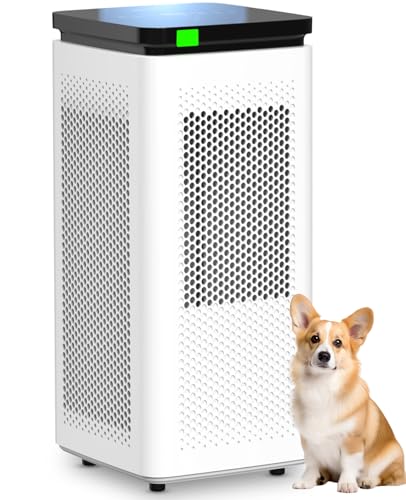
- HEPA air purifier for pet odor carbon filter large room to capture airborne particles and neutralize smells
- Carpet steam cleaner with pet odor removal solution for deep cleaning and extraction


Before You Start
Prepare the space by removing clutter and ensuring good ventilation. Test any cleaner on a small, inconspicuous area of fabric or carpet to avoid discoloration. Schedule odor removal in stages for consistent results, especially if the dog remains in the home. Avoid mixing cleaners or using highly scented products that may irritate a pet’s respiratory system. Expect a multi-step process that may take several hours, plus follow-up cleanings over days or weeks.
Step-By-Step: How To Eliminate The Smell Of A Dog In Heat
- Identify all affected areas, including carpets, upholstery, floors, and bedding.
- Apply enzymatic pet odor remover spray 32oz carpet upholstery to spots where urine or pheromones are suspected; allow it to dwell as recommended by the label.
- Blot excess moisture with paper towels or clean cloths; avoid rubbing, which can spread odors deeper.
- Use a carpet steam cleaner with pet odor removal solution in a thorough pass over carpets and rugs to extract both odors and moisture.
- Place a HEPA air purifier for pet odor carbon filter large room in the affected space and run it continuously to reduce airborne smells.
- Wash removable fabrics, pet bedding, and washable curtains with a product designed for pet odors, following label directions.
- Repeat enzymatic treatments on any persistent spots after drying, especially in high-traffic areas.
- Consider applying a light deodorizing spray after the enzymatic treatment is dry, but avoid introducing new scents that might irritate a sensitive animal.
- Maintain an odor control routine: vacuum regularly, clean surfaces, and replace air filters per manufacturer guidance.
- Monitor the room for signs of lingering odor over several days; if odors persist, repeat the cleaning cycle focusing on the most affected zones.
- Implement ongoing prevention: multiple short cleanings, routine baths or grooming for the dog, and prompt cleanup of any accidents.
Troubleshooting
| Symptom | Likely Cause | Fix | Prevention |
|---|---|---|---|
| Odor persists after cleaning | Deep-seated odor in carpet pad or upholstery | Steam clean again and replace the most contaminated sections if needed | Spot clean promptly; use enzymatic treatments on fresh stains |
| New odors emerge after a day | Residual moisture causing mildew | Increase ventilation and run dehumidification; re-clean affected areas | Dry thoroughly before reassembly |
| Strong chemical smell from cleaners | Overuse of fragrance-heavy products | Switch to enzyme-based and odor-neutral products | Ventilate well during cleaning |
| Air purifier seems ineffective | Filter not replaced or wrong size for room | Check filter type, replace as needed, ensure unit capacity matches room size | Run purifier continuously during odor-prone periods |
Common Mistakes
- Relying on scented sprays alone without addressing the source
- Using ammonia-based cleaners that mimic urine odors
- Overlapping odor treatments that create layering smells
- Neglecting to treat soft surfaces and bedding
- Delaying cleaning after the dog is in heat
Tips For Best Results
- Time treatments to when the dog is resting or out of the room to maximize effectiveness.
- Always test cleaners on hidden fabric areas to prevent discoloration.
- Pair enzymatic cleaners with consistent extraction methods for best odor removal.
- Use a carbon-rich deodorizer alongside the HEPA purifier to target volatile compounds.
- Document zones cleaned and schedule follow-up cleanings to prevent odor rebound.
Call A Professional
If odors persist after multiple cycles of cleaning and the room remains doused in a strong scent, consider consulting a professional carpet cleaner or indoor air specialist. Stop cleaning and seek help if there are signs of mold, persistent dampness, or if the pet shows respiratory distress or irritation from cleaners.
FAQ
What is the most effective method to remove dog in heat odors?
Using a combination of enzymatic cleaners and an air purifier with a carbon filter provides a comprehensive approach to both surface odors and airborne particles.
Can I use household fragrance sprays to mask odors?
Masking sprays do not remove the odor at the source and may irritate pets; enzyme-based cleaners are preferred.
How long does it take to see results?
Results vary, but noticeable improvements often occur within 24–72 hours after treatment, with continued improvements over the next week.
Is it safe to use a carpet steam cleaner around pets?
Yes, when using pet-safe odor removal solutions and allowing surfaces to dry completely before letting the pet reoccupy the space.
Should I replace carpet or padding?
If odor remains after multiple deep cleanings and the padding is saturated, replacement may be necessary for a lasting solution.
Buying Guide
Choosing the right equipment and products depends on room size, fabric types, and odor sources. Consider odor severity, room layout, and maintenance routines when selecting tools.
Key buying factors include size and coverage of the air purifier, the cleaning power and compatibility of the enzymatic remover, and the effectiveness of the carpet cleaning solution. For households with multiple pets or large rooms, a higher-capacity purifier and frequent enzyme treatments may be beneficial.
Size and noise level: Larger rooms may require a purifier with higher CADR; check decibel ratings for quiet operation in living spaces. Energy efficiency matters for continuous use; look for Energy Star or comparable efficiency ratings.
Controls and placement: Simple, intuitive controls help ensure consistent use. Place the purifier to maximize airflow without blocking vents, typically a few feet off the ground and away from walls.
Comparative perspectives: For deep odors in carpets, a steam cleaner with a dedicated pet odor removal solution often yields faster results than spray-only methods. Enzymatic removers are essential for persistent organic stains, while purifiers reduce airborne molecules and smells. Combining all three approaches typically provides the best overall outcome.
Maintenance: Replace carbon filters as recommended, clean upholstery surfaces regularly, and refrigerate or store products per label directions to maintain effectiveness.
Leave a Reply