How to Get Rid of Odor in a Shaker Bottle
Shaker bottles are convenient for mixing drinks, but lingering odors can be frustrating. This guide provides practical, American-friendly steps to remove smells from shaker bottles, using common cleaning tools and odor-fighting methods. Follow these steps to keep your bottle fresh and ready for use.
Quick Answer
For most odors, a combination of thorough cleaning, deodorizing with odor-eliminating tablets, and a dedicated brush routine works best. Soak, scrub, and air dry after each use to prevent odor buildup.
What You’ll Need
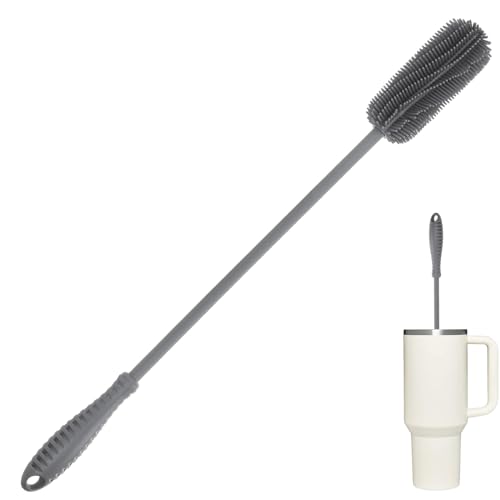
- Stainless steel bottle cleaning brush for shaker bottles with long handle
- Silicone scrub brush for sports shaker bottles with wide mouth
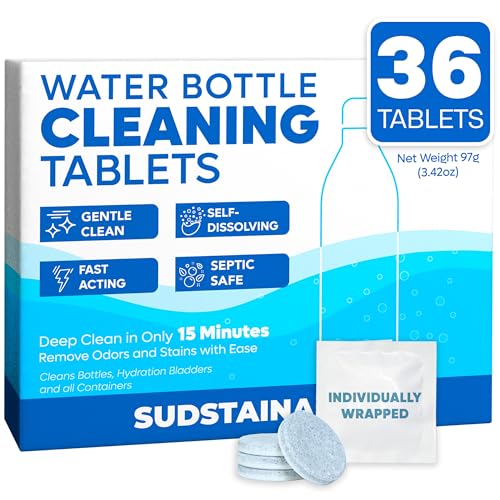
- Odor eliminating cleaning tablets for shaker bottles

Before You Start
Assess the bottle interior for mold or deep staining. If you notice persistent mold, discard the bottle and replace it. Always rinse with warm water before sanitizing, and ensure the bottle is completely dry after cleaning. Avoid harsh chemical fumes near food-contact surfaces.
Estimated time: 20–40 minutes per deep clean session. Regular maintenance can reduce odor buildup significantly.
Step-By-Step: How To Remove Odor From A Shaker Bottle
- Rinse the bottle with warm water immediately after use to remove residual liquids.
- Disassemble all removable parts, including the lid, straw (if present), and seals or gaskets.
- Fill the bottle halfway with warm water and add one odor-eliminating cleaning tablet. Let it fizz for 5–10 minutes.
- Use the stainless steel bottle cleaning brush for shaker bottles with long handle to scrub the interior walls and hard-to-reach areas. Pay attention to seams and the lid housing.
- For stubborn odors, create a paste with a small amount of baking soda and water, then scrub the interior with the silicone scrub brush for sports shaker bottles with wide mouth.
- Rinse thoroughly with warm water until all cleaning residue is gone. Submerge the lid and seals and scrub gently.
- Air dry all parts completely in a dish rack or on a clean towel. Leave the bottle disassembled until every piece is dry to prevent odor return.
- If odors persist, repeat the tablet soak and scrub cycle, or run a hot water rinse with a splash of vinegar (1:4 vinegar to water) for a quick refresh, then rinse well.
- Reassemble once fully dry and store with the cap slightly ajar to promote airflow.
- Incorporate a post-workout routine: rinse immediately, clean weekly with tablets, and deep-clean monthly for best results.
Troubleshooting
| Symptom | Likely Cause | Fix | Prevention |
|---|---|---|---|
| Persistent sour smell after cleaning | Residue in seals or hard-to-reach areas | Extend scrub time, use long-handled brush on gaskets, and run a second tablet soak | Rinse promptly and dry completely after each use |
| Musty odor even after washing | Shaker bottle is not fully dry | Air-dry parts separately; avoid storing with caps on | Keep in a well-ventilated area |
| Off-taste from cleaning agents | Rinse not thorough | Rinse multiple times; run one final clean with plain water | Rinse immediately after each cleaning cycle |
| Stubborn stains inside bottle | Deep-set pigment or mineral buildup | Vinegar soak (short), then scrub with brush | Regular cleaning to prevent buildup |
Common Mistakes To Avoid
- Skipping thorough drying after cleaning, which invites mildew and odor
- Using abrasive tools that scratch plastic or the interior coating
- Overfilling with cleaning tablets; follow manufacturer guidance for tablet use
- Leaving seals and gaskets damp for long periods
Tips For Best Results
- Clean immediately after workouts to prevent odor setting in
- Use a dedicated brush set to reach crevices around the lid and gasket
- Rotate cleaning methods: tablet soak, baking soda paste, and heat rinse as needed
- Airing out bottles in the sun briefly can help deodorize—avoid prolonged sun exposure on certain plastics
- Label a maintenance day each week to stay consistent with cleaning routine
Call A Professional
Seek professional help if the bottle shows persistent mold growth, cracks, or if odors return despite repeated cleaning. Replace any bottle that has compromised seals or discolored interiors, as bacteria can harbor in damaged areas.
FAQ
What causes shaker bottle odors to linger?
Residual liquids and mineral buildup can absorb odors; inadequate drying also promotes lingering smells.
Can I use bleach to deodorize a shaker bottle?
Bleach can degrade plastics; avoid it unless the manufacturer approves and follow strict dilution guidelines.
How often should I deep-clean a shaker bottle?
Deep-clean every 1–2 weeks if used daily; more often if you notice odor buildup.
Are odor-eliminating tablets safe for all shaker bottles?
Most are formulated for plastic and stainless interiors; check the product label for compatibility with your bottle material.
Buying Guide
Choosing the right accessories and methods to keep shaker bottles odor-free involves several factors. Consider size and mouth width to determine the appropriate cleaning tools, especially brushes designed for tight seams. Noise level and energy efficiency apply mainly to dishwashing setups or powered cleaning aids—manual cleaning remains the standard. Controls and placement relate to how you schedule and store bottles after cleaning. A practical setup includes dedicated cleaning brushes, odor-eliminating tablets, and a drying rack placed in a well-ventilated area. When comparing options, look for brushes that reach deep into the cap and gasket channels, and choose odor eliminators that are safe for your bottle material. A simple, repeatable routine yields the best long-term freshness, especially for users who rely on shaker bottles daily. If you prefer fewer tools, the combination of a long-handle bottle brush, a silicone scrub brush, and odor tablets provides a comprehensive solution without overcomplicating the process.
Leave a Reply